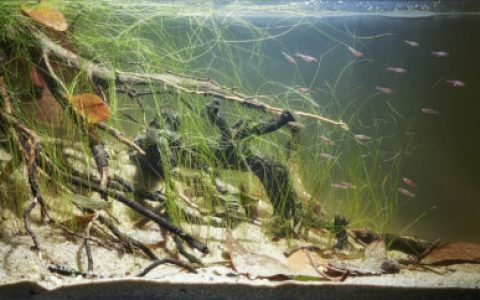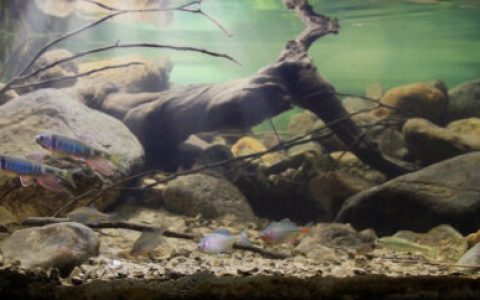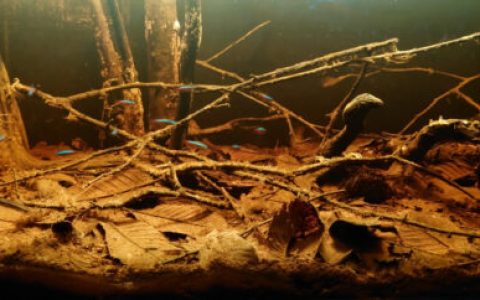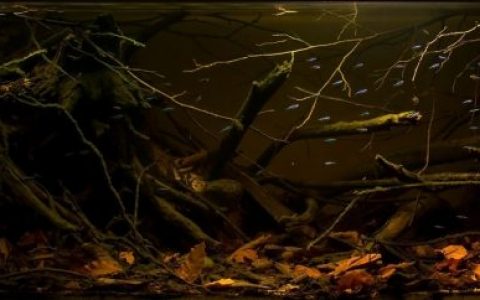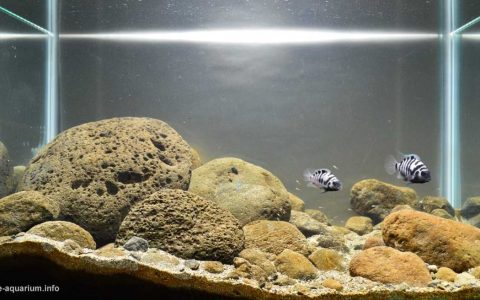
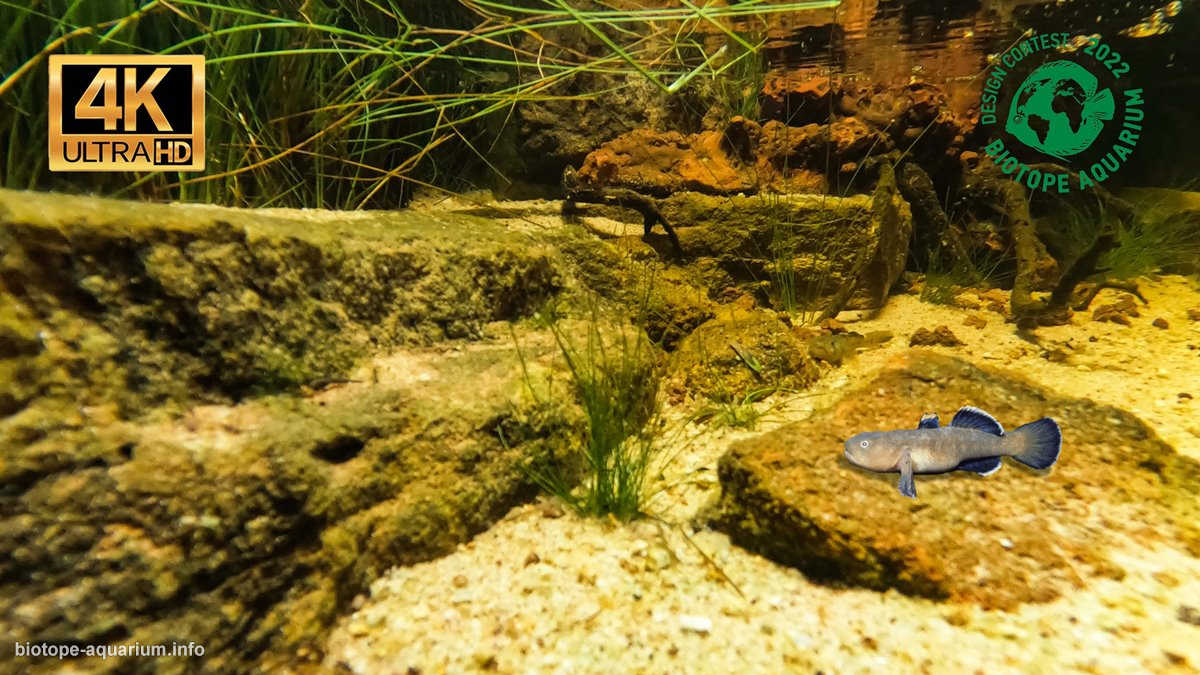
Volume of aquarium: 126 litres
水族箱容量:126 升
Dimensions of aquarium: 100 x 42 x 30 cm
水族箱尺寸:100 x 42 x 30 厘米
List of fishes: Chlamydogobius eremius
鱼类列表:沙漠虾虎鱼(Chlamydogobius eremius)
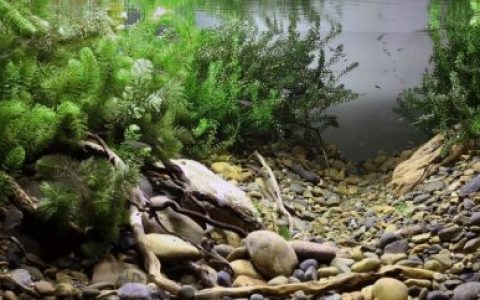
List of plants: Carex appressa, Ficinia nodosa, Eleocharis acuta.
植物列表:Carex appressa(莎草)、Ficinia nodosa(结节蓑衣草)、Eleacharis acuta(锐刺荸荠)
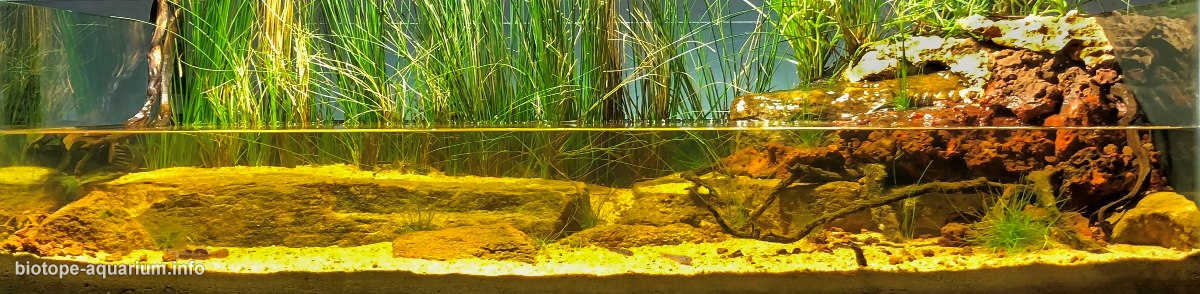
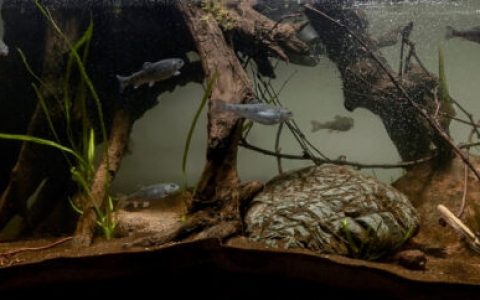
Description of Decorations and Substrate: Natural coarse river sand hand collected, Sandstone rock, Natural root collected, spring is made from man made ceramic to look like a build up of mineral rock build up from where the bore water comes out of the ground.
装饰与底床描述:天然粗河沙(手工采集)、砂岩岩石、天然树根(手工采集)。泉眼由人造陶瓷制成,模拟自流井水涌出地面时形成的矿物岩堆积结构。
Description of Equipment: Aqua One Aquis 1200 Canister Filter, Aqua One StripGlo Plant LED Light 120cm, aquarium made by me.
设备描述:Aqua One Aquis 1200 滤筒过滤器、Aqua One StripGlo 植物 LED 灯(120 厘米),水族箱由本人自制。
Water Parameters: Temperature: A value between 20 – 28 °C seems best for general care. pH: 7.0 – 8.5 Hardness: 90 – 357 ppm
水质参数:温度:20–28°C 之间最适合一般养护。pH 值:7.0–8.5 硬度:90–357 ppm
Additional Info: I do a water change once a week with aged water collected from a holding tank that has coral pieces added, no heating or chilling is required as these fish are very tough.
补充信息:我每周换水一次,使用从装有珊瑚碎片的储水罐中收集的陈水,无需加热或冷却,因为这些鱼非常耐养。
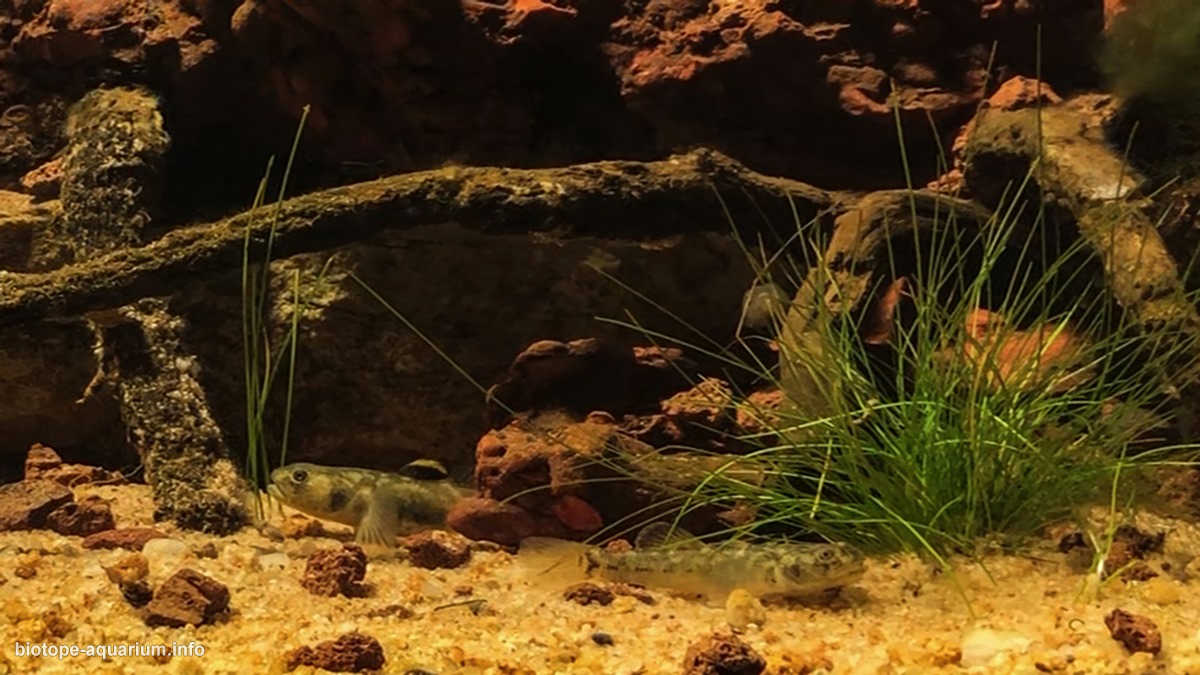
Description of the Area Surrounding the Biotope: Coward springs is a man made bore, The South Australian government completed a 400 feet (120 metres) borehole in 1886,[6] from which water from the Great Artesian Basin rose 15 feet (4.6 metres) above ground. The salty water corroded the bore head and casing, flowing uncontrolled to form a large pool and, by the 1920s, a wetland, in the dry gibber plain.
生物群落周边区域描述:考沃德泉是一个人工开凿的钻孔。1886 年,南澳大利亚政府完成了一个 400 英尺(120 米)深的钻孔,[6] 大自流盆地的水从该钻孔涌出,高出地面 15 英尺(4.6 米)。含盐的水腐蚀了钻孔头和套管,水流不受控制地涌出,形成了一个大水池,到 20 世纪 20 年代,在干燥的吉伯平原上形成了一片湿地。
The wetland created its own dynamics as an oasis providing water and food, shelter and breeding areas for a wide range of wildlife. As of 2008, the site was recorded as hosting 99 plant species, 126 bird species and numerous small native mammals, reptiles, aquatic and terrestrial invertebrates.
这片湿地作为绿洲形成了自身的动态系统,为众多野生动物提供水源、食物、庇护所和繁殖区域。截至 2008 年,该地记录有 99 种植物、126 种鸟类,以及大量小型本土哺乳动物、爬行动物、水生和陆生无脊椎动物。
The name refers to a nearby mound spring, situated on the Oodnadatta Track adjacent to the Wabma Kadarbu Mound Springs Conservation Park. The site is within the locality of Stuarts Creek, 236 km (147 mi) from Coober Pedy and 216 km (134 mi) from Coober Pedy.
该名称源自附近一处泉丘,位于乌德纳达塔小径旁,毗邻瓦布马·卡达布泉丘保护公园。该地属于斯图尔特溪区域,距离库伯佩迪 236 公里(147 英里),距离库伯佩迪 216 公里(134 英里)。
The fish and aquatic animals have made their way from the Lake Ayre Basin and have made the bore drain their home.
鱼类和水生动物从艾尔盆地迁徙至此,并将这片钻孔排水渠当作了自己的家园。
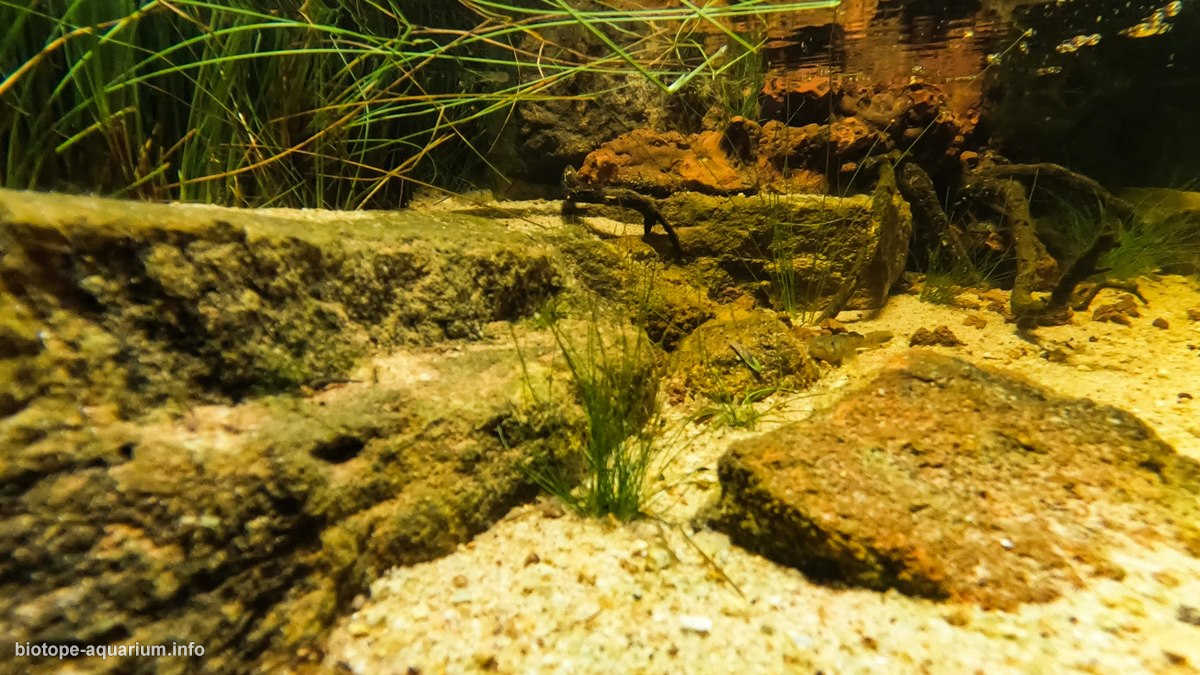
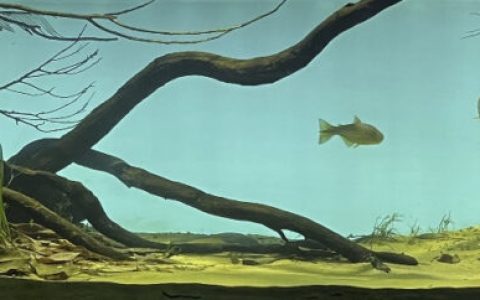
Description of the Underwater Landscape of the Biotope: The habitat where the Desert Goby lives can range from shallow flowing trickles of water to larger size water bodies or pools, the bore drain is located in gibber desert named after the red Gibber stone that is scatted across the landscape, it also consists of salt and mineral lowland flats called flood plains that take on a white look in the dryer periods from the sedimentary salt and gypsum, the drains themselves can be nice and clear and lined with sedges and algae with a good water flow, there is also sediment rock that looks a lot like sand stone ridges that have been cut away from the water flow, the sand in most parts has a yellow look to it mixed with some rock, where the water comes out of the ground there is a build up of minerals and almost has the look of coral, once it is weathered it can be stained a light to dark brown.
生物群落水下景观描述:沙漠虾虎鱼的栖息地范围广泛,从浅层流动的细流到较大型的水体或水塘均有分布。排水渠位于以遍布景观的红色吉伯石命名的吉伯沙漠中,还包含被称为洪泛平原的盐碱低地——在干旱期,沉积盐和石膏使这些平原呈现白色外观。排水渠本身水质清澈,水流充沛,两岸生长着莎草和藻类。水中可见沉积岩层,其形态酷似被水流切割过的砂岩脊。大部分区域的沙粒呈黄色,混杂着岩石碎块。当地下水涌出地表时,矿物质会逐渐堆积,形成类似珊瑚的构造,经风化后会被染成浅棕至深褐色。
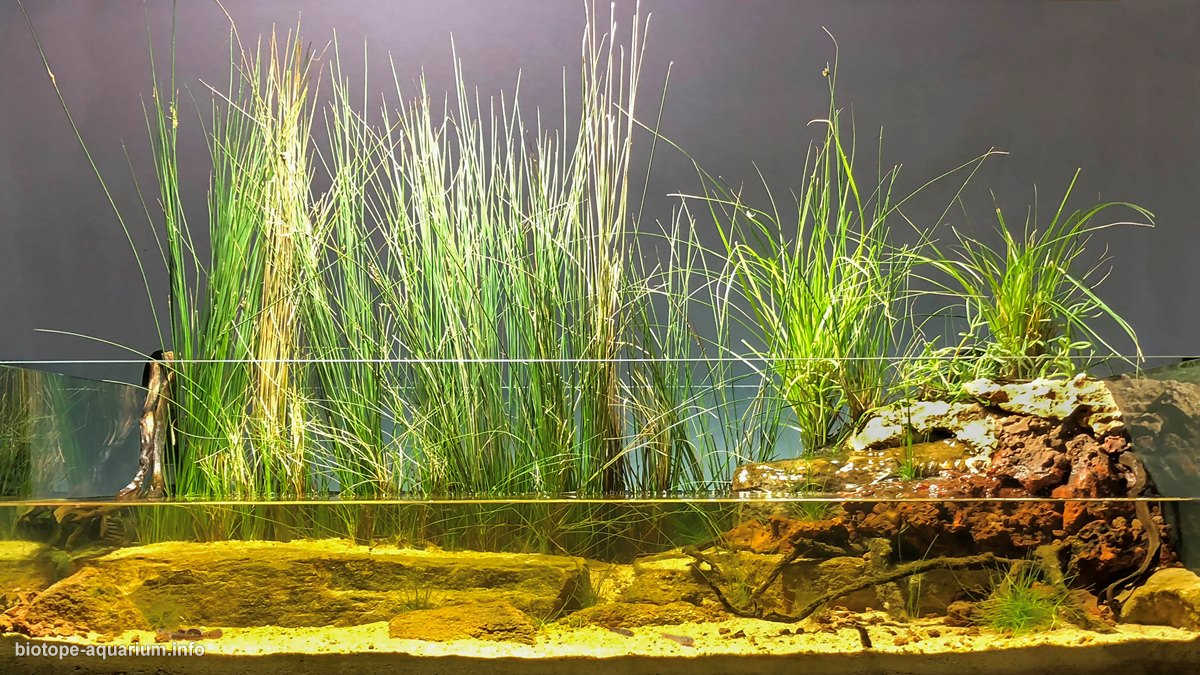
Description of the Habitat Parameters: There are extreme variations in temperature and water (5-41°C/41-105-. 8°F), pH (6.5-11.0), salinity (1-37.5 ppy) and dissolved oxygen (down to 0.8 ppm O2). Depending on the time of the year and whether it is dry or wet season which can be pretty rare in this part of the country, it may rain only once every 5 years.
栖息地参数描述:该区域存在极端的环境变化,温度范围 5-41°C(41-105.8°F),pH 值 6.5-11.0,盐度 1-37.5 ppt,溶解氧低至 0.8 ppm O₂。具体数值取决于季节及旱季或雨季——在这片区域,雨季极为罕见,可能每五年才降雨一次。
List of Fishes and Invertebrates Occurring in the Nature Biotope: This species uses a resistance strategy, with air-breathing and broad physiological tolerances that allow populations to re- main in marginal habitats not suitable for other larger fish, there are shrimp, aquatic snails and other invertebrates but their names are unknown to me and some may not yet be described.
自然生物群落中出现的鱼类与无脊椎动物列表:该物种采用抗逆生存策略,通过呼吸空气和广泛的生理耐受性,使其种群得以栖息于其他大型鱼类无法生存的边缘栖息地。该区域存在虾类、水生蜗牛及其他无脊椎动物,但具体物种名称尚不明确,部分可能尚未被科学描述。
List of Plants Found in the Nature Biotope: These plant may be found in this biotope, Juncus pallidus, Baumea arthrophylla, Eleocharis acuta, Carex tereticaulis, Sarcocornia quinqueflora, Baumea juncea, Ficinia nodosa, Distichlis distichophylla, Eleocharis acuta.
自然生物群落中发现的植物列表:该生物群落中可能出现的植物包括:苍白灯心草(Juncus pallidus)、节茎沼草(Baumea arthrophylla)、锐叶荸荠(Eleocharis acuta)、圆秆薹草(Carex tereticaulis)、五花盐角草(Sarcocornia quinqueflora)、灯心草状沼草(Baumea juncea)、结节蓑衣草(Ficinia nodosa)、二列滨麦(Distichlis distichophylla)、锐叶荸荠(Eleocharis acuta)。
Some plants may still not be described.
部分植物可能尚未被科学描述。
Threats to the Ecology of the Biotope: Coward Springs was “rescued” by an ambitious couple in 1991. Prue Collis and Greg Emmett purchased the square mile of government-owned land and set to work.
生物群落生态面临的威胁:1991 年,一对雄心勃勃的夫妇普露·科利斯和格雷格·埃米特“拯救”了考沃德泉。他们购下这片一平方英里的政府土地,并着手进行改造。
They restored buildings, planted native trees, preserved the wetland generated by the artesian spring and established a campground. Coward Springs Campground is now a popular camping spot for travellers on the Oodnadatta Track in South Australia.
他们修复了建筑,种植了本土树木,保护了自流泉形成的湿地,并建立了一个露营地。如今,考沃德泉露营地已成为南澳大利亚乌德纳达塔小径上旅行者喜爱的热门露营地点。
The South Australian Government sold parcels of land along the Old Ghan route in the early 1990s. The railway line had closed, so the government had no further use for the land on which stations and sidings had been built. Most were bought by surrounding landholders and became grazing country.
20 世纪 90 年代初,南澳大利亚政府出售了老甘恩铁路沿线的一些地块。由于铁路线已关闭,政府不再需要这些建有车站和侧线的土地。大部分地块被周边土地所有者购得,变成了牧场。
Prue and Greg had other ideas. By preserving the square mile, just a tiny piece of this country is now back to some semblance of what it once was.
而普露和格雷格却有不同想法。通过保护这一平方英里的土地,这片区域的一小部分如今已恢复了几分往昔的模样。
So the fish are safe in this area for now.
所以目前这片区域的鱼类是安全的。
本文部分素材来自网络,如有类似请联系修改,如若转载,请注明出处:http://www.yangyubang.com/?p=3964