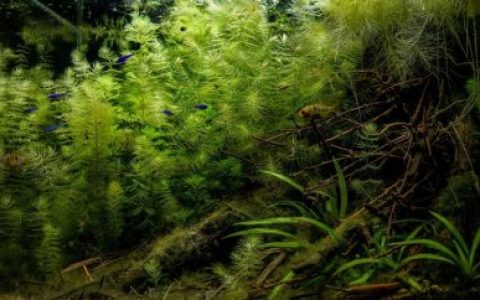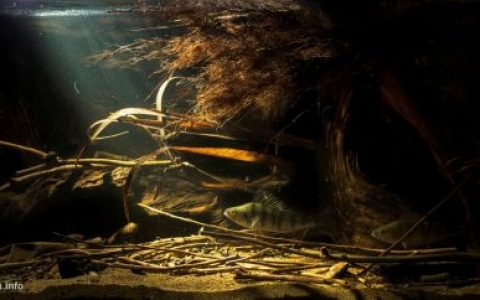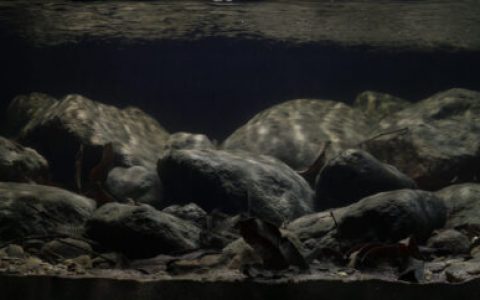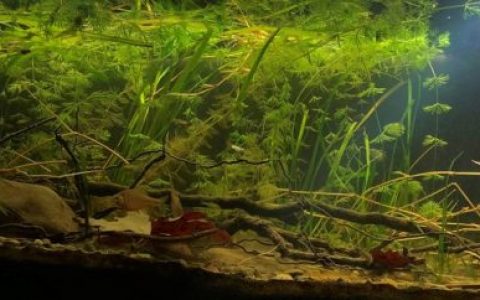
Volume: 330 L 水体容积:330 升
Dimensions: 120x55x50 cm 尺寸:120x55x50 厘米
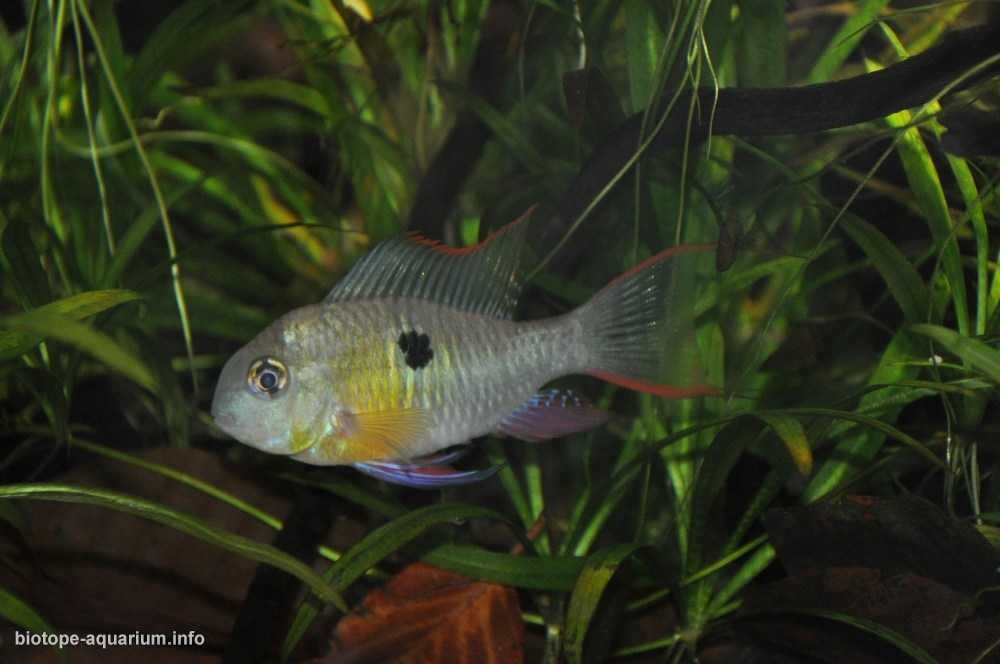
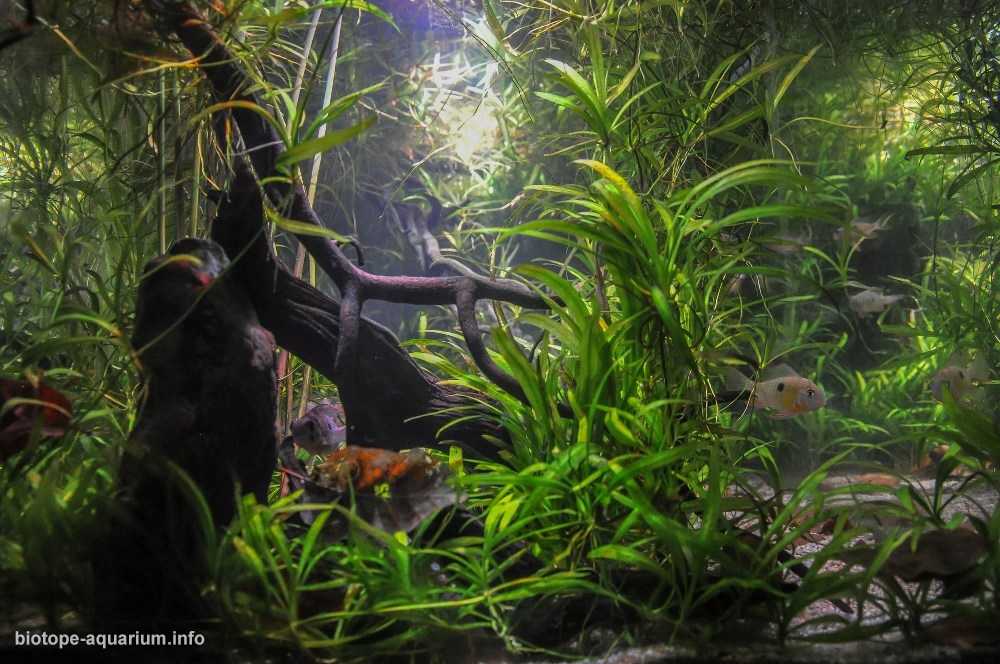
List of fishes: Microgeophagus altispinosa, Megalamphodus megalopterus
鱼类名录:高棘小珠母丽鱼(Microgeophagus altispinosa)、大翅魮脂鲤(Megalamphodus megalopterus)
List of plants: Helanthium bolivianum v. quatricostatus, Pistia stratiotes, Cyperus sp.
植物名录:玻利维亚四肋剑叶草(Helanthium bolivianum v. quatricostatus)、大薸(Pistia stratiotes)、莎草属(Cyperus sp.)
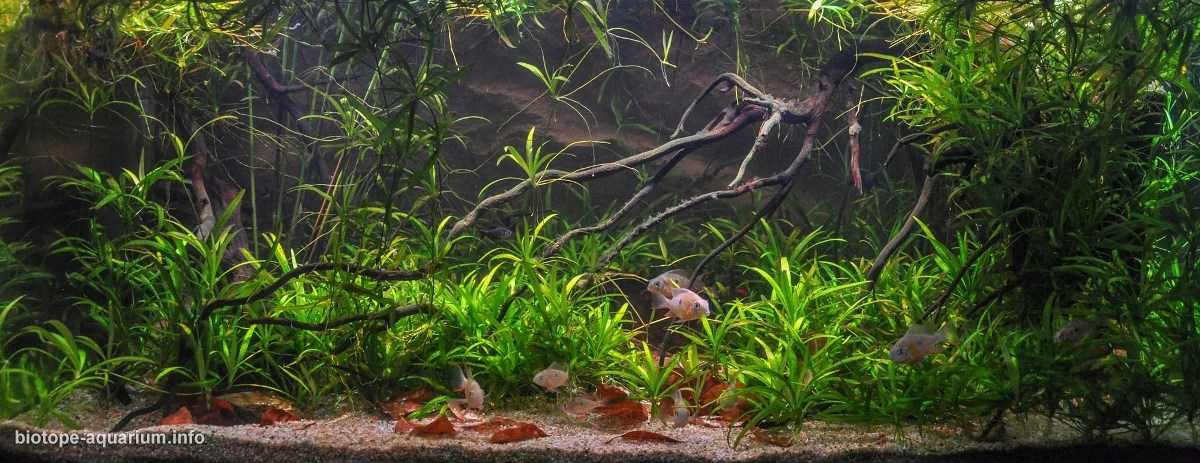
Description of decorations: 1-2 mm sand, rocks of the river, roots and branches, dried leaves.
装饰描述:1-2 毫米细沙、河石、树根与树枝、枯叶。
Description of equipment: Background: 3d Homemade. Lighting: led lamp. Filtration: Eheim 224+ internal filter 800l/h.
设备描述:背景:3D 自制背景。照明:LED 灯。过滤:伊罕(Eheim)224+ 内置过滤器,流量 800 升/小时。
Water parameters: Temp: 24 deg. Celssius; pH 6,3; GH 2; TDS=30
水质参数:温度:24 摄氏度;pH 6.3;GH 2;TDS=30
INFORMATION ABOUT BIOTOPE
关于生物群落的信息
Description of the area surrounding the biotope: Guaporé River (Portuguese: Rio Guaporé) is a river in western Brazil and northeastern Bolivia. Its Bolivian name is Río Iténez. It is 1,530 km (950 mi) long; 970 km (600 mi) of the river forms the border between Brazil and Bolivia. The Guaporé River is part of the Madeira River basin, which eventually empties into the Amazon River. The Guaporé River crosses the eastern part of the Beni savanna region.It forms the border of the 615,771 hectares (1,521,600 acres) Guaporé Biological Reserve, and is fed by rivers originating in the reserve, the São Miguel, Branco, São Simão, Massaco and Colorado. Unlike other rivers in the Madeira system it’s a “clearwater” right bank tributary to the Rio Mamore and drains the eastern Bolivian lowlands and southern Brazilian Shield. It originates in the Mato Grosso Plateau, Brazil and therefore variety of flora and fauna is similar to those found in the Pantanal wetlands region. Extensive areas of seasonally flooded forests and savannas, swamps, marshes, and shallow, flat-bottomed lakes creates a unique ecosystem with variety of specialized habitats. Whole area is extremely rich in flora and fauna species. Literature says there is about 600+ different fish species in Itenez drainage. Some people call Rio Guapore the most rich river in aquatic plants all over the South America.
生物群落周边区域描述:瓜波雷河(葡萄牙语:Rio Guaporé)是位于巴西西部和玻利维亚东北部的一条河流。其在玻利维亚的名称为伊特内斯河(Río Iténez)。该河全长 1,530 公里(950 英里),其中 970 公里(600 英里)构成巴西与玻利维亚的边界。瓜波雷河属于马代拉河流域,最终汇入亚马逊河。该河流经贝尼稀树草原地区的东部。它构成了面积达 615,771 公顷(1,521,600 英亩)的瓜波雷生物保护区的边界,并由发源于该保护区的圣米格尔河、布兰科河、圣西蒙河、马萨科河和科罗拉多河等支流补给。与马代拉水系中的其他河流不同,它是一条“清水”型右岸支流,注入马莫雷河(Rio Mamore),排水范围涵盖玻利维亚东部低地和巴西南部地盾。该河发源于巴西的马托格罗索高原,因此其动植物种类与潘塔纳尔湿地地区相似。大面积的季节性泛滥森林和稀树草原、沼泽、湿地以及浅平底湖泊共同塑造了一个拥有多种特化生境的独特生态系统。 整个区域拥有极其丰富的动植物物种。文献记载,伊特内斯河流域约有 600 多种不同的鱼类。有人称瓜波雷河是南美洲水生植物最丰富的河流。
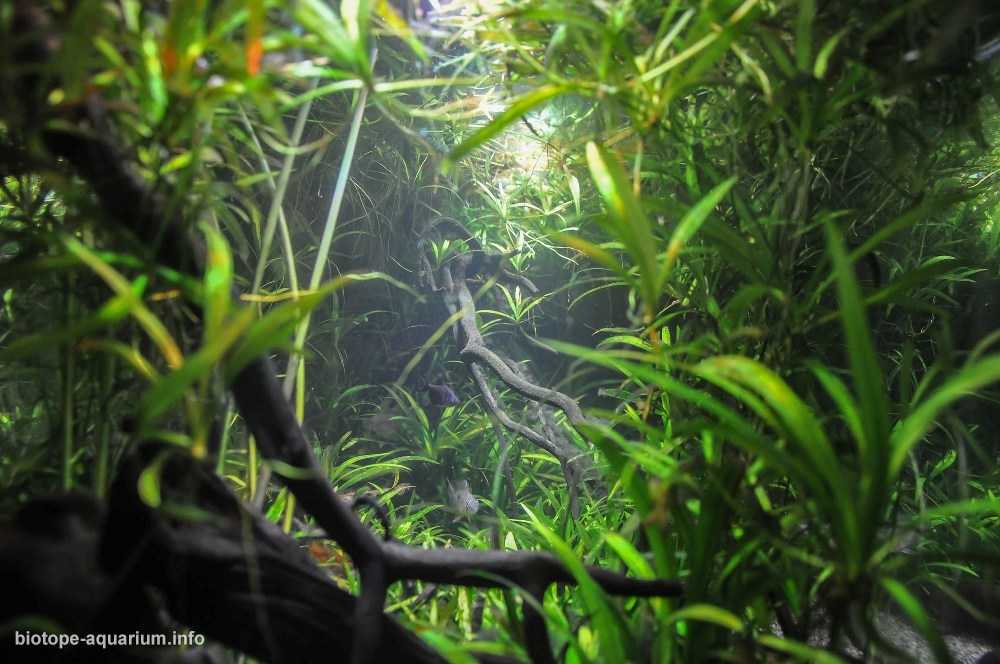
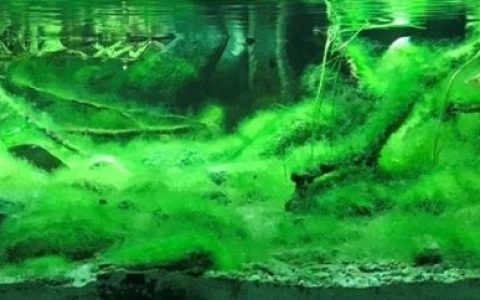
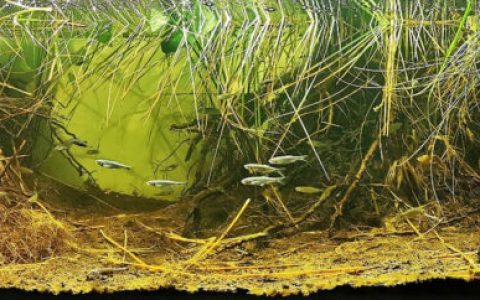
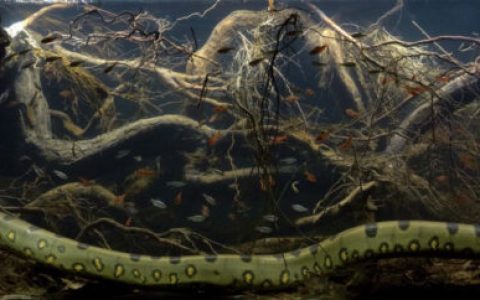
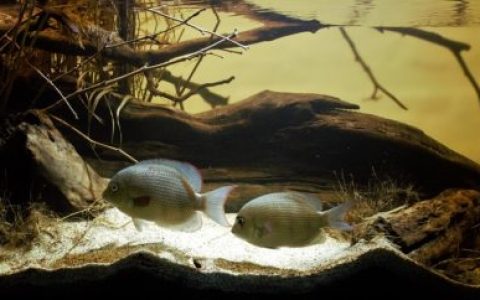
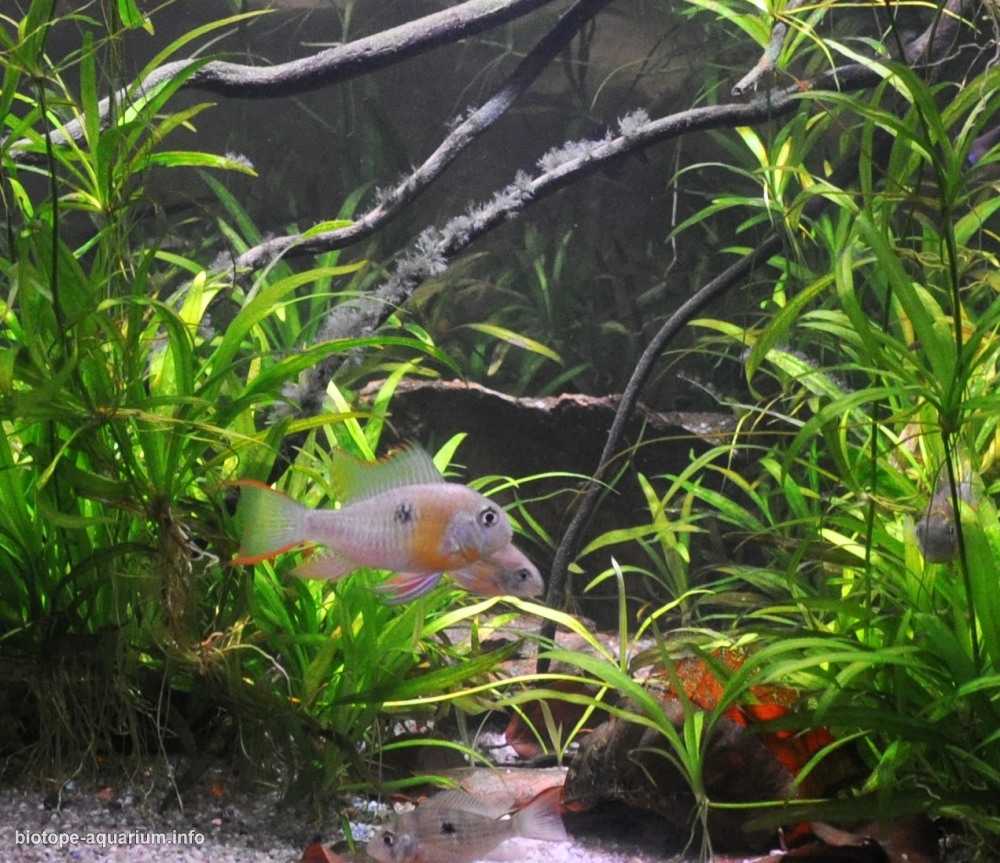
Description of the underwater landscape of the biotope: The biotope specified in the aquarium has a shallow edge, with a water level of approx. 50cm. This type of coastal area is full of submerged aquatic plants during the rainy season, and partially or totally emerged when the rains do not fall. The slow movement of water in the oxbow area, where the flow has been stronger in the past, and the roots of inlaid trees occur, creates a perfect microhabitat for small species groups. The thick layer of dead leaves, twigs and bark gives hidden spots and varieties of food sources for these species. This area is also covered with Cyperus sp on the shore, then with Echinodorus such as Echinodorus Quatricostatus, so it is well-shaded and therefore creates a safe environment for small fish, the Hyphessobrycon Group, while looking for food, it moves to the front of the roots in the area with brighter light, which provides perfect conditions for the Helanthium species to grow densely. At the bottom the specimens of Microgeophhagus altispinosus dispute their territories.
生物群落的水下景观描述:该水族箱所模拟的生物群落具有浅水边缘,水深约 50 厘米。此类沿岸区域在雨季时布满沉水植物,而在无雨时期则部分或完全露出水面。牛轭湖区域水流缓慢(此处过去水流较强),加之嵌入树木的根系,为小型鱼类群体创造了理想的微生境。厚厚的枯叶、细枝和树皮层为这些物种提供了隐蔽场所和多样的食物来源。岸边覆盖着莎草属(Cyperus sp.)植物,随后是诸如四肋皇冠草(Echinodorus quadricostatus)等皇冠草属植物,因此该区域遮荫良好,为小型鱼类(如霓虹脂鲤类群)营造出安全的环境;它们在觅食时会移动至光线较亮处的树根前方,而这恰好为剑叶冠草属(Helanthium)物种的茂密生长提供了理想条件。在水底,玻利维亚凤凰(Microgeophagus altispinosus)个体正在争夺各自的领地。
Description of the parameters of the habitat: Water parameters varies depends of specific habitat, but water is almost crystal clear (small amount of tannins occur in the forest areas), soft and slightly acidic with parameters: pH 6,0-6,8; hardness 1 ºdH; electrical conductivity 5-20 µS/cm (to 100µS/cm in the seasonally almost drying lakes and oxbows), temperature 22-28 ºC.
栖息地参数描述:水质参数因具体栖息地而异,但水体几乎清澈透明(森林区域含有少量单宁),质地柔软且呈弱酸性,具体参数为:pH 6.0–6.8;硬度 1 ºdH;电导率 5–20 µS/cm(在季节性近乎干涸的湖泊和牛轭湖中可达 100 µS/cm);温度 22–28 ºC。
List of fishes and invertebrates occurring in the nature biotope: Aphyocharax sp., Hemigrammus sp., Gymnocorymbus sp., Hyphessobrycon sp., Corydoras sp., Otocinclus sp., Apistogramma sp. and many more.
自然生物群落中出现的鱼类和无脊椎动物名录:Aphyocharax sp.、Hemigrammus sp.、Gymnocorymbus sp.、Hyphessobrycon sp.、Corydoras sp.、Otocinclus sp.、Apistogramma sp. 以及许多其他物种。
List of plants found in the nature biotope: Eichhornia azurea, Echinodorus sp. (many species), Ludwigia sp., Cabomba furcata, Myriophyllum sp., Hydrocotyle leucocephala, Egeria najas, Salvinia auriculata, Pistia stratiotis,Cyperus sp. and many more depends of water mark during high and low water levels.
自然生物群落中发现的植物名录:凤眼蓝(Eichhornia azurea)、皇冠草属(Echinodorus sp.,多种)、丁香蓼属(Ludwigia sp.)、叉叶狐尾藻(Cabomba furcata)、狐尾藻属(Myriophyllum sp.)、白水草(Hydrocotyle leucocephala)、巴西伊乐藻(Egeria najas)、槐叶萍(Salvinia auriculata)、大薸(Pistia stratiotis)、莎草属(Cyperus sp.)等,具体种类随高水位和低水位期间的水线变化而有所不同。
本文部分素材来自网络,如有类似请联系修改,如若转载,请注明出处:http://www.yangyubang.com/?p=3137