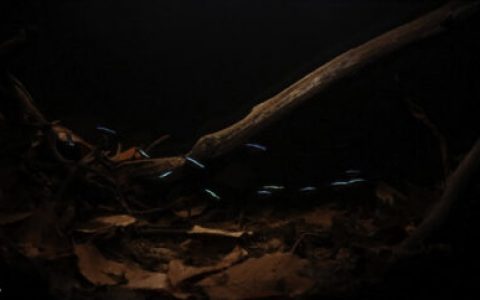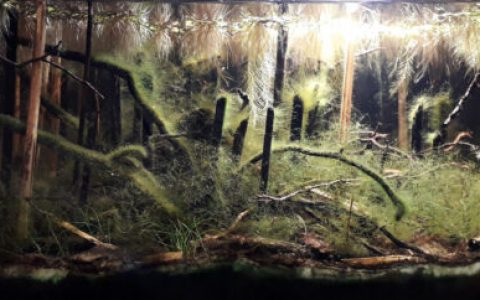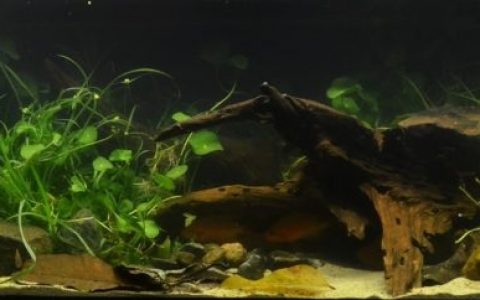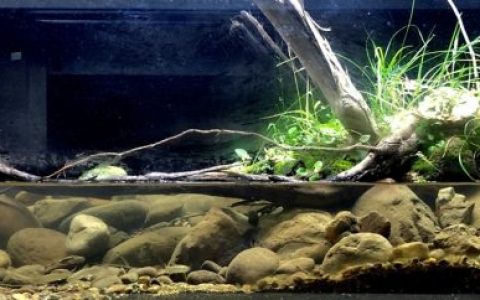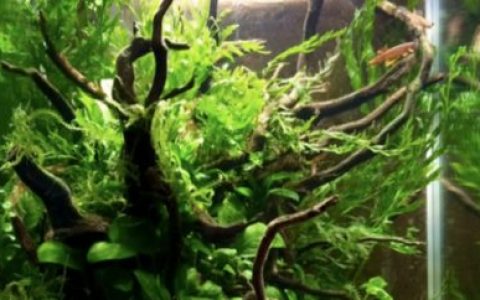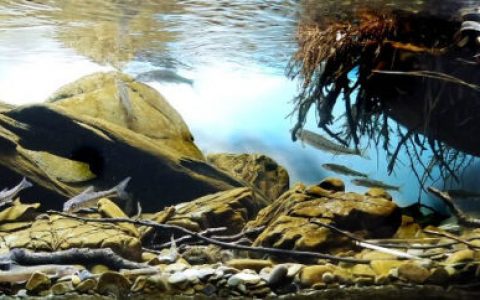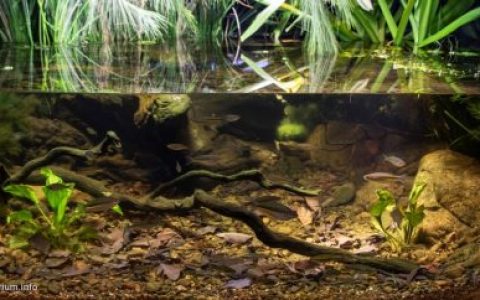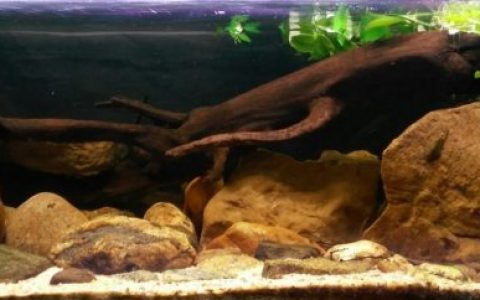
olume of aquarium: 500 liters
水族箱容积:500 升
Dimensions of aquarium: Length 130cm x Width 55cm x Height 70cm
水族箱尺寸:长 130 厘米 × 宽 55 厘米 × 高 70 厘米
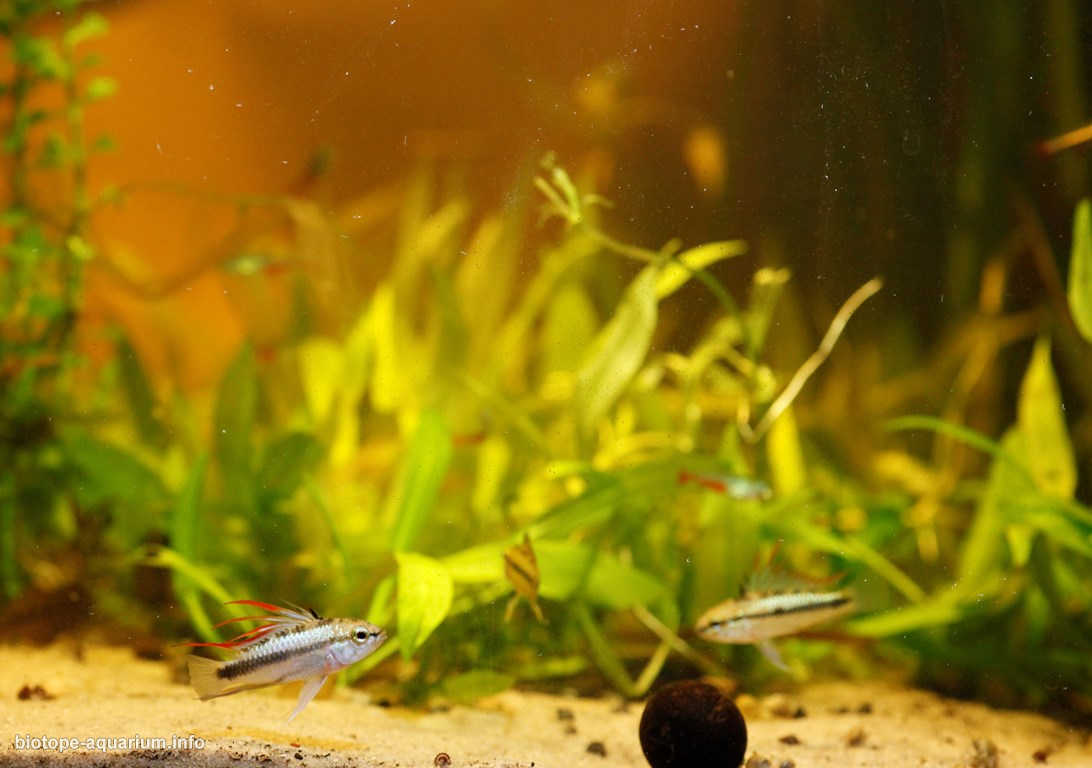
List of fishes: 42 x Aphyocharax rathbuni. Found in the broader region of Matto Grosso. In the expedition of Dr. Stefan K. Hetz to Bolivia they were found in Los Lagos lkes complex and specifically in Laguna Larga.
鱼类名录:42 尾 Aphyocharax rathbuni。该鱼分布于马托格罗索(Matto Grosso)广大区域。在 Stefan K. Hetz 博士对玻利维亚的考察中,它们被发现于洛斯湖群(Los Lagos lakes complex),具体位于拉古纳拉尔加(Laguna Larga)。10 x Nannostomus trifasciatus
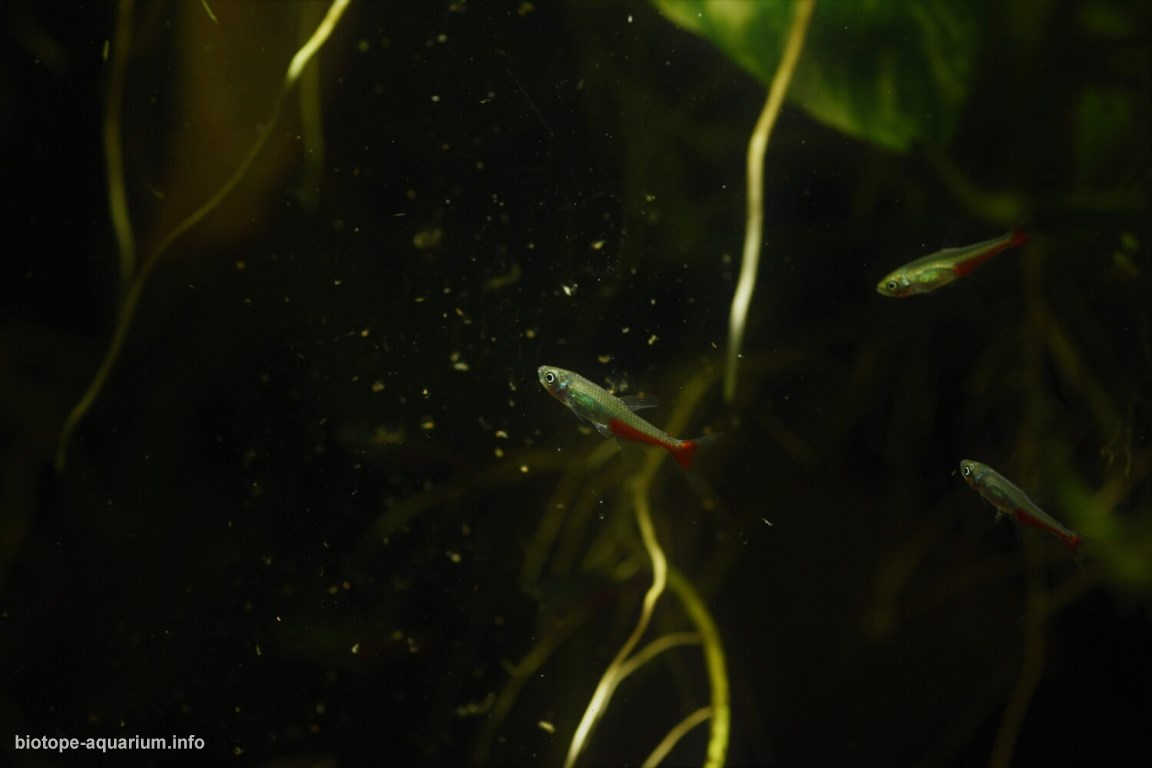
10 尾 Nannostomus trifasciatus
Found in the broader region of Matto Grosso. In the expedition of Dr. Stefan K. Hetz to Bolivia they were found in Los Lagos lkes complex and specifically in Laguna Larga.
发现于马托格罗索的更广泛区域。在斯特凡·K·赫茨博士对玻利维亚的考察中,它们被发现于洛斯拉戈斯湖泊群,具体位于拉古纳拉尔加湖。
12 x Carnegiella marthae
12 条卡氏斧头鱼(Carnegiella marthae)
According to Fish base there was a documented occurrence 10 kilometers south of Costa Marques (approximately 6 kilometers from the Los Lagos lakes complex) in isolated ponds, or other drying up bodies of water therefore its extremely likely to appear in Laguna Larga as well.
根据 FishBase 的记录,在科斯塔马尔克斯以南 10 公里(距洛斯拉戈斯湖泊群约 6 公里)的孤立池塘或其他干涸水体中曾有 documented 出现记录,因此它们极有可能也出现在拉古纳拉尔加湖。
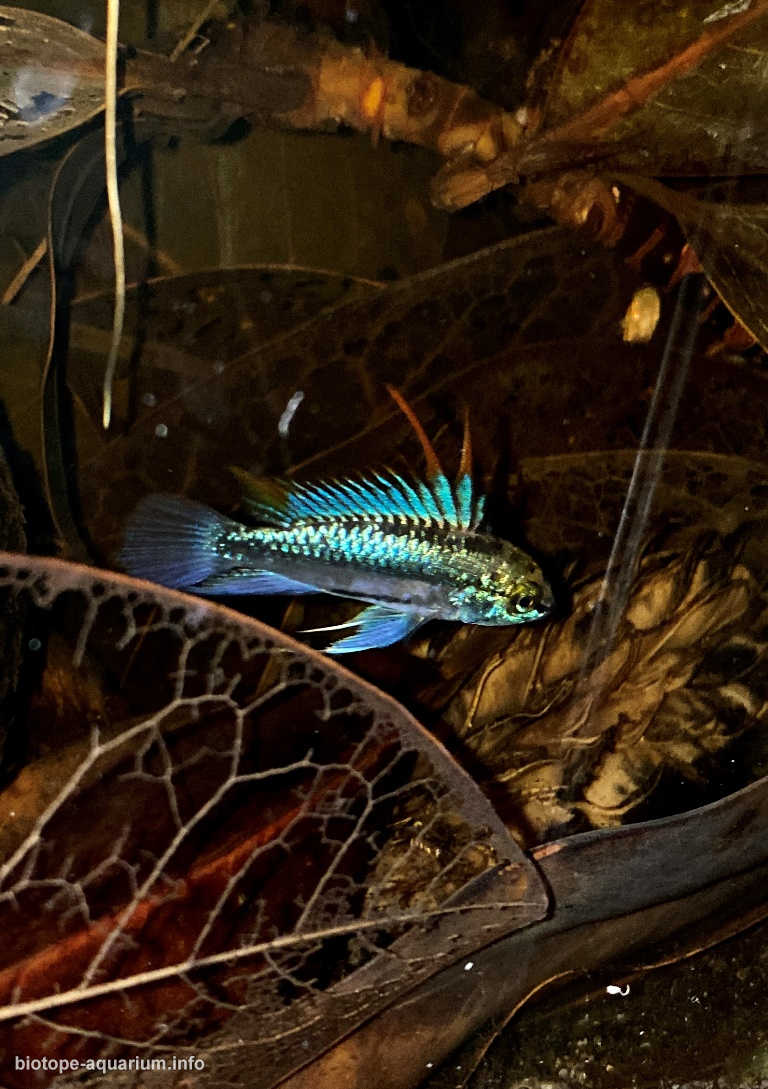
5 x Apistogramma trifasciata
5 条三线短鲷(Apistogramma trifasciata)
Found in the broader region of Matto Grosso. In the expedition of Dr. Stefan K. Hetz to Bolivia they were found in Los Lagos lkes complex and specifically in Laguna Larga.
发现于马托格罗索的更广泛区域。在斯特凡·K·赫茨博士对玻利维亚的考察中,它们被发现于洛斯湖群,具体位于拉古纳拉尔加湖。
List of plants: Philodendron, fern (overhanging vegetation)
植物名录:喜林芋、蕨类(悬垂植被)
Helanthium bolivianum, Bacopa monnieri, Cabomba aquatica, Ceratophyllum demersum, Sagittaria subulata, Limnobium laevigatum, Salvinia natans, Water hyacinth, All the plants are found in the Los Lagos lakes complex in Bolivia according to sources found in the references section.
玻利维亚剑叶冠、圆叶节节菜、水蕴草、金鱼藻、针叶皇冠、光滑浮萍、槐叶萍、凤眼莲。根据参考文献部分所列资料,所有上述植物均分布于玻利维亚的洛斯湖群。
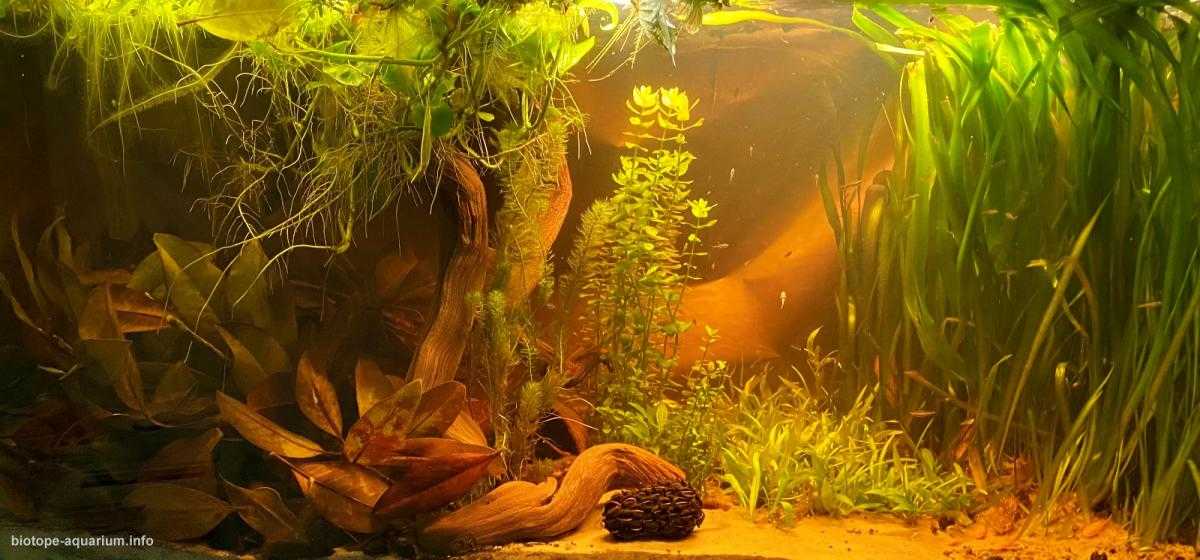
Description of Decorations and Substrate: Driftwood and roots in shape and color similar to those found in the natural biotope. It was collected from the forest, not identified. Botanicals: A whole branch of Magnolia with leaves. Also 3 x Magnolia pods and 3 other different types of pods (bolsa pod, Chapeuzinho pod and cocoa pods). The pods that originate from those trees grow in the area and it’s a common occurrence that the pods and seeds end up in the lakes/ streams.
装饰与底床描述:沉木与树根在形态和色泽上均模拟原生生物群落中的自然样貌,采自森林但未鉴定具体种类。植物性装饰物包括一整枝带叶的木兰枝,另配有 3 个木兰果荚以及 3 种其他类型的果荚(博尔萨果荚、小帽果荚和可可果荚)。这些树木生长于该区域,其果荚与种子落入湖泊或溪流中是常见现象。
Description of Equipment: Filter is an Eheim 2080 filled with 6,5L of Siporax. Heater is a titanium sheggo 600watt which is connected to an STC – 1000. Lighting: A simple LED which measures 120cm and is 6000 kelvin.
设备描述:过滤器为伊罕 2080,填充了 6.5 升 Siporax 滤材。加热器为钛合金 Sheggo 600 瓦,连接至 STC-1000 温控器。照明:一盏简单的 LED 灯,长度 120 厘米,色温 6000 开尔文。
Water Parameters: pH 6.6, TDS 157 μS
水质参数:pH 6.6,TDS 157 μS。
Temperature varies from 26.5°C in the day to 24°C in the night.
温度在白天为 26.5°C,夜间降至 24°C。
dkH: 3, gH:6 dKH:3,gH:6
Additional Info: Water clarity: Clear with little particles from the fallen branch
附加信息:水体透明度:清澈,含有少量来自沉木的微粒
Additional info: 20% Water Change every 10 days
附加信息:每 10 天换水 20%
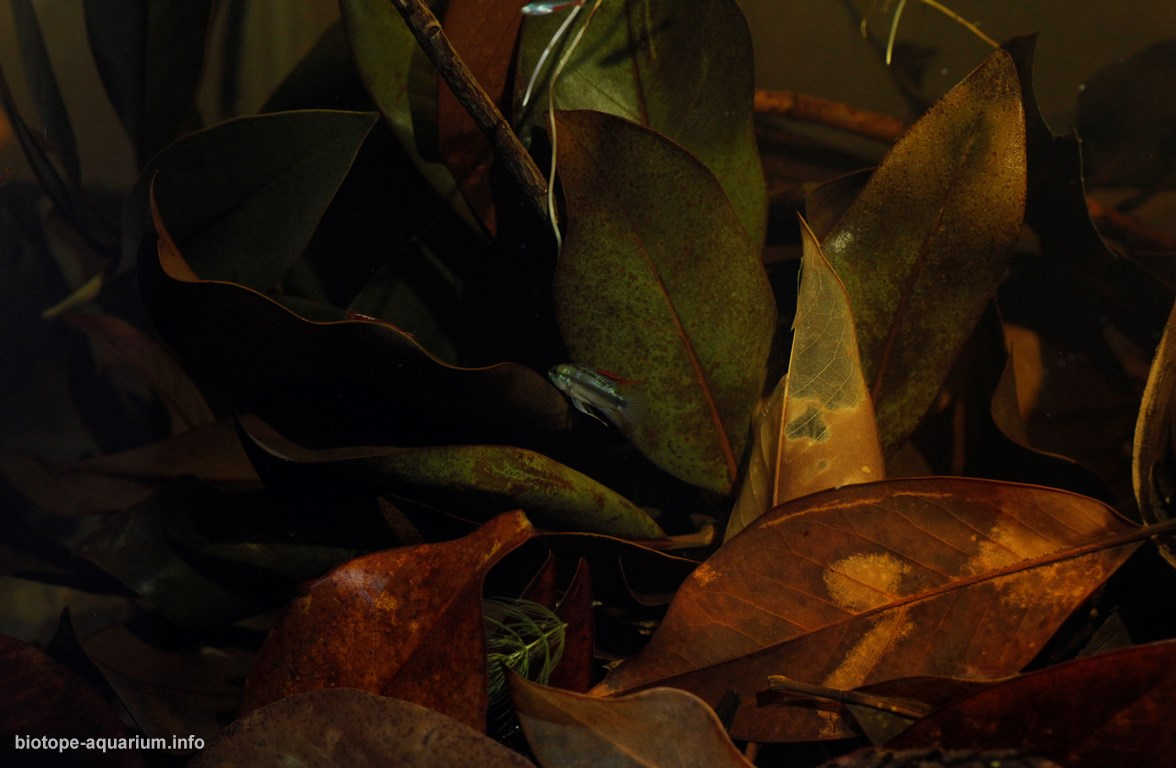
Description of the Area Surrounding the Biotope: Laguna Larga is a lake in the Beni Department, Bolivia. At an elevation of 148 m, its surface area is 100 km². It has a coastal perimeter of 102 kilometers.
生物栖息地周边环境描述:拉古纳拉尔加湖位于玻利维亚贝尼省,海拔 148 米,表面积 100 平方公里,海岸线周长 102 公里。
Reserva Natural, Área de Manejo Integrado.
自然保护区,综合管理区。
A very large mosaic of ecosystems formed basically of recent alluvial plains, rivers, lakes, and marshes, which Los Lagos is part of. Located in a transition zone, the site presents unique characteristics in terms of ecosystem formation processes and vegetal succession. It is estimated that the site supports more than 50,000 waterbirds; some 13 migratory species visit, and the site hosts more than 1% of the global population of the Cattle Egret Bubulcus ibis. The fish community of the Marmoré river basin numbers 394 species, representing 55% of the fish species in the Amazon basin, and the site hosts more than 1% of the global population of the Bolivian river dolphin Inia boliviensis. There also 24 threatened species of vertebrates, including the Giant Otter. Between the Beni, Mamoré, and Guaporé rivers is the vast Llanos de Moxos (Mojos) comprised of rivers, lakes (including Laguna Rogagua and Laguna Rogaguado), gallery forests, permanent swamps and marshes, and seasonally flooded savannas and wetlands. This area is flooded four to eight months a year due to rainfall and overflow from the Mamoré and its tributaries. Thousands of oxbow lakes line the floodplain of the Mamoré.
这是一片由近期冲积平原、河流、湖泊和沼泽构成的巨大生态系统马赛克,洛斯湖(Los Lagos)便是其中一部分。该地位于过渡地带,在生态系统形成过程和植被演替方面呈现出独特的特征。据估计,此地支撑着超过 50,000 只水鸟;约有 13 种迁徙物种在此造访,并且栖息着全球超过 1% 的牛背鹭(Bubulcus ibis)种群。马莫雷河(Marmoré)流域的鱼类群落包含 394 个物种,占亚马逊盆地鱼类物种总数的 55%,同时该地还栖息着全球超过 1% 的玻利维亚河豚(Inia boliviensis)种群。此外,这里还有 24 种受威胁的脊椎动物,包括巨獭。在贝尼河、马莫雷河和瓜波雷河之间,是广阔的莫霍斯平原(Llanos de Moxos,又称 Mojos),其地貌涵盖河流、湖泊(包括罗瓜瓜湖 Laguna Rogagua 和罗瓜瓜多湖 Laguna Rogaguado)、河岸森林、永久性沼泽与湿地,以及季节性泛滥的稀树草原和湿地。由于降雨以及马莫雷河及其支流的泛滥,该区域每年有四至八个月处于洪水期。成千上万的牛轭湖沿马莫雷河的洪泛区分布。
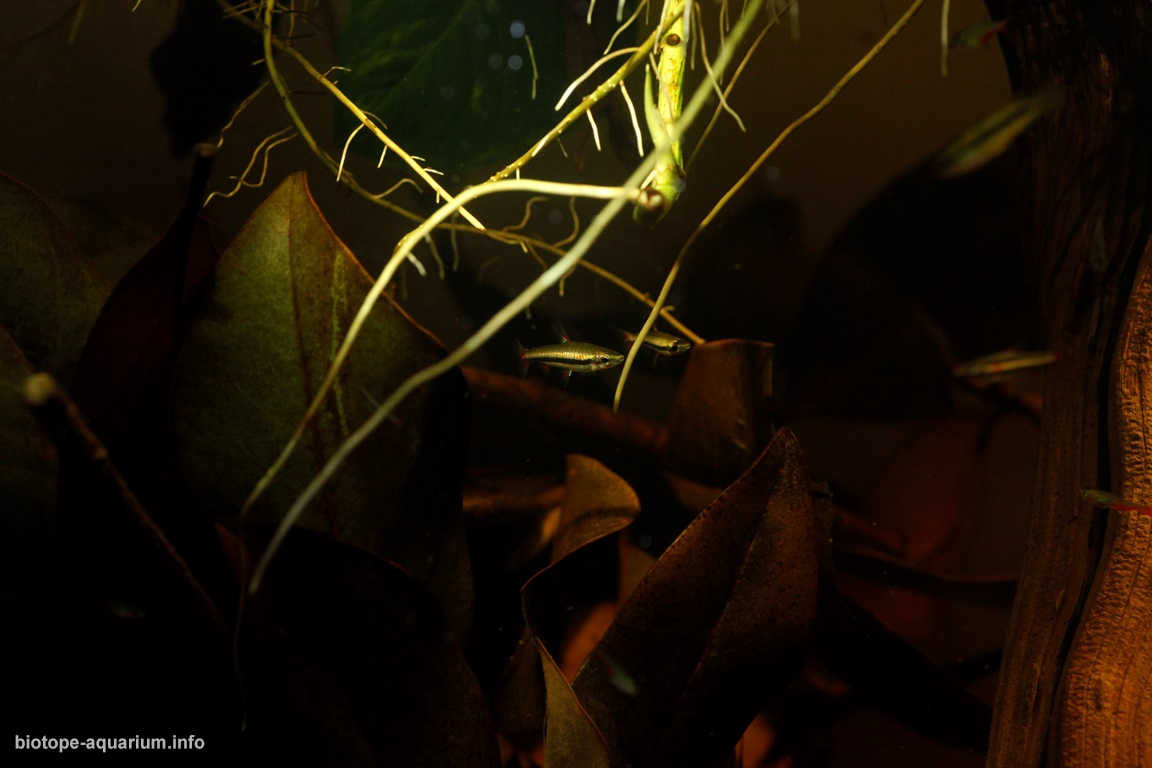
Description of the Underwater Landscape of the Biotope: The banks of the bay, which drop steeply to a depth of two to three meters, bordered directly on solid land, so that the banks with the pronounced root layer the shore trees were covered. This created a very dense root system for fish to thrive in.
生物群落的水下景观描述:海湾的河岸陡峭地下降至两到三米的深度,直接与坚实的陆地相接,因此长有发达根系的岸边树木覆盖了这些河岸。这为鱼类营造了一个极其茂密的根系栖息环境。
Water clarity: The water is clear and visibility is 1-1,5 meters. There is a lot of detritus so any movement or interacting with the soil or meadows could disturb the clarity of the water. The sandy bottom of the river, old remnant channels and lakes was covered with large quantities of organic material, mainly made up of tree leaves. Lake is covered in thick meadows.
水体透明度:水质清澈,能见度为 1 至 1.5 米。由于存在大量碎屑,任何扰动或与底质及水草区的互动都可能影响水体的清澈度。河流、古河道残留段以及湖泊的沙质底部覆盖着大量的有机物质,主要由落叶组成。湖面上生长着茂密的水草甸。
Description of the Habitat Parameters: Water parameters: pH between 5.1 and 7, dkH between 1 and 2, gH between 3 and 7
栖息地参数描述:水质参数:pH 值介于 5.1 至 7 之间,dkH 介于 1 至 2 之间,gH 介于 3 至 7 之间。
Water flow: As it is a lake flow is limited, if any, especially in the dry season.
水流情况:由于这是一个湖泊,水流极为有限甚至几乎没有,尤其在旱季更是如此。
Temperature: The water temperature in the canals in dry season was 26 to 29 ° C, in shallower areas even up to 33 °C.
温度:旱季时,运河中的水温为 26 至 29°C,在较浅区域甚至可达 33°C。
List of Fishes and Invertebrates Occurring in the Nature Biotope: In the region of Beni, Bolivia there are nearly 80 endemic species, over a third of which are characids. Various fish could be caught in the lagoons. So among others: Apistogramma inconspicua, A. trifasciata, black phantom tetra, Corydoras hastatus, Carnegiella marthae, Apistogramma sp. “Rio Guaporé”, a species of ancistrus, Hypoptopoma, Astronotus ocellatus, A. crassilabris, Cichla pleiozona, goitre tetra, Pacus. In the Laguna Larga there were found Cichla, tetra (Acestrorhynchus, Nannostomus, Pyrrhulina, aphyocharax rathbuni), flag cichlids, crenicichla, Heros appendiculatus, , Apistogramma erythrura and trifasciata.
自然生境中出现的鱼类和无脊椎动物名录:在玻利维亚贝尼地区,有近 80 种特有物种,其中超过三分之一为脂鲤科鱼类。泻湖中可捕获多种鱼类,其中包括:隐纹短鲷(Apistogramma inconspicua)、三线短鲷(A. trifasciata)、黑幻影灯鱼、哈氏兵鲇(Corydoras hastatus)、玛氏斧头鱼(Carnegiella marthae)、短鲷属“瓜波雷河”种(Apistogramma sp.”Rio Guaporé”)、一种下口鲇(ancistrus)、小顶鳍鲇(Hypoptopoma)、眼斑星丽鱼(Astronotus ocellatus)、厚唇星丽鱼(A. crassilabris)、多带丽鱼(Cichla pleiozona)、甲状腺肿灯鱼以及帕库鱼(Pacus)。在拉古纳拉尔加(Laguna Larga)发现了丽鱼属(Cichla)、脂鲤类(Acestrorhynchus、Nannostomus、Pyrrhulina、拉氏细脂鲤 Aphyocharax rathbuni)、旗形慈鲷、矛丽鱼属(Crenicichla)、附饰英雄鱼(Heros appendiculatus)、红尾短鲷(Apistogramma erythrura)和三线短鲷(trifasciata)。
List of Plants Found in the Nature Biotope: In a lake nearby there were recorded 57 species of aquatic plants, distributed in 44 genera and 26 families (Table 1). The richest family was Poaceae (9 spp.), followed by Asteraceae, Convolvulaceae, Fabaceae, Onagraceae and Polygonaceae (4 spp. each), and Pontederiaceae (3 spp.). Also near were found zolla spp., Cabomba furcata, Cabomba piahuyensis, Caperonia spp., Ceratopteris pteridioides, Cyperus giganteus, Cyperus spp., Eichhornia azurea, Eichhornia crassipes, Echinochloa polystachya, Elodea granatensis, Fuirena robusta, Hymenachne amplexicaulis, Hymenachne donacifolia, Lemna aequinoctialis, Lemna minor, Limnobium spp., Limnocharis spp., Ludwigia spp., Nymphaea spp., Oryza grandiglumis, Oryza latifolia, Oxycarium cubensis, Panicum elephantipes, Paspalum repens, Pistia stratiotes, Polygonum spp., Pontederia spp., Potamogeton spp., Rhynchospora sp., Sagittaria spp., Salvinia spp., Scleria spp., Thalia geniculata, Victoria amazonica.
自然生境中发现的植物名录:在附近的一个湖泊中,共记录到 57 种水生植物,分属于 44 个属和 26 个科(表 1)。物种最丰富的科是禾本科(Poaceae,9 种),其次是菊科(Asteraceae)、旋花科(Convolvulaceae)、豆科(Fabaceae)、柳叶菜科(Onagraceae)和蓼科(Polygonaceae)(各 4 种),以及雨久花科(Pontederiaceae,3 种)。附近还发现了以下物种:zolla spp.、叉叶藻(Cabomba furcata)、皮亚惠森氏叶藻(Cabomba piahuyensis)、Caperonia spp.、蕨状槐叶蘋(Ceratopteris pteridioides)、巨型莎草(Cyperus giganteus)、Cyperus spp.、蓝水葫芦(Eichhornia azurea)、凤眼莲(Eichhornia crassipes)、多穗稗(Echinochloa polystachya)、格拉纳达水蕴草(Elodea granatensis)、强壮荸荠(Fuirena robusta)、抱茎黍(Hymenachne amplexicaulis)、芦苇状黍(Hymenachne donacifolia)、赤道浮萍(Lemna aequinoctialis)、小浮萍(Lemna minor)、Limnobium spp.、Limnocharis spp.、丁香蓼属(Ludwigia spp.)、睡莲属(Nymphaea spp.)、大粒稻(Oryza grandiglumis)、宽叶稻(Oryza latifolia)、古巴氧草(Oxycarium cubensis)、象脚黍(Panicum elephantipes)、匍匇雀稗(Paspalum repens)、大薸(Pistia stratiotes)、蓼属(Polygonum spp.、梭鱼草属(Pontederia spp.)、眼子菜属(Potamogeton spp.)、Rhynchospora sp.、慈姑属(Sagittaria spp.)、满江红属(Salvinia spp.)、Scleria spp.、屈曲水竹芋(Thalia geniculata)以及亚马逊王莲(Victoria amazonica)。
Threats to the Ecology of the Biotope: As elsewhere in the Amazon basin, the importance of rubber exploitation generates severe cultural and socio-environmental impacts which can have drastic effects on the indigenous population. (https://rsis.ramsar.org/ris/2094?language=en). There is rising evidence that the structure and function of Amazonian freshwater ecosystems are increasingly impacted by rapid expansions in infrastructure and economic activities (Castello et al., 2013). Four main drivers of freshwater ecosystem degradation are recognized: deforestation, construction of dams and navigable waterways, pollution, and overfishing.
该生物群落生态面临的威胁:与亚马逊盆地其他地区一样,橡胶开采的重要性引发了严重的文化及社会环境影响,可能对原住民群体造成毁灭性后果。(https://rsis.ramsar.org/ris/2094?language=en)。越来越多的证据表明,基础设施和经济活动的快速扩张正日益影响亚马逊淡水生态系统的结构与功能(Castello 等人,2013 年)。目前公认的导致淡水生态系统退化的四大驱动因素为:森林砍伐、水坝与通航水道建设、污染以及过度捕捞。
These disturbances have generated negative effects on fish communities not only in the Amazon (Petrere et al., 2004;
这些干扰不仅对亚马逊地区的鱼类群落产生了负面影响(Petrere 等人,2004;
Castello et al., 2013; Pelicice et al., 2014) but also worldwide. For instance, a recent study considering twenty well-sampled Central and North American river basins with riverine fish extinctions caused by human perturbations, shows that the present extinction rates for these basins are some 150 times greater than natural extinction rates (Tedesco et al., 2013). Thus our general message here is that these latest disturbances should be much more stressful for Amazonian fishes, and therefore of much more immediate concern than will be climate change. We believe that conservation actions should focus preliminarily on reducing the effects of these ongoing anthropogenic threats. Furthermore, given the multiplicity of disturbances, there is also an urgent need to develop a better understanding of the combined and interactive effects of these stressors (including climate change) on Amazonian fish biodiversity (Oberdorff et al, 2015).
Castello 等人,2013;Pelicice 等人,2014),也对全球范围内的鱼类群落造成了影响。例如,最近一项针对二十个采样充分的中北美河流流域的研究显示,由人类扰动导致的河流鱼类灭绝使得这些流域当前的灭绝速率约为自然灭绝速率的 150 倍(Tedesco 等人,2013)。因此,我们的核心观点是:这些最新的干扰对亚马逊鱼类的压力应远大于气候变化,因而更需引起即刻关注。我们认为,保护行动应初步聚焦于减轻这些持续存在的人为威胁的影响。此外,鉴于干扰因素的多样性,也亟需更深入地理解这些胁迫因子(包括气候变化)对亚马逊鱼类生物多样性的复合与交互效应(Oberdorff 等人,2015)。
本文部分素材来自网络,如有类似请联系修改,如若转载,请注明出处:http://www.yangyubang.com/?p=3632