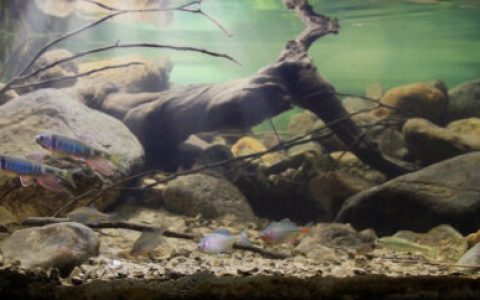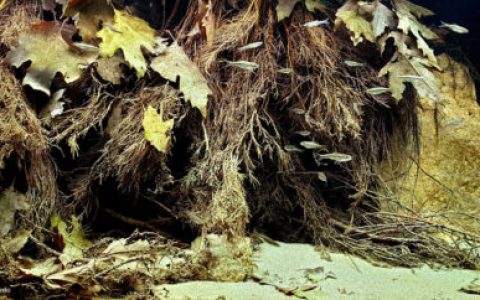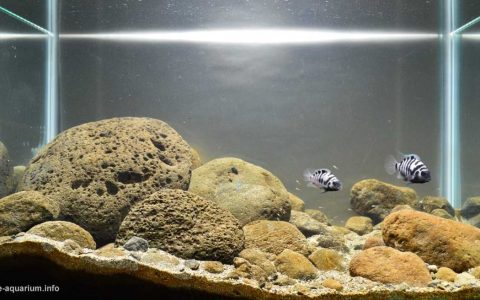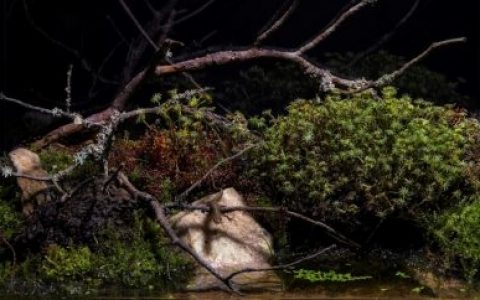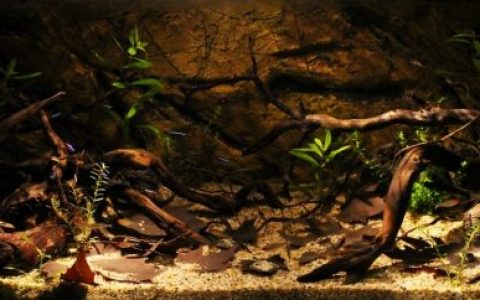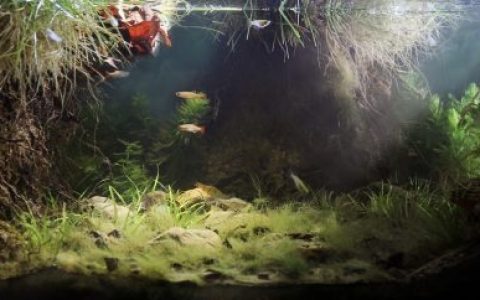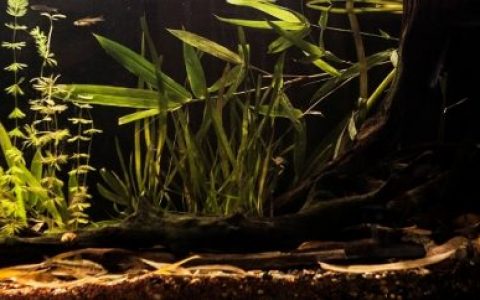
Volume of aquarium: 264 Liter
鱼缸容量:264 升
Dimensions of aquarium: 110x80x40 Cm (water is only 30 cm deep)
鱼缸尺寸:110x80x40 厘米(水深仅 30 厘米)
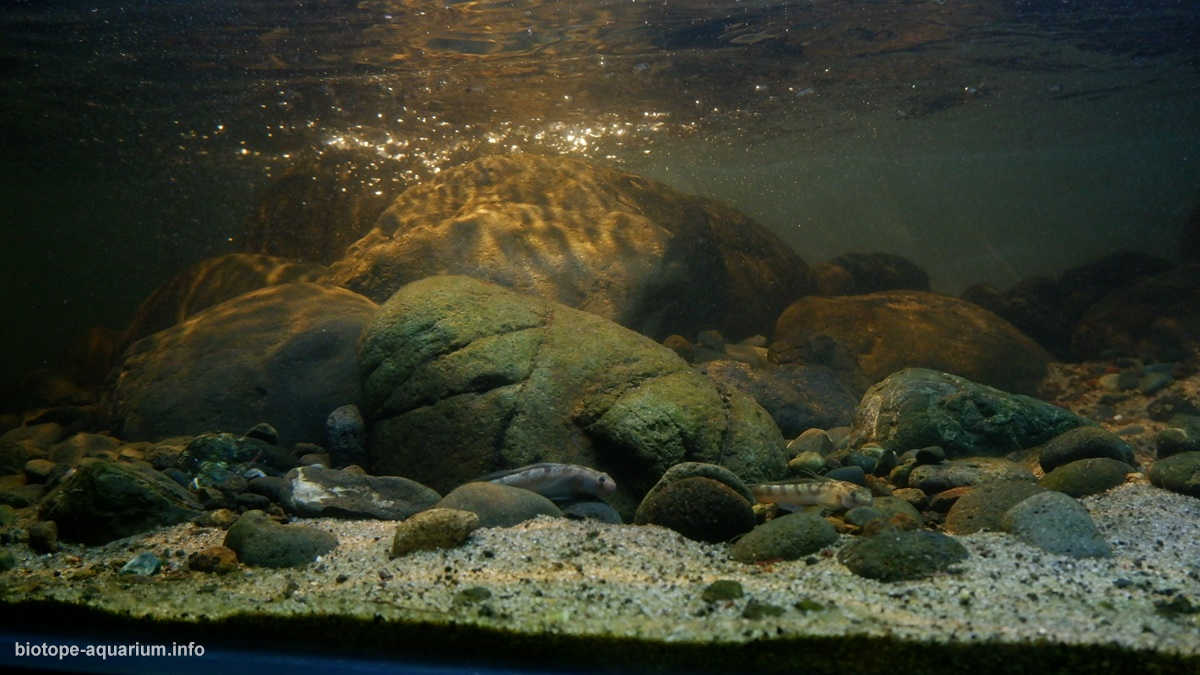
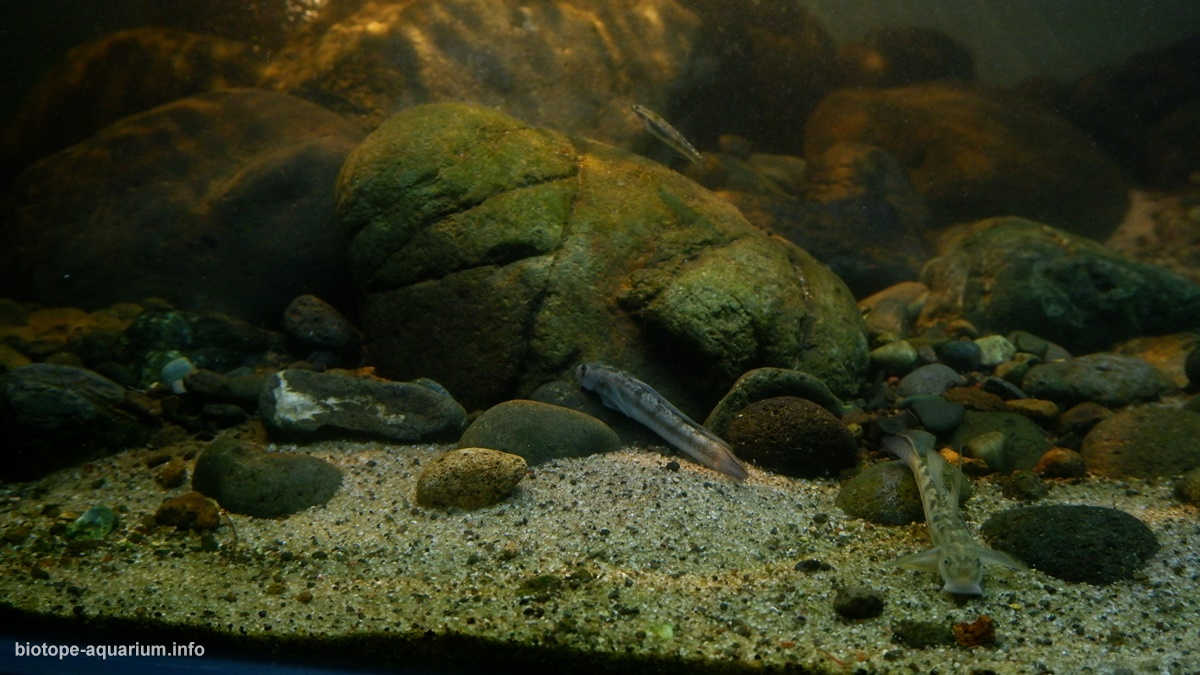
List of fishes: Sicyopterus microcephalus, Stiphodon elegans
鱼类列表:小头瓢鳍虾虎鱼(Sicyopterus microcephalus)、优雅瓢鳍虾虎鱼(Stiphodon elegans)
List of plants: – 植物列表:–
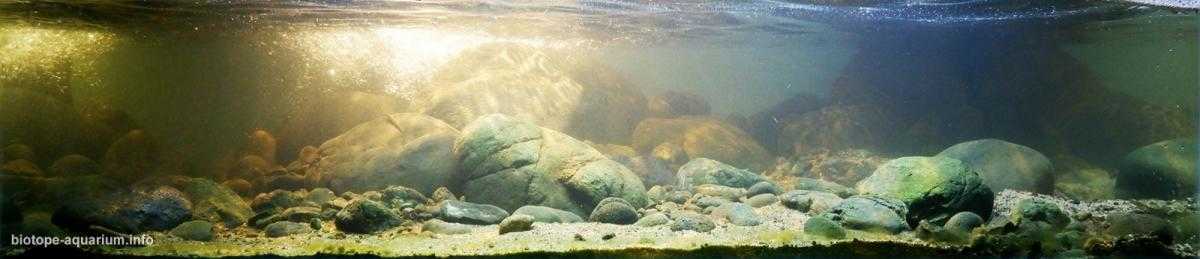
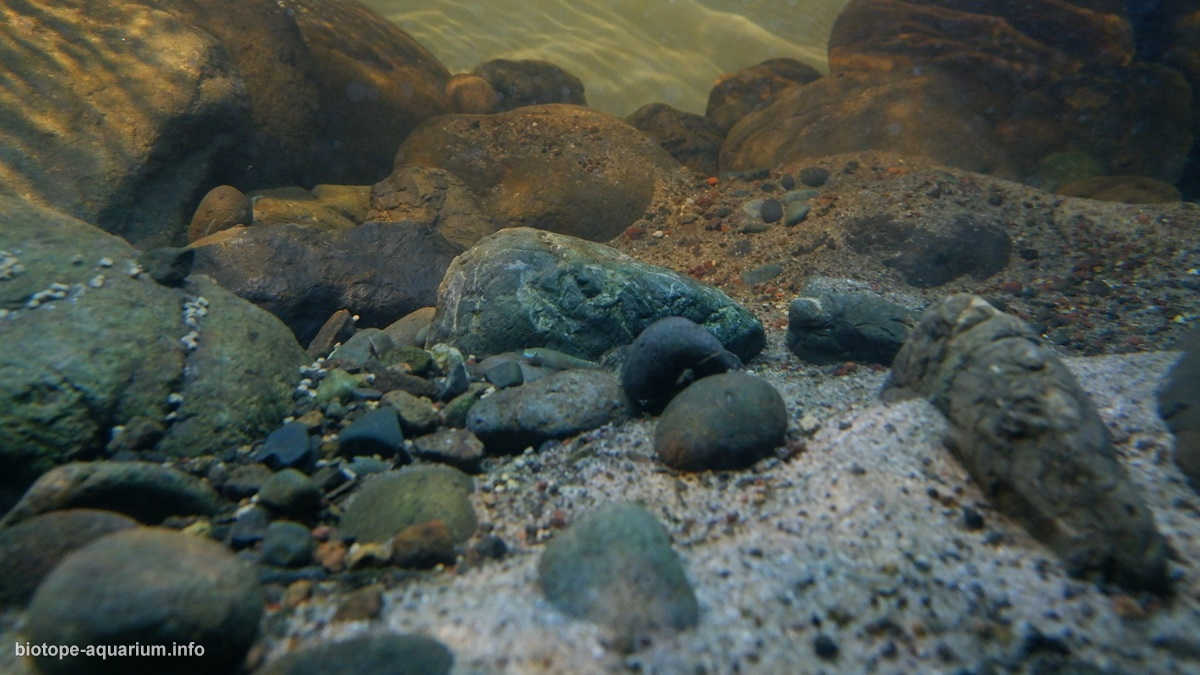
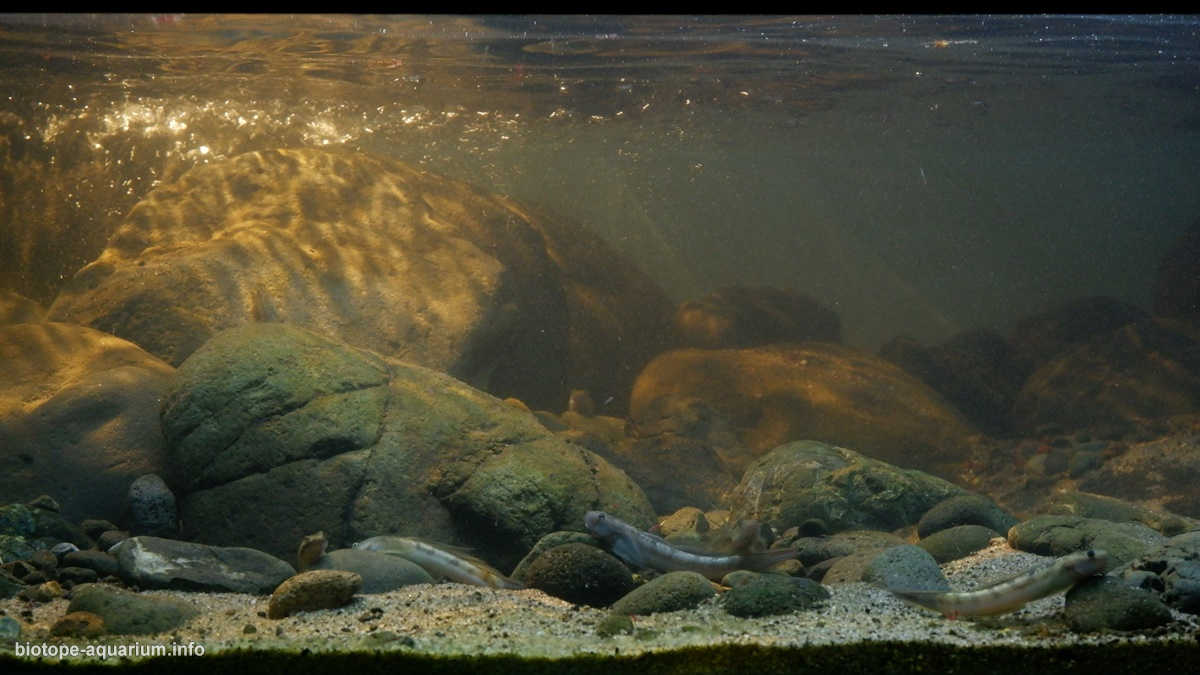
Description of Decorations and Substrate: Fine gray sand, black pebbles, round black river rocks,
装饰与底床描述:细灰沙、黑色卵石、圆形黑色河石,
Description of Equipment: Sakkai pro h 1000 36W LED, krisbow 25W spot lamp, wavemaker Hikari 24000L/H 25W
设备描述:Sakkai pro h 1000 36W LED 灯、Krisbow 25W 聚光灯、Hikari 24000L/H 25W 造浪泵,
1 powerhead Kandila KD-2600-Z 2800L/H 35W, Powerhead Atman 860L/H 15W for upperhead sump filter,
1 个 Kandila KD-2600-Z 2800L/H 35W 动力头,Atman 860L/H 15W 动力头用于上置式底缸过滤器,
Water Parameters: 27c – 29c, PH 7, TDS 150 ppm
水质参数:27°C – 29°C,PH 值 7,TDS 150 ppm
Additional Info: I try to make the reality of the aquarium as close to nature as possible. Types of rock, sand and fish composition are highly considered in detail based on the topography of the biotope environment. My aquarium is placed on the terrace of a shady house facing east. Always exposed to the morning sun for 3 hours, the Sicydiine goby is a fish that likes to bask when looking for food, by rubbing its mouth against a rock. Morning sunlight provides good nutrition and grows moss. So far I have observed that they do not actually eat moss, but eat diatoms, microorganisms and a type of worm that grows attached to the surface of rocks in water exposed to sunlight.
补充信息:我力求让水族箱的生态尽可能贴近自然。岩石类型、沙质以及鱼类组合的细节,均基于生物栖息地环境的地形特征进行了深入考量。我的水族箱放置在朝东的阴凉房屋露台上,每天早晨会接受 3 小时的日照。锡克迪亚虾虎鱼是一种喜欢在觅食时晒太阳的鱼类,它们会通过用嘴摩擦岩石来寻找食物。晨光为苔藓提供了良好的营养并促进其生长。据我观察,它们实际上并不以苔藓为食,而是以硅藻、微生物以及一种附着在阳光照射下水中岩石表面的蠕虫为食。
As additional food, super food gel was given plus spirulina, tubifex worms, frozen blood worms, artemia, daphnia given alternately.
作为补充食物,我交替投喂超级食物凝胶(添加了螺旋藻)、水丝蚓、冷冻血虫、丰年虾和卤虫。
I use an overhead sump filter for easy maintenance and cleaning, the open filter system makes it easy to install a fan, to cool the water that passes through the bioceramic, this is very effective and the falling water facilitates the exchange of Oxygen.
我采用顶置式底缸过滤器以便于维护和清洁,开放式过滤系统便于安装风扇,用于冷却流经生物陶瓷的水流,这种方法非常有效,而落水过程也促进了氧气交换。
Keeping Sicydiine fish must provide an aerator to increase oxygen levels in the water, additional aeration is more important than forced low temperatures.
饲养 Sicydiine 鱼必须配备增氧设备以提高水中氧气含量,额外增氧比强制低温更为重要。
Replacement of water every 3 day 20%,
每 3 天换水 20%,
Description of the Area Surrounding the Biotope: Aquarium biotope was created by referring to research from the LIPI scientific institute, as the main data, this article is attached and can be downloaded by anyone. In the article, the area referred to as “the south side of Mount Halimun” is the Cimaja and Cisukawayana rivers. These two rivers are close to each other, connected to each other by an irrigation system and flow into the Teluk Pelabuhan Ratu. Mount Halimun has a geological history known as the Bayah dome. This geological event isolated the river south of Mount Halimun, so it was not connected to other rivers on the island of Java. The isolated river area gives rise to the existence of goby fish species that fill the void of the ecological niche in the south of Mount Halimun.
生物群落周边区域描述:该水族箱生物群落是根据 LIPI 科学研究所的研究数据创建的,作为主要依据,本文附有相关研究资料,可供任何人下载。文章中提到的“哈林蒙山南侧”区域指的是 Cimaja 河和 Cisukawayana 河。这两条河流相距很近,通过灌溉系统相互连接,最终汇入 Pelabuhan Ratu 湾。哈林蒙山的地质历史被称为 Bayah 穹顶。这一地质事件使哈林蒙山南部的河流与爪哇岛上的其他河流隔绝,形成了独立的河流区域。这种河流隔离现象催生了填补哈林蒙山南部生态位空缺的虾虎鱼物种。
The character of the river in the south of Mount Halimun is rocky, short and steep. I found some interesting habitats with different water parameters based on the topography of the area.
哈林蒙山南侧河流的特点是岩石遍布、河道短促且坡度陡峭。根据该地区的地形特征,我发现了一些有趣的水域栖息地,它们的水质参数各不相同。
The biotope habitat in the topography of 100 MASL is a river with a width of 20 meters. Around the river is rice field.
海拔 100 米地形区的生物群落栖息地是一条宽 20 米的河流。河流周边是稻田。
Description of the underwater landscape of the biotope
水下景观描述
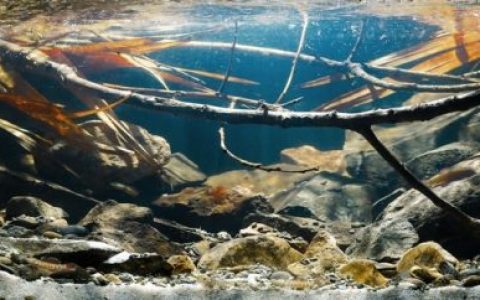
The river in the 100MASL topographic area is shallow, the maximum depth is only 1 meter. the water discharge is sometimes a little but there are often sudden floods
海拔 100 米地形区的河流水浅,最大深度仅 1 米。水量有时较小,但常会突发洪水。
Description of the Underwater Landscape of the Biotope: The river in the 100MASL topographic area is shallow, the maximum depth is only 1 meter. the water discharge is sometimes a little but there are often sudden floods
水下景观描述:该河流位于海拔 100 米的地形区域,水深较浅,最大深度仅 1 米。水量有时较小,但常突发洪水。
Description of the Habitat Parameters: Average temperature is 27 c, PH 7, TDS 120-200 ppm
栖息地参数描述:平均温度 27°C,pH 值 7,TDS 值 120-200 ppm。
List of Fishes and Invertebrates Occurring in the Nature Biotope: Sicyopterus microcephalus
自然栖息地中出现的鱼类及无脊椎动物列表:小头瓢鳍虾虎鱼(Sicyopterus microcephalus)
Stiphodon elegans 优雅瓢鳍虾虎鱼(Stiphodon elegans)
Awaous grammepomus Awaous grammepomus(纹吻虾虎鱼)
Eleotris melanosoma Eleotris melanosoma(黑体塘鳢)
Gymnothorax polyumnodon Gymnothorax polyumnodon(多齿裸胸鳝)
Osteochilus hasseltii Osteochilus hasseltii(哈氏纹唇鱼)
Anguilla bicolor 双色鳗鲡
Puntius binotatus 双点无须鲃
List of Plants Found in the Nature Biotope: no water plants, only plants in the periphery zone which is dominated by coconut tree and shrubs
自然生物群落中发现的植物列表:无水生植物,仅周边区域有植物,以椰子树和灌木为主
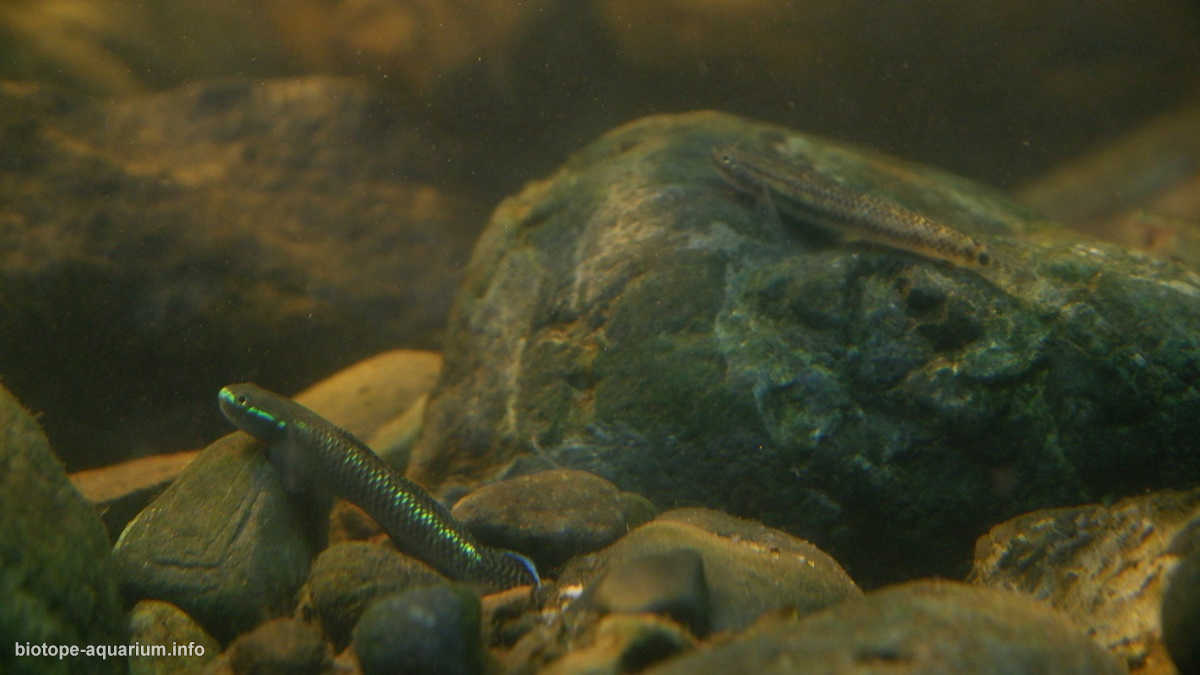
Threats to the Ecology of the Biotope: as written in the book Indo-Pacific Sicydiine Gobies, sicydiine habitat is determined by water parameters and topography. The isolated habitat south of Mount Halimun is a few habitats with the dominance of sicydiine gobies on the island of Java, therefore this habitat really needs to be preserved. several species of sicydiine gobies in this area are newly identified species such as Lentipes ikeae, Sicyopus rubicundus and the recently described Schismatogobius saurii. It is also necessary to investigate the types of sicydiine gobies in this area which are too far from their common habitats, such as Sicyopus zosterophorum and Stiphodon elegans, which may be new species.
生物群落生态面临的威胁:正如《印度-太平洋溪鳚虎鱼》一书所述,溪鳚虎鱼的栖息地由水质参数和地形决定。哈林蒙山南部的孤立栖息地是爪哇岛上少数以溪鳚虎鱼为主的栖息地之一,因此这一栖息地亟需保护。该区域的几种溪鳚虎鱼是新发现的物种,如 Lentipes ikeae、Sicyopus rubicundus 以及近期描述的 Schismatogobius saurii。此外,还需调查该区域中远离其常见栖息地的溪鳚虎鱼种类,如 Sicyopus zosterophorum 和 Stiphodon elegans,它们可能是新物种。
There is one interesting fact, I made this biotope aquarium based on data from 20 years ago, too many changes, not all rivers south of Mount Halimun have sicydiine, some of the ecology of this river has been replaced by fish that are more commonly found in Java such as Nemacheilus sp, Puntius sp, Cyprinus carpio, Osteochilus hasseltii and Rasbora aprolaenia. This type of sicydiine will very easily lose competition, lose aggressively. Not everyone in Java is aware of the existence of the Sicydiine species, some are not aware of spreading invasive fish species that are dangerous to the ecology in the south of Mount Halimun.
有一个有趣的事实:这个生物群落水族箱是基于 20 年前的数据制作的,但变化太大了——哈利蒙山南部的河流并非都有溪鳉鱼,部分河流的生态已被爪哇更常见的鱼类取代,如条鳅属、无须鲃属、鲤鱼、哈氏纹唇鱼和波条波鱼。这类溪鳉鱼极易在竞争中落败,也缺乏攻击性。爪哇并非所有人都了解溪鳉鱼的存在,有些人甚至没有意识到,传播入侵性鱼类物种对哈利蒙山南部的生态具有危险性。
本文部分素材来自网络,如有类似请联系修改,如若转载,请注明出处:http://www.yangyubang.com/?p=3981