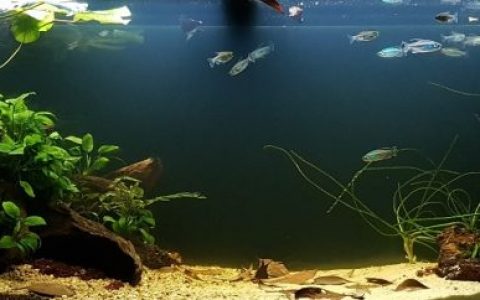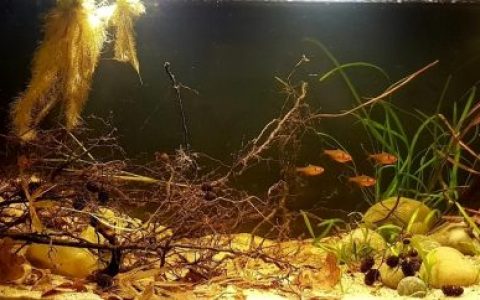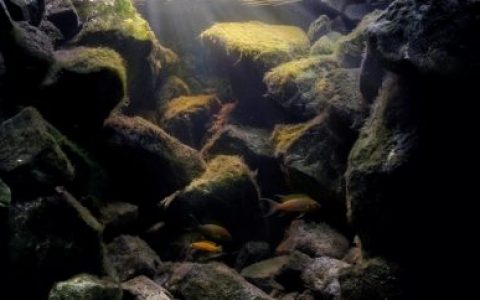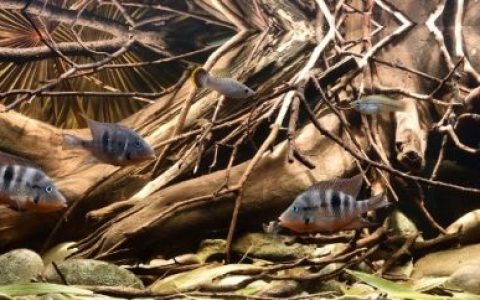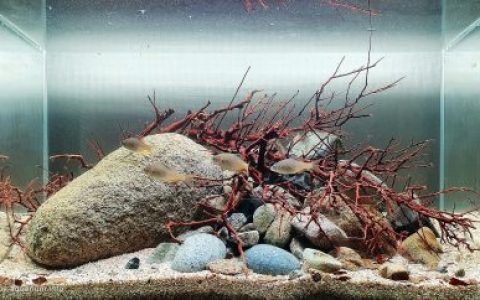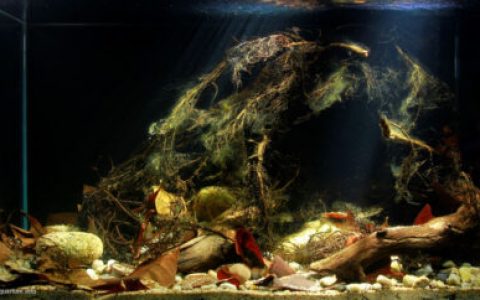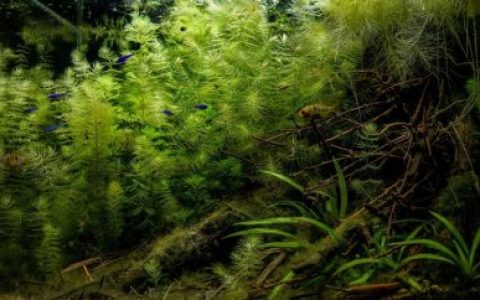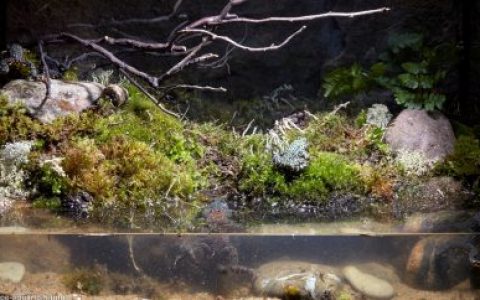
Volume: 100 L 容积:100 升
Dimensions: 65x44x35 cm 尺寸:65x44x35 厘米
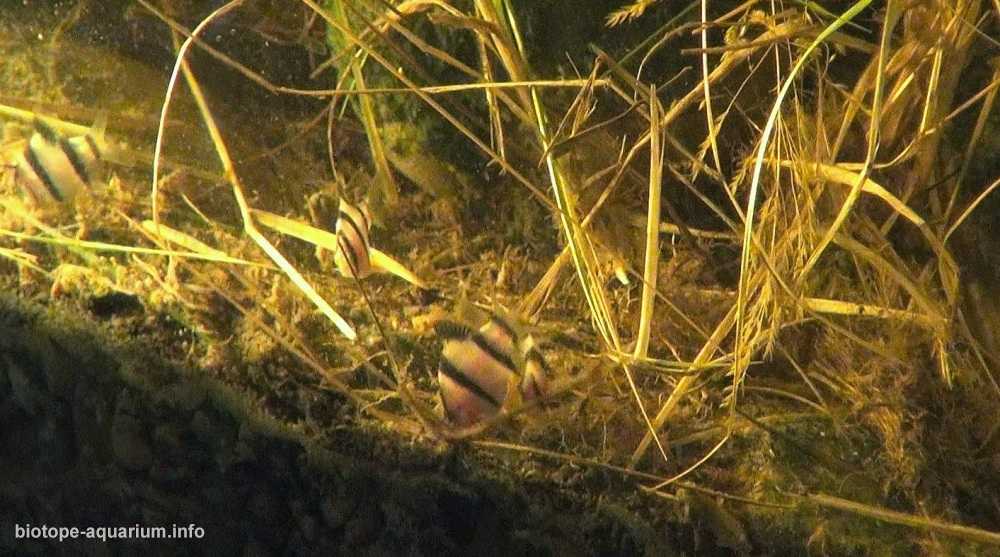
List of fishes: Puntigrus partipentazona
鱼类列表:Puntigrus partipentazona
List of plants: N/A 植物列表:无
Description of decorations: Cynodon sp
装饰描述:狗牙根属(Cynodon sp.)
Description of equipment: Filter RS Electrical RS 702 QMAX 1500L/H 18W, Incandescent lamp 2×100 Wt.
设备描述:RS Electrical RS 702 QMAX 过滤器(1500 升/小时,18 瓦),白炽灯 2×100 瓦。
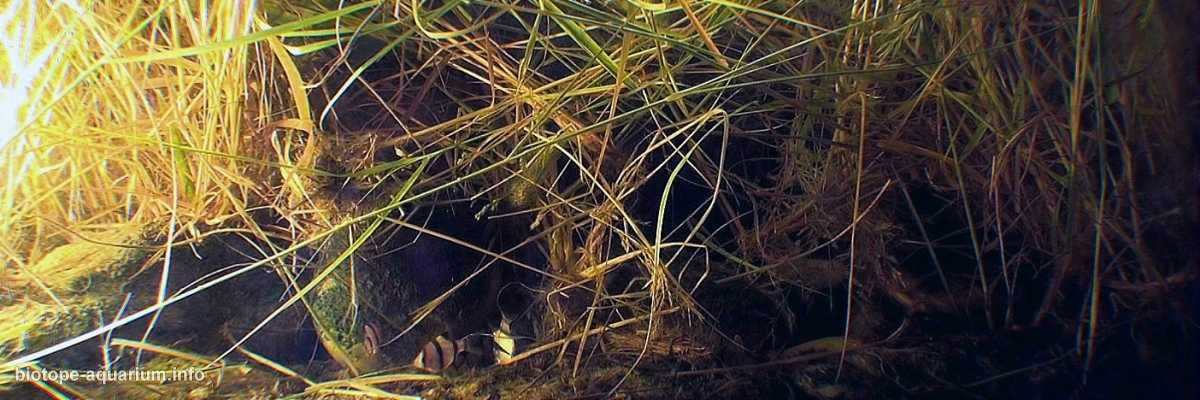
Water parameters: Temperature: 24°C. pH: 7.0.
水质参数:温度 24°C,pH 值 7.0。
Additional info: – 补充信息:–
INFORMATION ABOUT BIOTOPE
关于生物群落的信息
Description of the area surrounding the biotope: The Mekong River is a river in the south-east of Asia. It flows through many countries: China, Burma, Thailand, Laos, Cambodia, and finally Vietnam. The Mekong begins in the Lasagongma Spring which is in the plateaus of Tibet, disputed part of China, and flows about 2,703 miles (4,350 km) south-east to the South China Sea. Its watershed covers 307,000 square miles (797,000 square kilometers). Its name comes from the Thai language’s Mae Num, or literally, “Mother Water”. The Mekong River is the 12th longest river in the world, flowing from high up in the Tibetan Plateau, all the way to the South China Sea, some 4,500 km from its source. It drains an area of almost 800,000 km squared and traverses multiple countries, including China, Myanmar, Laos, Thailand, Cambodia and Vietnam. The Mekong forms an important point of connection and unification between the region’s countries and its diverse peoples, landscapes and cultures.
生物栖息地周边环境描述:湄公河是位于东南亚的一条河流,流经多个国家:中国、缅甸、泰国、老挝、柬埔寨,最终注入越南。湄公河发源于位于西藏高原(中国存在争议的地区)的拉萨贡马泉,向东南方向流淌约 2,703 英里(4,350 公里),最终汇入南海。其流域面积达 307,000 平方英里(797,000 平方公里)。其名称源自泰语”Mae Num”,字面意为“母亲之水”。湄公河是世界第十二长河,从青藏高原高处起源,一路奔流至南海,全长约 4,500 公里。它滋养着近 800,000 平方公里的土地,并穿越包括中国、缅甸、老挝、泰国、柬埔寨和越南在内的多个国家。湄公河构成了该地区各国及其多元民族、地貌与文化之间重要的连接与统一纽带。
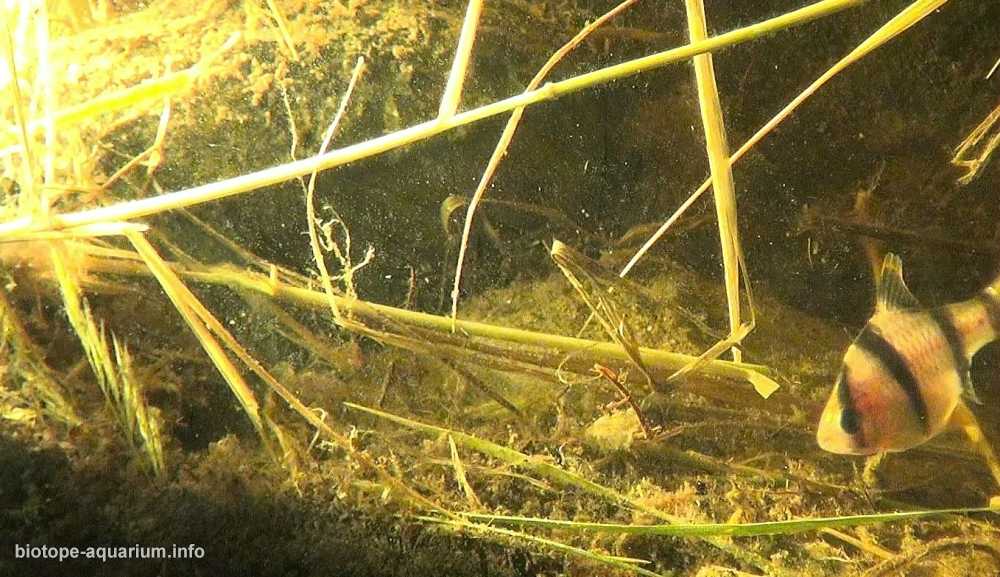
Description of the underwater landscape of the biotope: The Mekong River carries soil, washed from the Himalayas, into the lake. The substrate is sandstone, fine sand of yellowish-gray color. During the rainy season, the water floods vast areas of the rainforest, therefore there are many branches, drifts, fallen leaves in the water, and the bottom is covered with organic matter and silt. This creates a unique look of the lake.
生物群落水下景观描述:湄公河将源自喜马拉雅山脉的冲刷土壤带入河中。底质为砂岩,呈黄灰色的细沙。雨季时,洪水淹没大片雨林区域,因此水中遍布树枝、漂流木和落叶,河床覆盖着有机物质与淤泥,从而形成了该水域独特的景观风貌。
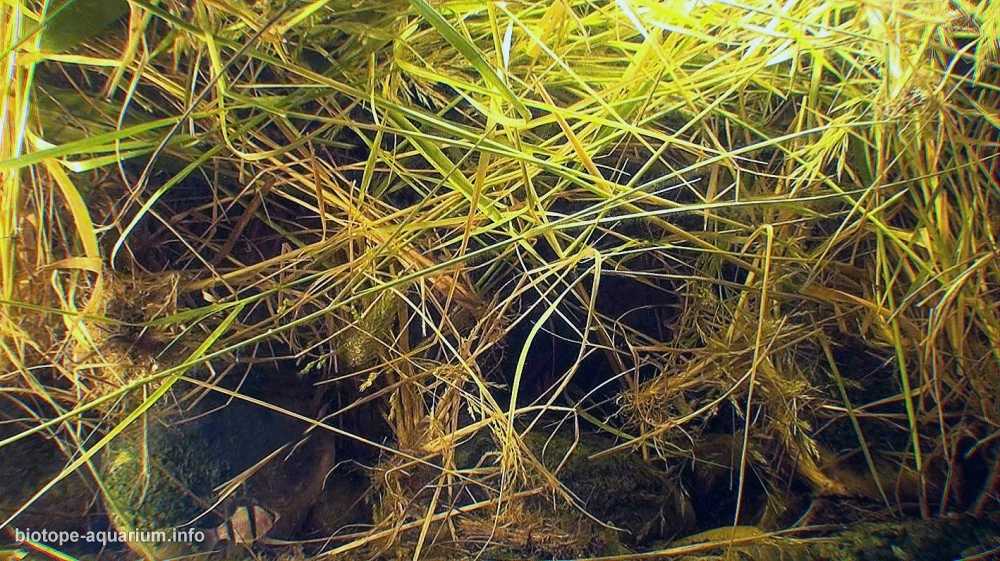
Description of the parameters of the habitat: In the rainy season, when the water rises by 8 meters and the lake increases by 5 times over the area, whole underwater forests are formed. The lake water is turbid, dark in color. When the lake is dry, the water has a yellow-brown color. The shallow water is covered with mud and a thick layer of silt, washed out by the Mekong River during the rainy period. During the rainy season, tree trunks and tangled roots create conditions for spawning for numerous species of fish, some of which come from the Mekong River. On the surface of the water there are common aquatic plant colonists from South America: water hyacinth. There are almost no other aquatic plants, as well as lower algae. When the volume of water in the Mekong decreases and the water begins to go down, the Tonle Sap river changes direction and begins to flow towards the Mekong. The lake begins to shallow, and the “black fish” prepares to wait out a period of drought in the mud, the “gray fish” moves to numerous tributaries, and the “white fish” returns to the Mekong and goes upstream. During the dry period, the water temperature rises to 30°C, the amount of oxygen in the water decreases sharply, therefore only a double-breathing fish remains in the lake. These are the most characteristic and integral elements of a biotope.
栖息地参数描述:在雨季,当水位上涨 8 米、湖泊面积扩大五倍时,会形成完整的水下森林。湖水浑浊且颜色深暗;干季时则呈黄褐色。浅水区覆盖着淤泥和厚厚的泥沙层,这些是在雨季由湄公河冲刷而来。雨季期间,树干与盘结的根系为众多鱼类(其中部分来自湄公河)创造了产卵条件。水面上常见源自南美洲的水生植物入侵者——凤眼莲(水葫芦)。其他水生植物及低等藻类几乎绝迹。当湄公河水量减少、水位开始下降时,洞里萨河改变流向,转而注入湄公河。湖泊逐渐变浅,“黑鱼”准备潜入泥中度过旱期,“灰鱼”迁往众多支流,而“白鱼”则返回湄公河并溯流而上。 在旱季,水温升至 30°C,水中含氧量急剧下降,因此湖中仅存能进行双重呼吸的鱼类。这些是生物群落最具代表性且不可或缺的组成部分。
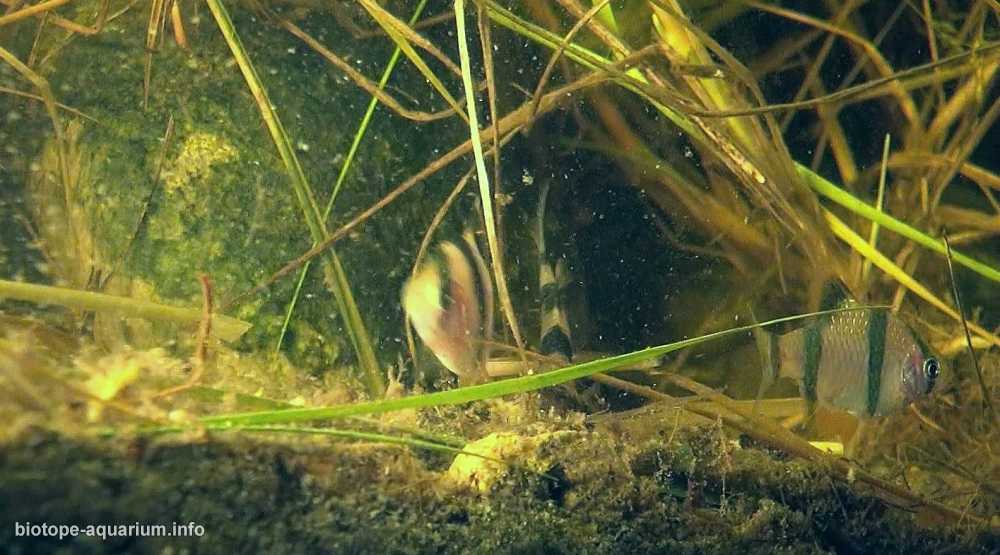
List of fishes and invertebrates occurring in the nature biotope: Puntigrus partipentazona
自然生物群落中出现的鱼类和无脊椎动物名录:五带无须魮(Puntigrus partipentazona)
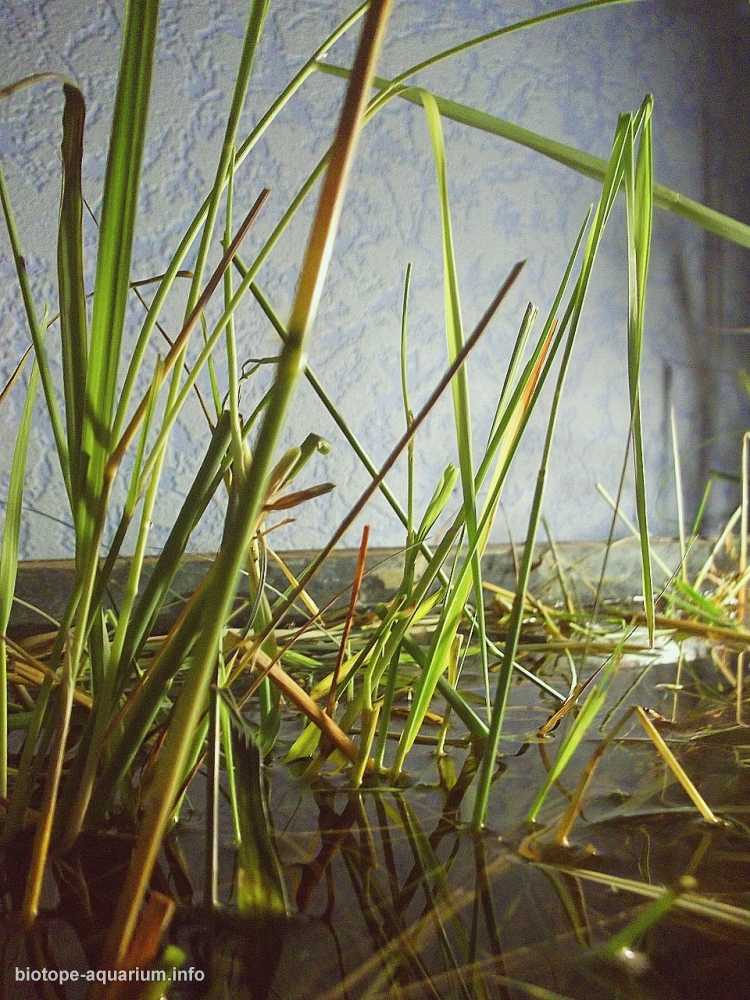
List of plants found in the nature biotope: Cynodon sp
自然生物群落中发现的植物名录:狗牙根属(Cynodon sp.)
Threats to the ecology: –
对生态的威胁:–
本文部分素材来自网络,如有类似请联系修改,如若转载,请注明出处:http://www.yangyubang.com/?p=2612