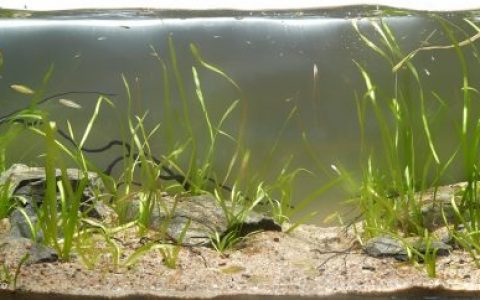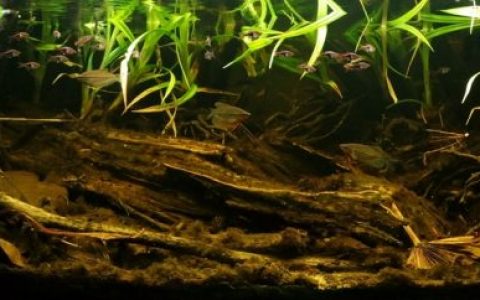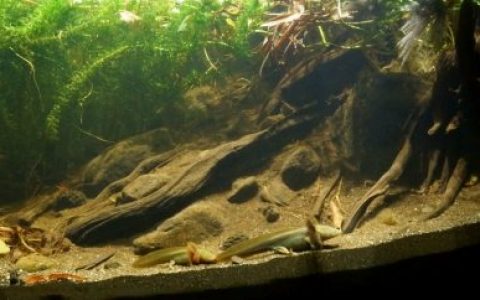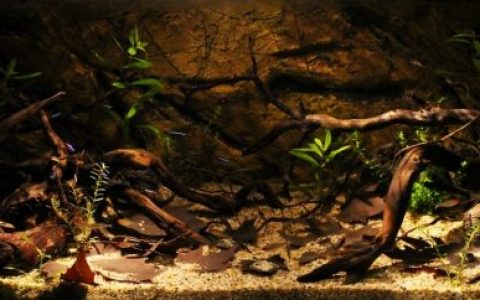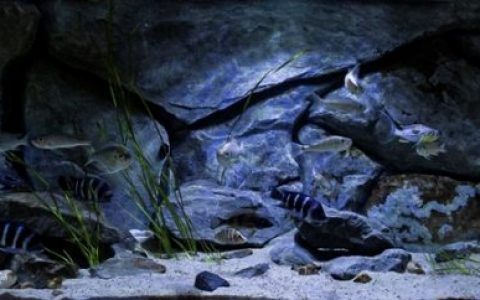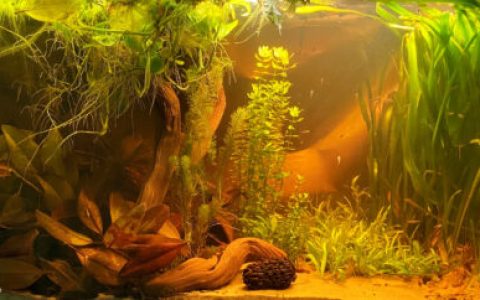
Volume: 175 L 水体容积:175 升
Dimensions: 90x69x28 cm 尺寸:90×69×28 厘米
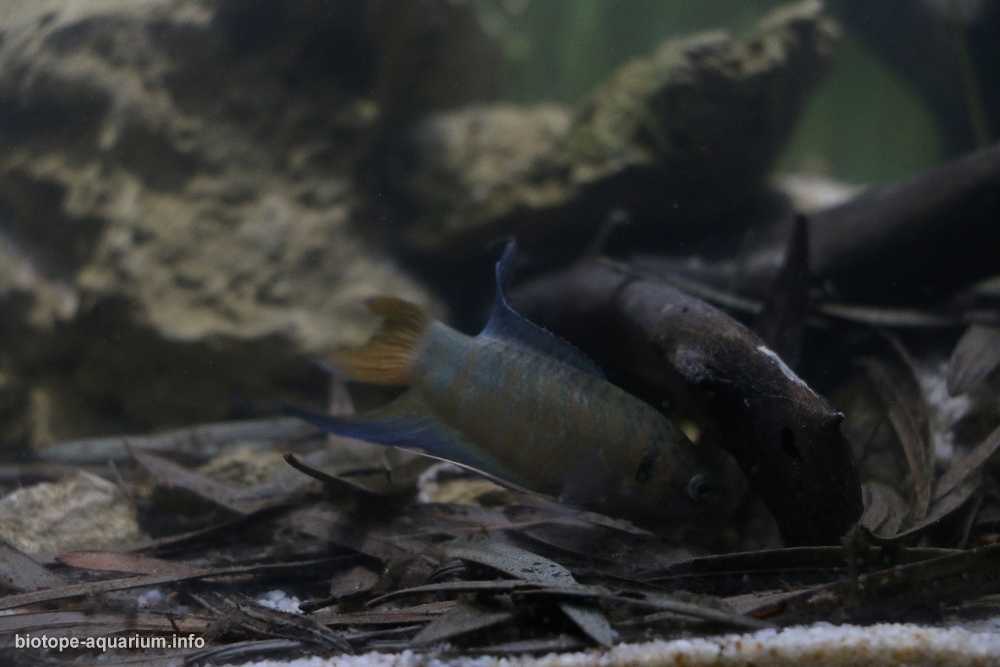
List of fishes: Macropodus opercularis
鱼类名录:Macropodus opercularis(盖斑斗鱼)
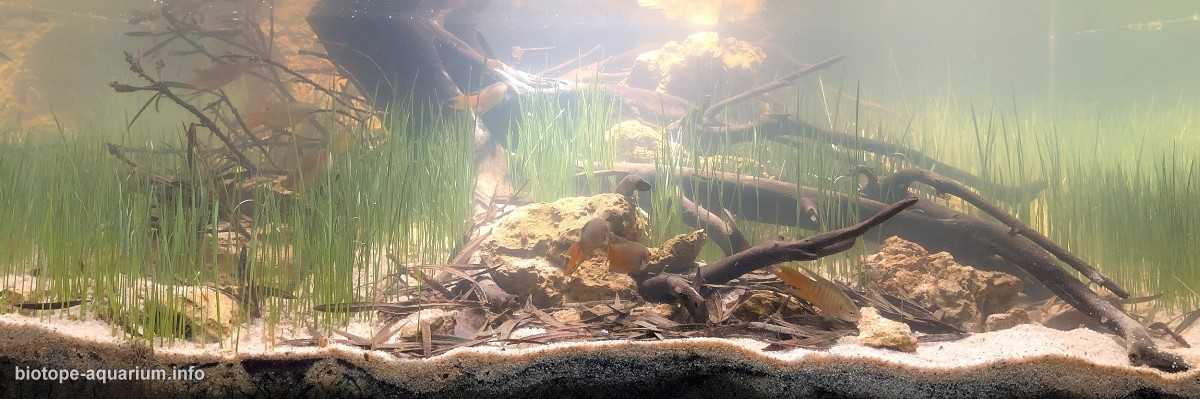
List of plants: Oryza rufipogon
植物名录:Oryza rufipogon(野生稻)
Description of decorations: Dried leaves, Melaleuca Driftwood, Oryza rufipogon… materials from Tram Chim National Park of Dong Thap Muoi
装饰描述:干叶、白千层沉木、野生稻(Oryza rufipogon)……材料均取自越南湄公河三角洲同塔梅地区的湛森国家公园
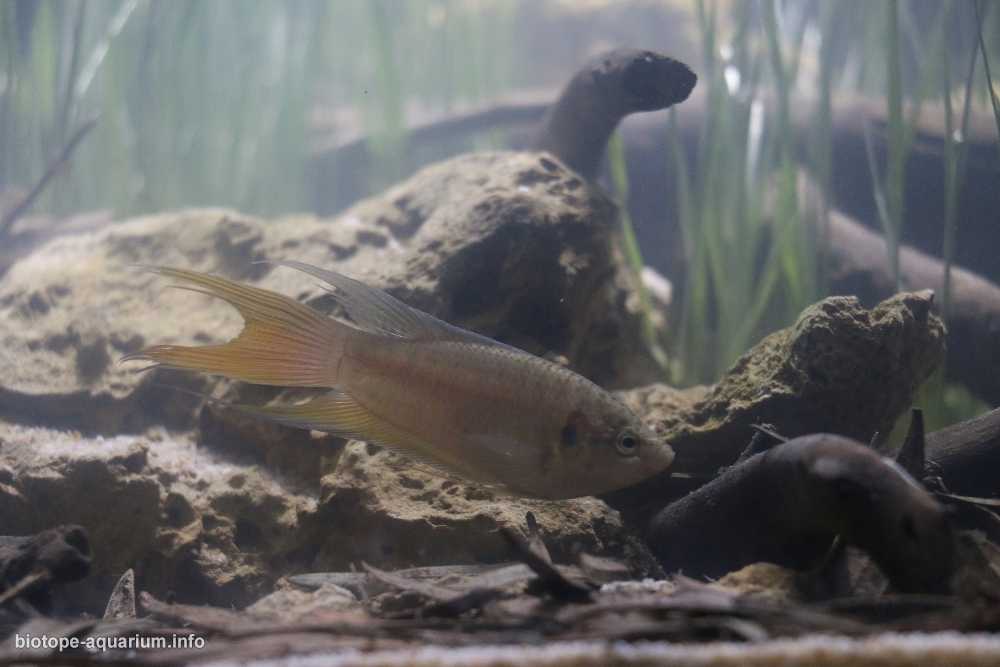
Description of equipment: External filter Eheim , Led 20W – 8000K
设备描述:伊罕(Eheim)外置过滤器,20W LED 灯,色温 8000K
Water parameters: Temperature is 28°C, pH is 6.6.
水质参数:水温 28°C,pH 值 6.6
INFORMATION ABOUT BIOTOPE
关于生物群落的信息
Description of the area surrounding the biotope: Rice production and export play an important role in Vietnam’s socio-economic development. And the origin of rice is Oryza rufipogon. Oryza rufipogon. It grows much in the Tram Chim National Park.
生物群落周边区域描述:水稻生产与出口在越南的社会经济发展中发挥着重要作用。而水稻的起源物种是普通野生稻(Oryza rufipogon)。该物种在占姆国家公园内广泛分布。
Tram Chim National Park of Dong Thap Muoi, Tam Nong district, Dong Thap province, in the Mekong Delta. The plain of reeds was seasonally flooded with standing water for continuous periods of up to seven months per year. Since canalization, flood waters drain more rapidly and the national park is flooded for less than six months per year. Water levels in the canals begin to rise in June, at the beginning of the rainy season. Between September and December, the national park is inundated to a depth of 2 to 4 m, with a peak in October. The park is in the lowest area of the Mekong River water logged plain submerged and in the centre of Dong Thap Muoi. The climate is similar to that region close to the equator; it has a great deal of rainfall and sunlight. The vegetation of Tram Chim National Park comprises a mixture of seasonally inundated grassland, regenerating Melaleuca forest and open swamp. The seasonally inundated marshes at Tram Chim are the last extensive remnant of the freshwater marshes of the Plain of Reeds. The marsh plant commu-nities form a continuum, closely following the gradient of soil surface elevation andwater permanence.
同塔梅平原的同塔省三农县占姆国家公园,位于湄公河三角洲。这片芦苇平原曾季节性积水,每年持续淹水时间长达七个月。自渠道化工程实施以来,洪水排泄速度加快,国家公园的年淹水时间已缩短至不足六个月。运河水位于六月雨季开始时逐渐上升。九月至十二月期间,公园被淹没,水深达 2 至 4 米,其中十月为峰值。该公园地处湄公河泛滥平原最低洼的滞水区,位于同塔梅平原的中心地带。其气候与赤道附近区域相似,降雨充沛,阳光充足。占姆国家公园的植被由季节性淹水草地、再生的白千层林以及开阔沼泽混合构成。占姆的季节性淹水沼泽是“芦苇平原”淡水沼泽仅存的大片遗迹。这些沼泽植物群落呈连续分布,紧密跟随土壤表面高程和水体存续时间的梯度变化。
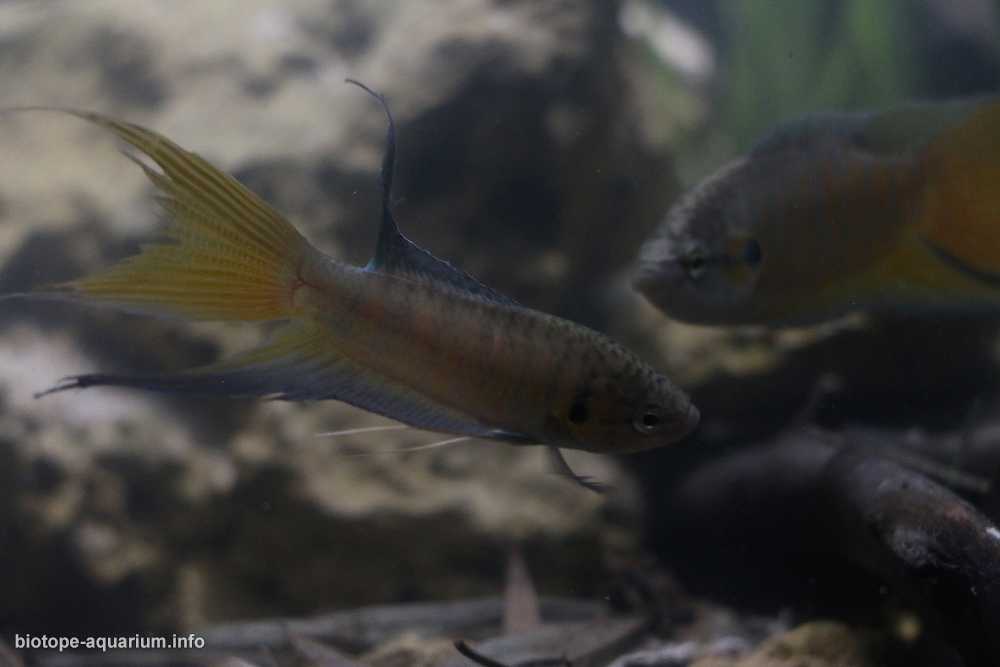
Description of the underwater landscape of the biotope: On the rain season, as the river passes through lowlands. there are many branches and driftwood in the underwater. Where are home to plant as Oryza rufipogon
生物群落水下景观描述:雨季时,河流流经低地,水下遍布树枝和浮木。这里是野生稻(Oryza rufipogon)等植物的家园。
Usually the third month of the lunar month begins to grow very much on the wild fields, when the first rains wetting the soil. Where the water rises, the rice plant goes up there.
通常在农历三月,随着初雨滋润土壤,野生稻开始在田野中迅速生长。水位上涨之处,稻株也随之挺立。
Around September, the lunar calendar is flowering. After 2-3 weeks, start to ripen. But only nine to two seeds a day. When the rice is ripe, it takes about two weeks. The immense floodwaters want to come here to harvest only the only way is to go by canoe.
大约在农历九月,稻株开始开花。两到三周后进入成熟期,但每天仅能成熟九至两粒种子。稻谷完全成熟约需两周时间。洪水浩瀚,若想在此收割,唯一的办法便是乘独木舟前往。
Ghost rice seeds are easy to shed, so people cannot cut and bring them back to the dam house, but they have to find a way to shake the rice into the boat.
野生稻的种子极易脱落,因此人们无法将其割下并带回堤坝旁的房屋,而必须设法将稻穗摇落至船中。
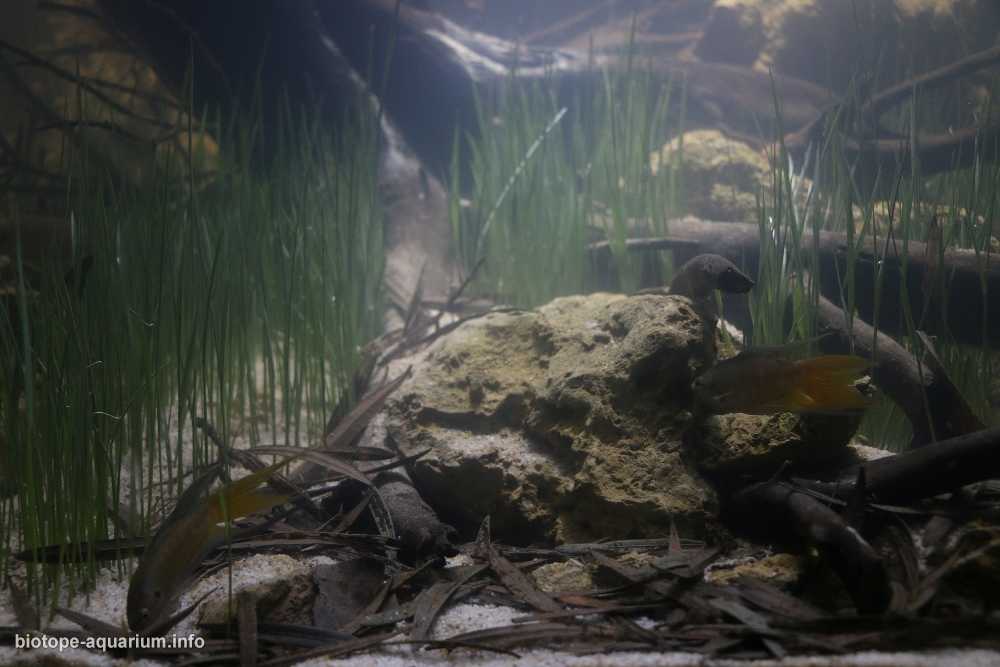
Description of the parameters of the habitat: Temperature is 28°C, pH varies from 6.3 to 6.8
栖息地参数描述:温度为 28°C,pH 值介于 6.3 至 6.8 之间。
List of fishes and invertebrates occurring in the nature biotope: Macropodus opercularis
自然生物群落中出现的鱼类和无脊椎动物列表:Macropodus opercularis
List of plants found in the nature biotope: Oryza rufipogon
自然生境中发现的植物名录:野生稻(Oryza rufipogon)
Threats to the ecology: In order for these genetic resources to retain its inherent preeminent properties, it is best to maintain that species at the place they are found and to find ways to protect the whole ecosystem. So is the ghost rice.
生态面临的威胁:为使这些遗传资源保留其固有的优异特性,最佳做法是在其原生地维持该物种,并设法保护整个生态系统。幽灵稻亦是如此。
However, the Mekong Delta is at risk of losing a lot of special species on heavy acid sulphate soils. The reason is that we have been looking for ways to improve acid sulfate soil for agricultural land.
然而,湄公河三角洲正面临在重度酸性硫酸盐土壤上丧失许多特有物种的风险。原因在于,我们一直在寻求改良酸性硫酸盐土壤以用于农业用地。
With a dense system of canals aimed at flood drainage, acid removal and alum, the heavy acid sulphate soils have decreased rapidly.
凭借旨在排洪、除酸和脱铝的密集运河系统,重酸性硫酸盐土壤已迅速减少。
Especially the dry-submerged regime and water quality are no longer in the natural law, so species survive because of their ability to adapt to the soil environment – harsh water has disappeared quickly. The biodiversity of this place is greatly reduced.
尤其是干湿交替制度与水质已不再遵循自然规律,因此物种仅凭其适应土壤环境的能力得以幸存——那些无法耐受恶劣水体的物种已迅速消失。该地的生物多样性大幅降低。
This hydrological regime changes physico-chemical properties of topsoil: less acidic soil, shorter drying time … so submerged species have fast growing conditions and dominate natural species, in there is a ghost rice
这种水文制度改变了表土的理化性质:土壤酸性减弱、干燥时间缩短……从而使沉水物种获得快速生长的条件并占据优势,其中便包括野生稻(鬼稻)。
In Tram Chim National Park ecosystem, ghost rice acts as a key species. They are an important source of food to sustain other species in particularly difficult periods such as deep water or drought.
在同塔梅十洲地区西部的越南同塔省湛森国家公园生态系统中,野生稻(鬼稻)扮演着关键物种的角色。它们是维持其他物种生存的重要食物来源,尤其在深水或干旱等特别艰难的时期。
Ghost roots, stems, leaves, and seeds are a source of food for many species during immense flood waters. Ghost rice seeds in soil are a source of starch for many species to survive in drought. Therefore, when the ghost rice disappears, the ecosystem of this ecosystem will be seriously disturbed.
在特大洪水期间,野生稻的根、茎、叶和种子是许多物种的食物来源。土壤中的野生稻种子则是许多物种在干旱时期赖以生存的淀粉来源。因此,一旦野生稻消失,该生态系统的平衡将受到严重扰乱。
It is easy to see that the species that rely on rice ghosts during deep or dry water will be reduced in number and gradually disappear first.
显而易见,那些在深水期或干旱期依赖野生稻的物种,其数量将会减少,并率先逐渐消失。
本文部分素材来自网络,如有类似请联系修改,如若转载,请注明出处:http://www.yangyubang.com/?p=2824