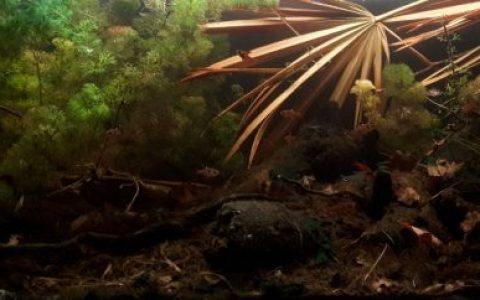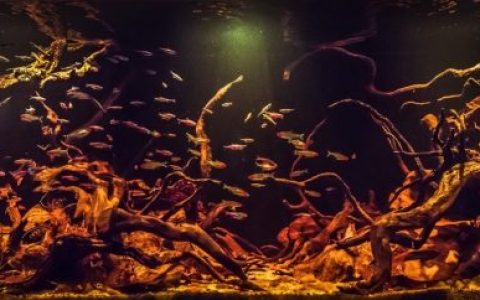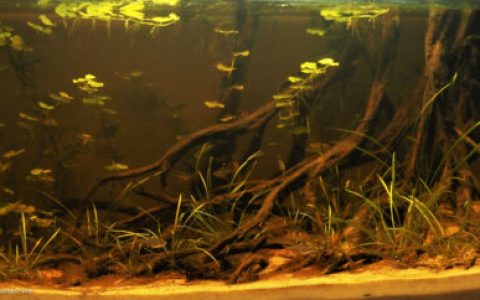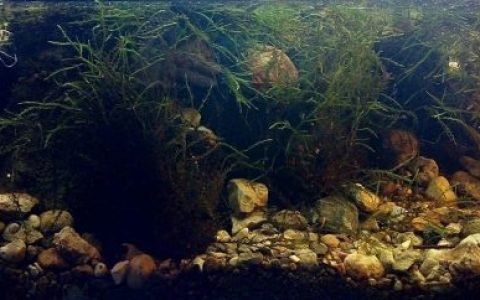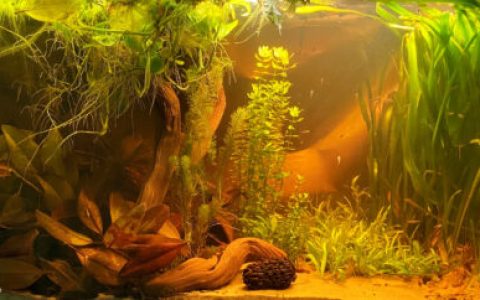
Volume: 270 L 水体容积:270 升
Dimensions: 100x60x45 cm 尺寸:100×60×45 厘米
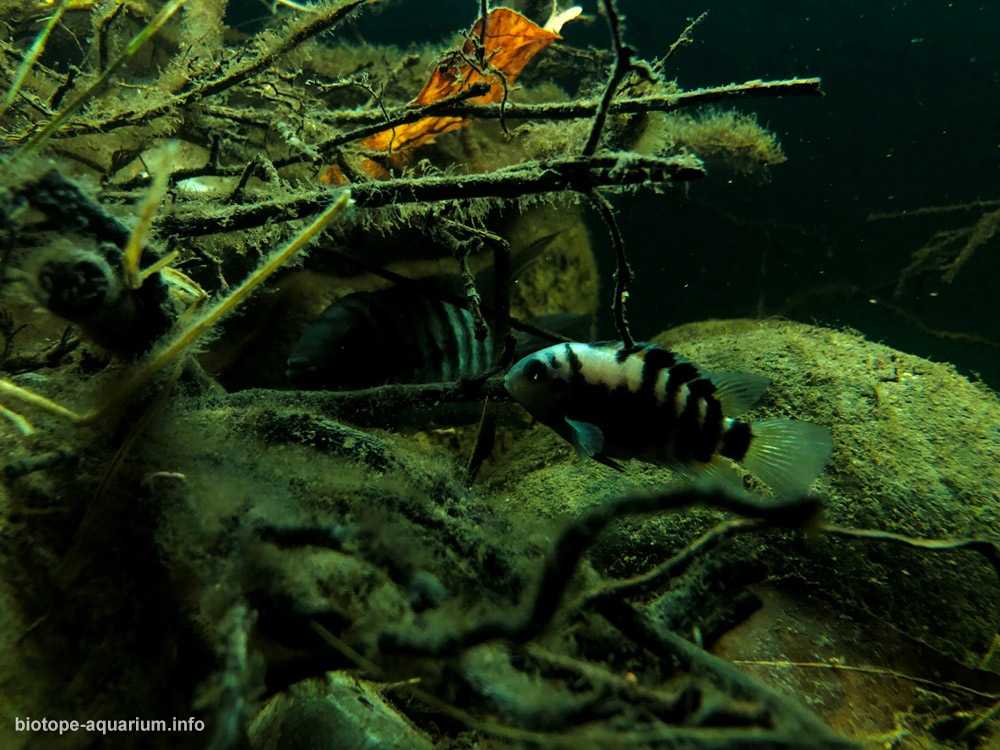
List of fishes: Amatitlania nigrofasciatum.
鱼类名录:黑带慈鲷(Amatitlania nigrofasciatum)。
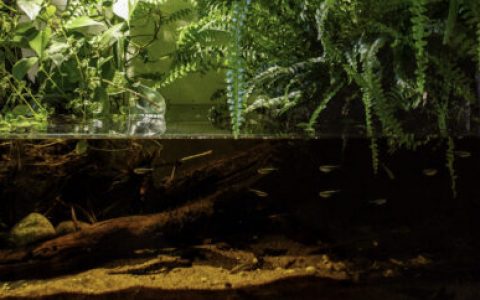
List of plants: Lemna minor , Pistia stratiotes, vallisneria sp.
植物名录:浮萍(Lemna minor)、大薸(Pistia stratiotes)、水兰属(Vallisneria sp.)。
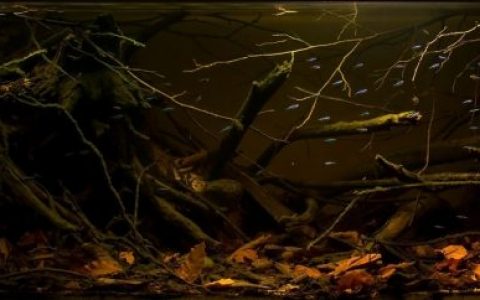
Description of decorations: – I only used natural ingredients. There’s fine sand
装饰描述:– 仅使用天然材料。底部铺设细沙
On the floor and gravel, rock, Oak-tree leaves and pieces.
底部铺有砾石、岩石以及橡树叶和碎片。
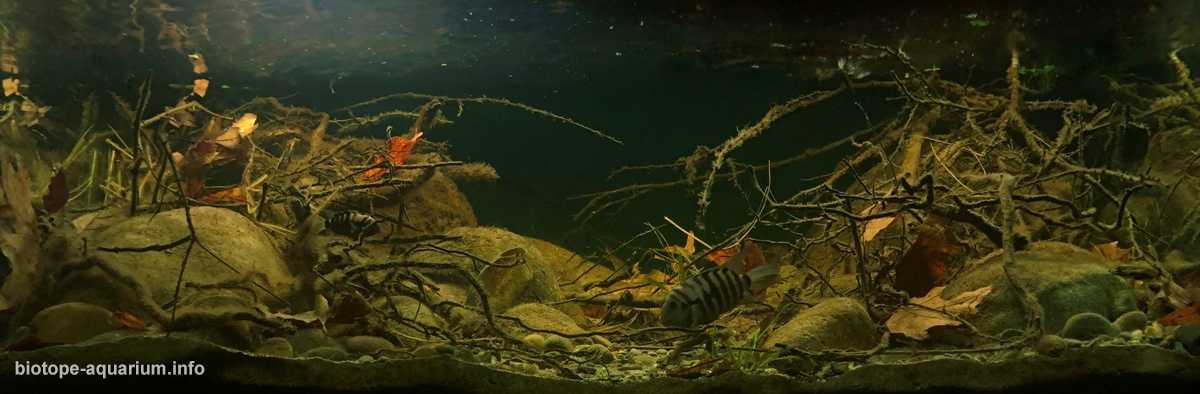
Description of equipment: Tetra EX 1200+ ,Jbl protemp S300, 2pcs 20 watt 6500 kelvin LED light.
设备描述:Tetra EX 1200+ 过滤器、Jbl protemp S300 加热棒,以及两盏 20 瓦、色温 6500K 的 LED 灯。
Water parameters: Temperature is 27°C, pH:7.5 gH: >14
水质参数:温度 27°C,pH 值 7.5,gH >14。
Additional info: 30% water change per week. and cleaning the filter once every 8 months.
补充信息:每周换水 30%,每 8 个月清洗一次过滤器。
INFORMATION ABOUT BIOTOPE
关于生物群落的信息
Description of the area surrounding the biotope: Lake Nicaragua; The area is 8.029 km2, the length is 164 km, the width is 72 km, the deepest point is 70 meters, It is 32 kilometers above sea level. The region between Central America and the USA and Peru is the largest freshwater lake. Rivas Cascade’le separated from the Pacific Ocean lake, the Tipatapa River discharges excess water. With a little foot on the northwest end.
生物群落周边区域描述:尼加拉瓜湖;该区域面积为 8,029 平方公里,长 164 公里,宽 72 公里,最深处达 70 米,湖面海拔 32 米。它是位于中美洲与美国及秘鲁之间最大的淡水湖。里瓦斯瀑布将其与太平洋隔开,蒂帕塔帕河负责排泄多余水量。其西北端有一小片陆地延伸。
The San Juan River, which flows from the south to the Caribbean Sea, forms the eastern part of the Nicaragua-Costa Rica border.
圣胡安河自南向北流入加勒比海,构成了尼加拉瓜与哥斯达黎加边界的东段。
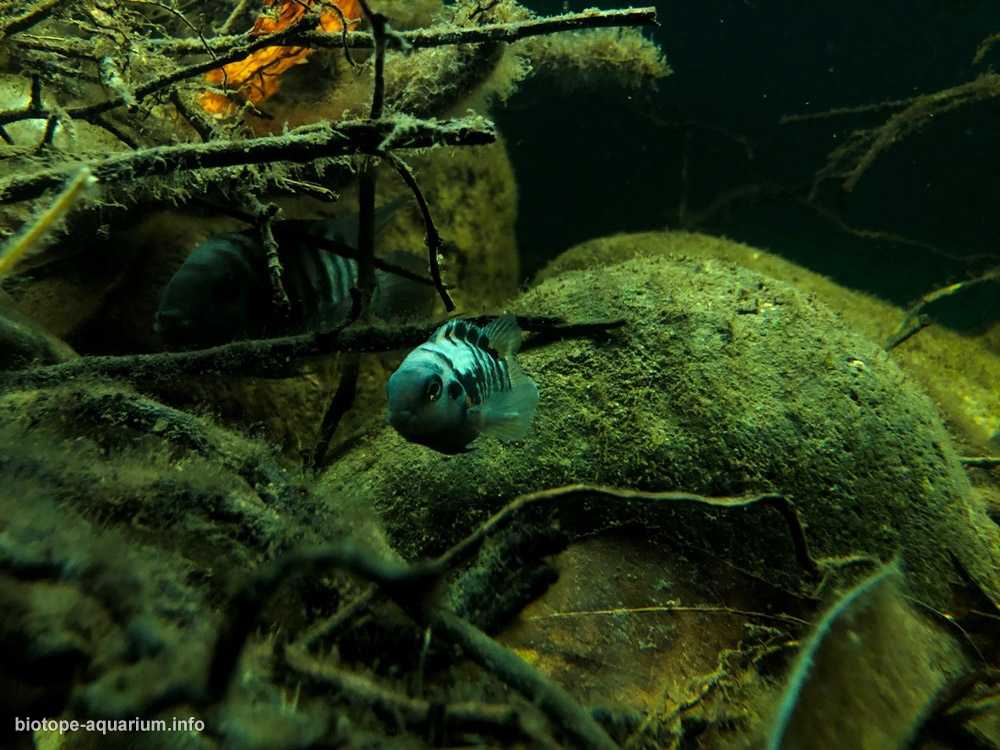
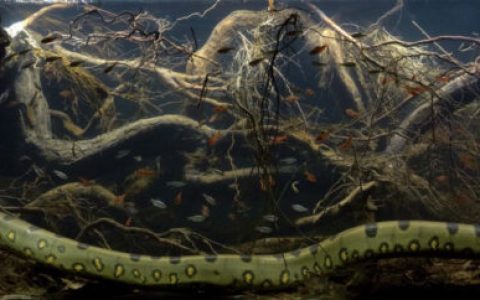
Description of the underwater landscape of the biotope: The bottom has whitish sand and some gravel ,along the edge rocks. Driftwood is found in this habitat.There are some swamp plants like Echinodorus sp. Which grows out of the water and can be found along the lake or river bank,also Mayaca fluviatilis and some floating plants ( e.g. najas guadalupensis,Pistia stratiodes ,Salvinia auriculata)submerse only Vallisneria americana.)
生物群落水下景观描述:湖底分布着白色沙粒和部分砾石,边缘则有岩石。该栖息地中可见沉木。存在一些沼泽植物,如能挺水生长并常见于湖泊或河岸的皇冠草属(Echinodorus sp.),以及狐尾藻(Mayaca fluviatilis)和一些浮水植物(例如:瓜达卢普黑藻 [Najas guadalupensis]、大薸 [Pistia stratiodes]、耳叶槐叶萍 [Salvinia auriculata]);完全沉水的仅有美洲苦草(Vallisneria americana)。
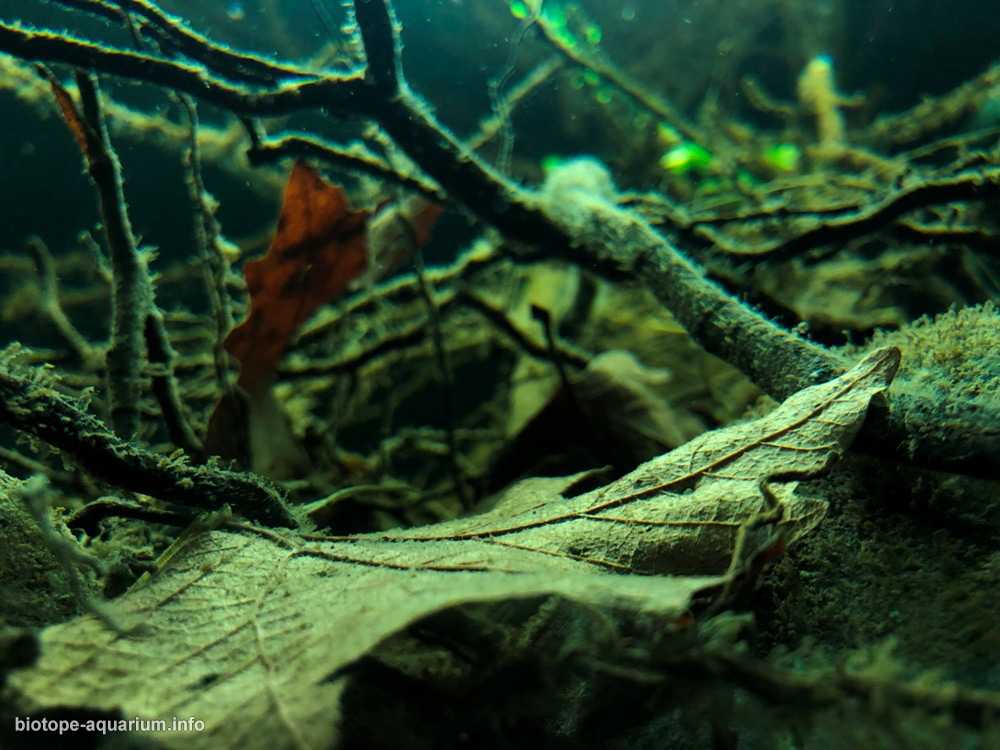
Description of the parameters of the habitat: Measurements made at different points of Lake Nicaragua
栖息地参数描述:在尼加拉瓜湖不同点位进行的测量数据
The temperature ranges between 24-30 ° C and pH 7-9. pH is particularly high Due to high photosynthesis on the surface and close to the shore. As depths and inclusions progress, Level down to 7.5. Hardness is moderate. Chemical water parameters: pH 5,6, conductivity 200 / cm, temperature up to 29 ° C
水温介于 24-30°C,pH 值为 7-9。由于水面及近岸区域光合作用强烈,pH 值尤其偏高;随着水深增加及环境变化,pH 值可降至 7.5。硬度适中。化学水质参数:pH 5.6,电导率 200 µS/cm,温度最高可达 29°C。
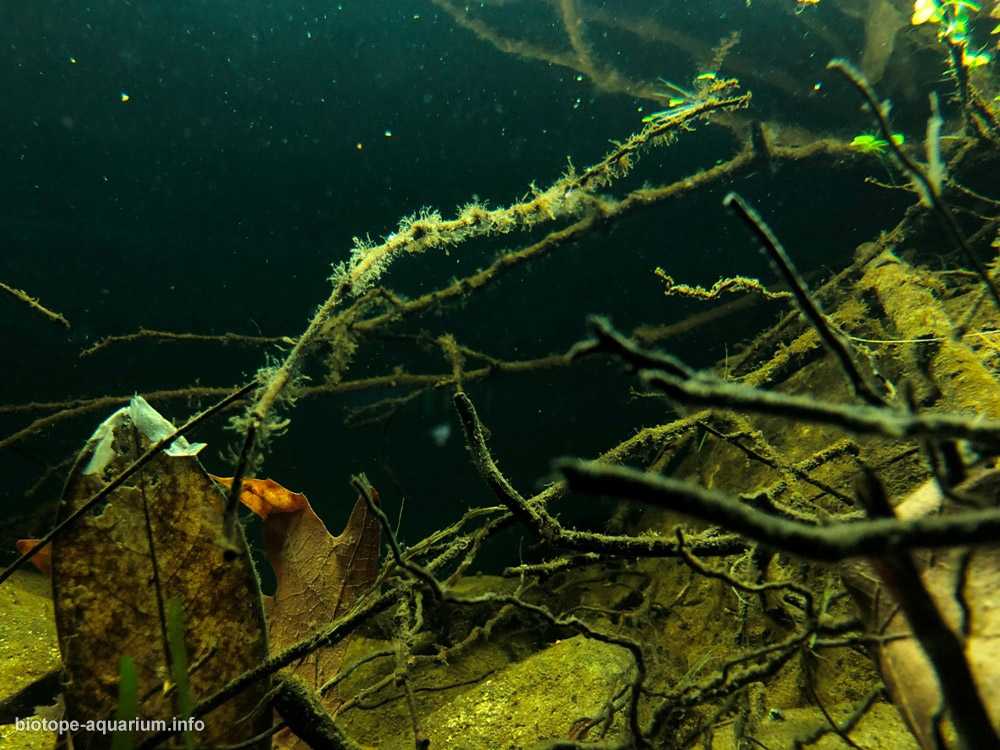
List of fishes and invertebrates occurring in the nature biotope: Lake Nicaragua does not only host Cichlids.
该自然生境中出现的鱼类和无脊椎动物名录:尼加拉瓜湖并非仅栖息着慈鲷。
The most famous member of the sword tail and mole, which is very common in our country, hosts the most common live births.
剑尾鱼属和花鳉属中最著名的成员(在我国非常常见)在此繁衍生息,它们是最常见的卵胎生鱼类。
Also living in large groups on the shallow shores of this lake. Ghost shrimp and cambarellus freshwater crayfish
幽灵虾和坎巴雷鲁斯淡水螯虾也成群生活于该湖的浅水岸边。
His family are the most typical invertebrates of this lake. Rhamdia catfish and crocodile fish are predators of the lake.
该湖中最典型的无脊椎动物属于他的家族。拉姆迪亚鲶鱼和鳄形鱼是湖中的掠食者。
Cichlids in the aquarium hobby are rainbow, zebra, midas, macav, dovii, jaguar, black belt. Amphilophus is the only endemic life. Although it hosts vast cichlids such as Amphilophus labiatus (red devil), amatitlania, archocentrus, cryptoheros, excichlasoma, Parachromis, Vieja and Paratheraps families. Hypsophrys nicaraguensis, Archocentrus multispinosa, Gambusia affinis, Amatitlania nigrofasciata, Achirus mazatlanus, Acromycter atlanticus, Gonostomus monticola, Alfaro cultratus, Alfaro huberi, Amatitlania nigrofasciata, Amatitlania septemfasciata, Amatitlania siquia, Amphilophus amarillo, Amphilophus astorquii, Amphilophus chancho,
水族爱好中常见的慈鲷包括彩虹慈鲷、斑马慈鲷、迈达斯慈鲷、马卡夫慈鲷、多维慈鲷、美洲虎慈鲷和黑带慈鲷。只有双冠丽鱼属(Amphilophus)是该湖的特有生物。尽管该湖栖息着众多慈鲷,如红魔鬼(双冠丽鱼,Amphilophus labiatus)、阿马蒂特兰丽鱼属(amatitlania)、弓背丽鱼属(archocentrus)、隐丽鱼属(cryptoheros)、真丽鱼属(excichlasoma)、副丽鱼属(Parachromis)、维耶贾丽鱼属(Vieja)以及帕拉瑟拉普斯丽鱼属(Paratheraps)等。其中包括尼加拉瓜高体丽鱼(Hypsophrys nicaraguensis)、多棘弓背丽鱼(Archocentrus multispinosa)、食蚊鱼(Gambusia affinis)、黑带阿马蒂特兰丽鱼(Amatitlania nigrofasciata)、马萨特兰舌鳎(Achirus mazatlanus)、大西洋康吉鳗(Acromycter atlanticus)、山地巨口鱼(Gonostomus monticola)、刀尾阿尔法罗鱼(Alfaro cultratus)、胡伯阿尔法罗鱼(Alfaro huberi)、黑带阿马蒂特兰丽鱼(Amatitlania nigrofasciata)、七带阿马蒂特兰丽鱼(Amatitlania septemfasciata)、西基亚阿马蒂特兰丽鱼(Amatitlania siquia)、黄双冠丽鱼(Amphilophus amarillo)、阿斯托尔基双冠丽鱼(Amphilophus astorquii)、钱乔双冠丽鱼(Amphilophus chancho),
Amphilophus citrinellus, Amphilophus flaveolus, Amphilophus globosus, Amphilophus labiatus, Amphilophus sagitta, Amphilophus supercilius, Amphilophus tolteca, Amphilophus viridis, Amphilophus xiloaensis, Amphilophus zaliosus
柠檬双冠丽鱼(Amphilophus citrinellus)、淡黄双冠丽鱼(Amphilophus flaveolus)、球状双冠丽鱼(Amphilophus globosus)、红魔鬼双冠丽鱼(Amphilophus labiatus)、箭形双冠丽鱼(Amphilophus sagitta)、眉脊双冠丽鱼(Amphilophus supercilius)、托尔特克双冠丽鱼(Amphilophus tolteca)、绿双冠丽鱼(Amphilophus viridis)、希洛阿双冠丽鱼(Amphilophus xiloaensis)、扎利奥苏斯双冠丽鱼(Amphilophus zaliosus)。
Anchoa parva, Anguilla rostrata, Archocentrus centrarchus, Ariopsis assimilis, Ariopsis seemanni, Astyanax aeneus, Astyanax cocibolca, Astyanax nasutus, Astyanax nicaraguensis, Atherinella argentina, Atherinella hubbsi, Atherinella jiloaensis, Atherinella sardina, Atractosteus tropicus, Awaous banana, Belonesox belizanus, Brachyrhaphis holdridgei, Bramocharax bransfordii, Brycon costaricensis, Brycon guatemalensis, Carcharhinus leucas, Carlana eigenmanni, Cathorops fuerthii, Cathorops steindachneri, Centropomus ensiferus, Centropomus nigrescens, Centropomus parallelus, Centropomus pectinatus, Citharichthys gilberti, Cribroheros alfari, Cribroheros longimanus, Cribroheros rostratus, Cryptoheros spilurus, Ctenogobius claytonii, Cynodonichthys isthmensis, Cyprinus carpio, Dormitator latifron, Dorosoma chavesi, Eleotris picta, Eleotris pisonis, Erotelis smaragdus, Eucinostomus argenteus, Eucinostomus currani, Eucinostomus gracilis, Eugerres plumieri, Gambusia nicaraguensis, Gerres cinereus, Gobioides peruanus, Gobiomorus dormitory, Gobiomorus maculatus, Hemieleotris latifasciata, Herotilapia multispinosa, Hypsophrys nematopus, Hypsophrys nicaraguensis, Joturus pichardi, Kuhlia mugil, Lile stolifera, Mayaheros urophthalmus, Microphis lineatus, Mugil cephalus,
小鳀、美洲鳗鲡、中棘丽鱼、拟海鲶、西曼海鲶、铜色魮脂鲤、科西博尔卡魮脂鲤、尖吻魮脂鲤、尼加拉瓜魮脂鲤、阿根廷银汉鱼、哈氏银汉鱼、希洛阿银汉鱼、沙丁银汉鱼、热带雀鳝、香蕉虾虎鱼、伯利兹颌针鱼、霍尔德里奇短脊鳉、布兰斯福德 Bramocharax 鱼、哥斯达黎加布氏脂鲤、危地马拉布氏脂鲤、公牛真鲨、艾根曼卡尔拉鱼、弗氏拟海鲶、施氏拟海鲶、剑鳍锯盖鱼、黑锯盖鱼、平行锯盖鱼、栉齿锯盖鱼、吉尔伯特扁鲆、阿尔法里筛丽鱼、长臂筛丽鱼、喙筛丽鱼、斑点隐丽鱼、克莱顿栉虾虎鱼、地峡犬齿鳉、鲤鱼、宽额塘鳢、查韦斯鲥鱼、彩绘电鳗、皮氏电鳗、翡翠爱罗鱼、银色尤氏石首鱼、柯氏尤氏石首鱼、纤细尤氏石首鱼、普氏欧格鱼、尼加拉瓜食蚊鱼、灰鲻形石首鱼、秘鲁泥鳅、穴居虾虎鱼、斑纹虾虎鱼、宽带半丽鱼、多刺赫罗丽鱼、线足高体丽鱼、尼加拉瓜高体丽鱼、皮查尔迪约图鲁鱼、库利亚鲻鱼, 小鳞鲱、玛雅慈鲷、线纹海龙、鲻鱼,
Mugil curema, Oligoplit palometa, Oncorhynchus tshawytscha, Oreochromis aureus, Oreochromis mossambicus, Oreochromis niloticus, Oxyzygonectes dovii, Parachromis dovii, Parachromis friedrichsthalii, Parachromis loisellei, Parachromis managuensis, Phallichthys amates, Phallichthys tico, Poecilia mexicana, Pomadasys ladies, Pomadasys crocro, Priapichthys panamensis, Pseudophallus mindii, Pseudophallus starksii, Rhamdia guatemalensis, Rhamdia laticauda, Rhamdia nicaraguensis, Rhamdia quelen, Roeboides bouchellei, Sicydium salvini, Strongylura exilis, Strongylura marina, Synbranchus marmoratus, Tomocichla tuba, Vieja maculicauda, Xenophallus umbratilis. species in this basin.
库雷马鲻、帕洛梅塔寡脂鲤、帝王鲑、奥利亚罗非鱼、莫桑比克罗非鱼、尼罗罗非鱼、多氏氧齿鳉、多氏副丽鱼、弗里德里希斯塔尔副丽鱼、洛伊塞勒副丽鱼、马那瓜副丽鱼、阿马特阳齿鳉、蒂科阳齿鳉、墨西哥花鳉、女士石首鱼、克罗克罗石首鱼、巴拿马普里亚皮鱼、明迪拟全齿鳉、斯塔克斯拟全齿鳉、危地马拉油鲇、宽尾油鲇、尼加拉瓜油鲇、奎伦油鲇、布谢尔圆腹脂鲤、萨尔文尼溪鳅、细弱颌针鱼、海洋颌针鱼、大理石合鳃鱼、管状托莫慈鲷、斑尾维加慈鲷、荫蔽异鳉。均为该流域物种。
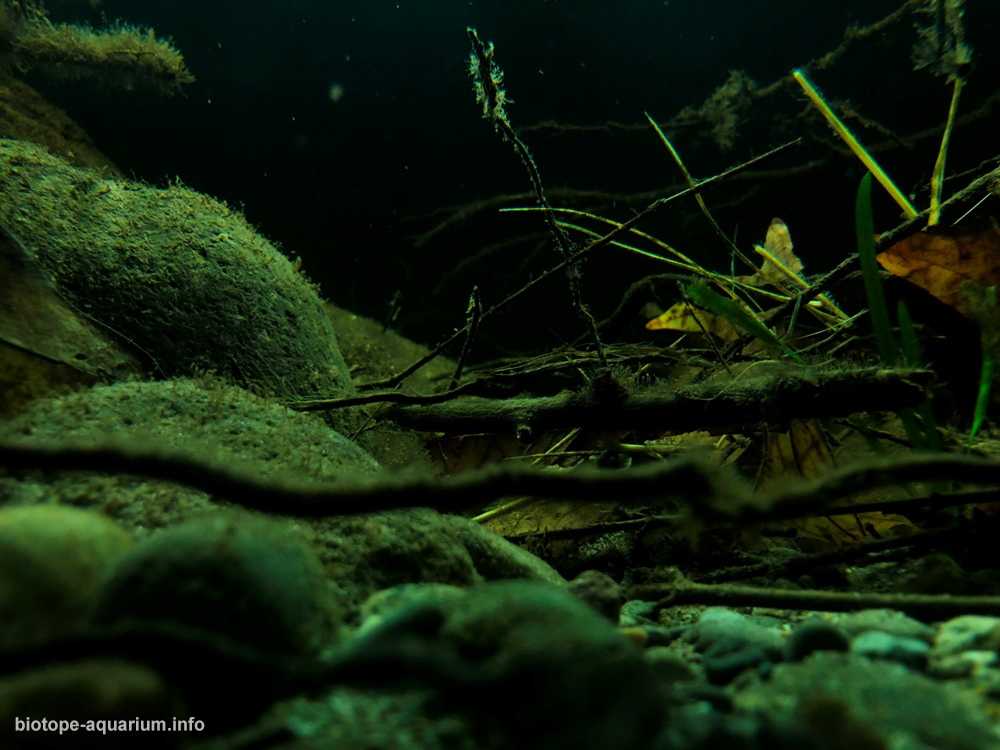
List of plants found in the nature biotope: The following plant species were found in Nicaragua lake. -Echinodorus sp, Mayaca fluviatilis, najas guadalupensis, Salvinia auriculata, Lemna minor.
自然生境中发现的植物名录:以下植物物种发现于尼加拉瓜湖。- 皇冠草属(Echinodorus sp.)、河川苔草、瓜达卢佩茨藻、耳叶槐叶萍、浮萍。
Threats to the ecology: Despite the enormous ecosystem in and around the lake, Despite being an important potential source for potable water and despite its large attraction for ecological and sustainable tourism Lake Nicaragua does face problems of contamination that could become much worse in the middle-long term (and some in the short term as well) if necessary steps to prevent so are not taken. Even though this situation Has been publicly acknowledged by institutions, organizations, experts, and citizens there is not yet a national plan that addresses
对生态的威胁:尽管尼加拉瓜湖及其周边拥有庞大的生态系统,尽管它是重要的潜在饮用水源,并且对生态与可持续旅游具有巨大吸引力,但尼加拉瓜湖仍面临污染问题。若不采取必要预防措施,这些问题在中长期可能急剧恶化(部分甚至在短期内就会显现)。尽管这一状况已得到机构、组织、专家及公众的公开承认,但目前尚未制定出针对
Conservation of this beautiful lake. There are three principal contamination threats and although at this time all three of them can be controlled or eliminated It does require effort and commitment by all parties and authorities involved, as well as support of the population. The main problem and source of contamination for Lake Nicaragua are related to the discharge of wastewater that comes From the urban zones at the shores of the lake. In spite of the clear contamination That results from this practice, large cities as Granada, Rivas and Juigalpa and many small towns still lead their sewage from residential areas
该美丽湖泊保护的国家计划。主要存在三大污染威胁,虽然目前这三者均可得到控制或消除,但这需要所有相关方和当局付出努力并作出承诺,同时也离不开民众的支持。尼加拉瓜湖的主要污染问题及来源,与沿湖城市区域排放的废水有关。尽管这种做法导致了明显的污染,格拉纳达、里瓦斯和胡伊加尔帕等大城市以及众多小镇仍继续将居民区的污水排入湖中。
But even from industrial zones to the lake (either directly or through a river that terminates in the lake). Consequently, coastal areas close to these urban centers have to deal with the waste that is not biodegradable Which surfaces in front of the settlements. The second largest problem comes from the agricultural industry in the coastal areas. The fertile soil next to the lake provides a great site for cattle farming and plantations.
但即使是从工业区到湖泊(无论是直接排放还是通过注入湖泊的河流),靠近这些城市中心的沿海地区也不得不面对那些无法生物降解、并堆积在居民区前方的废弃物。第二大问题来自沿海地区的农业产业。湖泊旁肥沃的土壤为养牛业和种植园提供了极佳的场所。
In the departments of Chontales, Boaco and Rivas there are many places where people farm without protecting the lake whatsoever, leading to contamination with enormous quantities of fertilizers ending up in the water. Another even more important impact is caused by the nearby agricultural haciendas that contaminate the rivers Flowing into the lake by the unprotected usage of chemicals at their plantations.
在琼塔莱斯省、博阿科省和里瓦斯省,有许多地方的人们在进行农耕时完全未对湖泊采取任何保护措施,导致大量化肥进入水体造成污染。另一个更为严重的影响则来自附近的农业庄园,它们在种植园中不加防护地使用化学品,从而污染了流入湖泊的河流。
This problem is mostly visible at the southern side of the lake on Nicaraguan territory But also on Costa Rican soil (as these rivers also terminate in Lake Nicaragua). The third problem is a controversial issue related to the recent introduction of new fish species inside floating cages in the lake. Although the foreign firm that develops this project obtained the governmental permits And even though the fish breeding has already started, there has been strong disapproval by ecologists, Social organizations and communities ever since the beginning. The problem, the critics point out, is that the huge quantity of Tilapia fish Generates large waste quantities that the lake has to adsorb. The biologists also warn that the Tilapia might bring diseases that the endemic fish are not prepared for. What is currently necessary is implementation of measures by the national authorities to face the aforementioned Problems and to prevent other problems that might threaten the lake in the future. Several organizations are already promoting the Idea of preserving and protecting Lake Nicaragua, but so far these issues lack importance on the national agenda. In addition to the large tourism potential, the lake also has a potential to function as source for potable water for national use and export.
这一问题主要在尼加拉瓜境内的湖泊南岸显现,但也波及哥斯达黎加境内(因为这些河流同样注入尼加拉瓜湖)。第三个问题则颇具争议,涉及近期在湖中浮式网箱内引入新鱼种的举措。尽管开发该项目的外国公司已获得政府许可,且鱼类养殖业已启动,但自项目伊始便遭到生态学家、社会组织和当地社区的强烈反对。批评者指出,问题在于大量罗非鱼产生的巨量废物需由湖泊自行吸收。生物学家还警告称,罗非鱼可能携带本地特有鱼类无法抵御的疾病。当前亟需国家当局采取措施,应对上述问题并防范未来可能威胁湖泊的其他隐患。已有多个组织倡导保护尼加拉瓜湖,但迄今为止,这些议题在国家议程中仍未得到足够重视。 除了巨大的旅游潜力外,该湖还具有作为国家用水及出口饮用水水源的潜力。
The Centrum of Investigations of the Aquatic Resources (Centro de Investigación de los Recursos Acuáticos), CIRA-UNAN, indicates That the lake discharges 478 cubic meters of water per second through the San Juan River (registered by the Nicaraguan Institute of Territorial Studies – INETER). Per day this amounts to 41.3 million cubic meters. This water can become an important renewable source of income if commercialized. The CIRA therefore warns not to let companies and private producers contaminate the lake. At this moment the UNESCO has already received a petition from the Nicaraguan government to declare Lake Nicaragua World Heritage. The authorities and the hundreds of communities set around the lake have expressed their enthusiasm and hopefully the UNESCO will grant the request. But in order to protect the lake the national and local government, as well as every Nicaraguan Citizen and foreigner that wants to enjoy this lake, should become involved and act in order to preserve this natural treasure!
水生资源研究中心(Centro de Investigación de los Recursos Acuáticos,简称 CIRA-UNAN)指出,该湖通过圣胡安河每秒排放 478 立方米的水量(由尼加拉瓜领土研究所 INETER 记录)。每日排放量达 4130 万立方米。若加以商业化利用,这些水资源可成为重要的可再生收入来源。因此,CIRA 警告不要让企业和私人生产者污染湖泊。目前,联合国教科文组织已收到尼加拉瓜政府提交的申请,请求将尼加拉瓜湖列为世界遗产。当局以及环湖分布的数百个社区对此表示热烈支持,希望联合国教科文组织能够批准该申请。然而,为了保护湖泊,国家和地方政府、每一位尼加拉瓜公民以及所有希望享受这片湖泊的外国人士,都应当积极参与并采取行动,共同守护这一自然瑰宝!
本文部分素材来自网络,如有类似请联系修改,如若转载,请注明出处:http://www.yangyubang.com/?p=3284