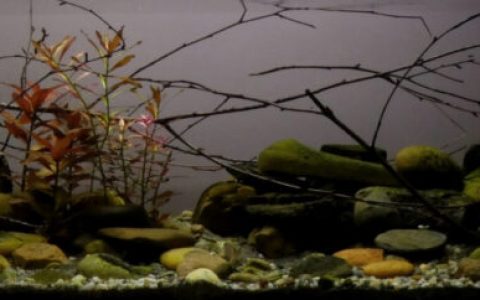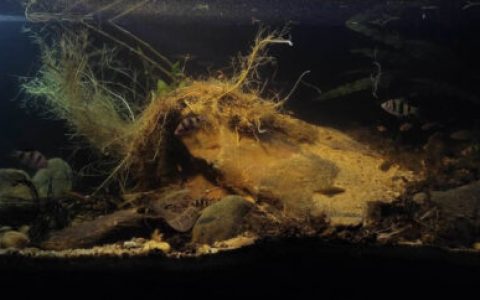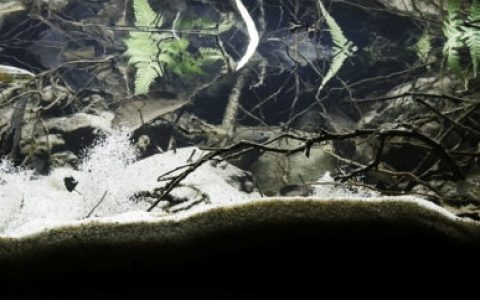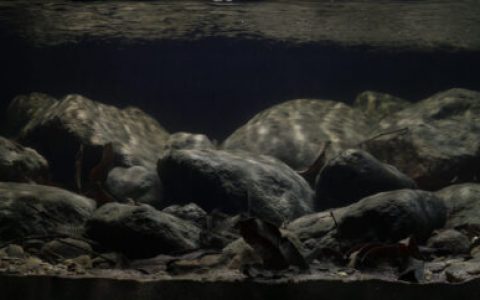
Volume of your aquarium: 56 l
您的水族箱容积:56 升
Dimensions of your aquarium: 50x35x32 cm
您的水族箱尺寸:50x35x32 厘米
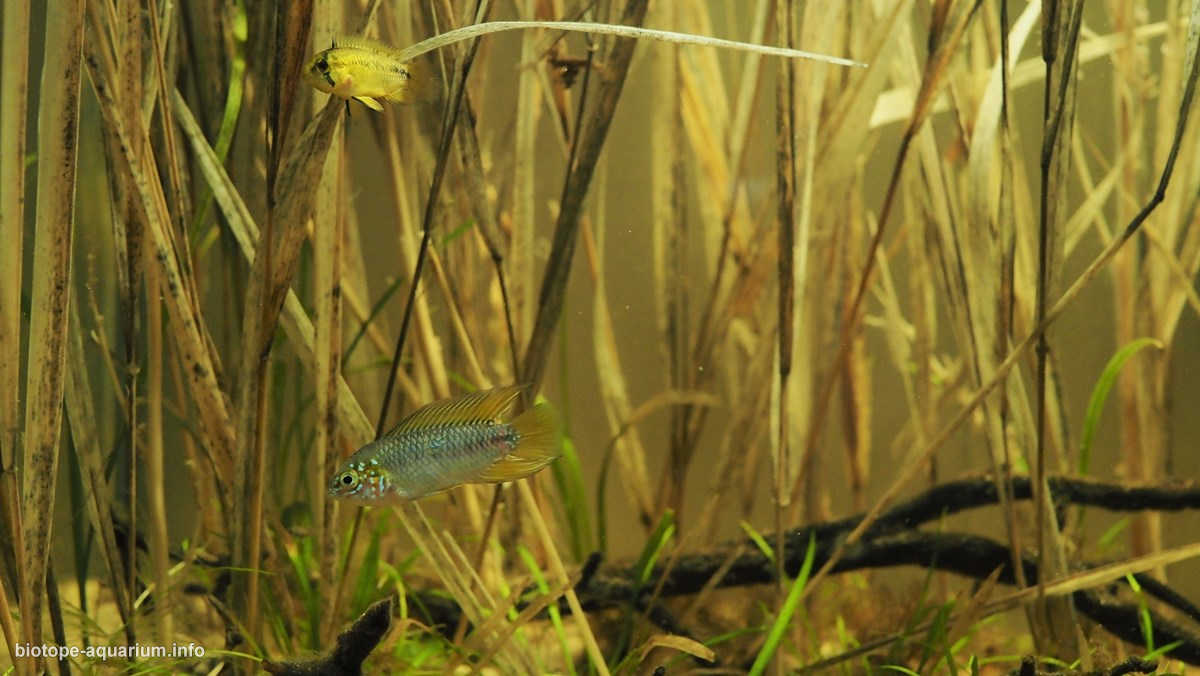
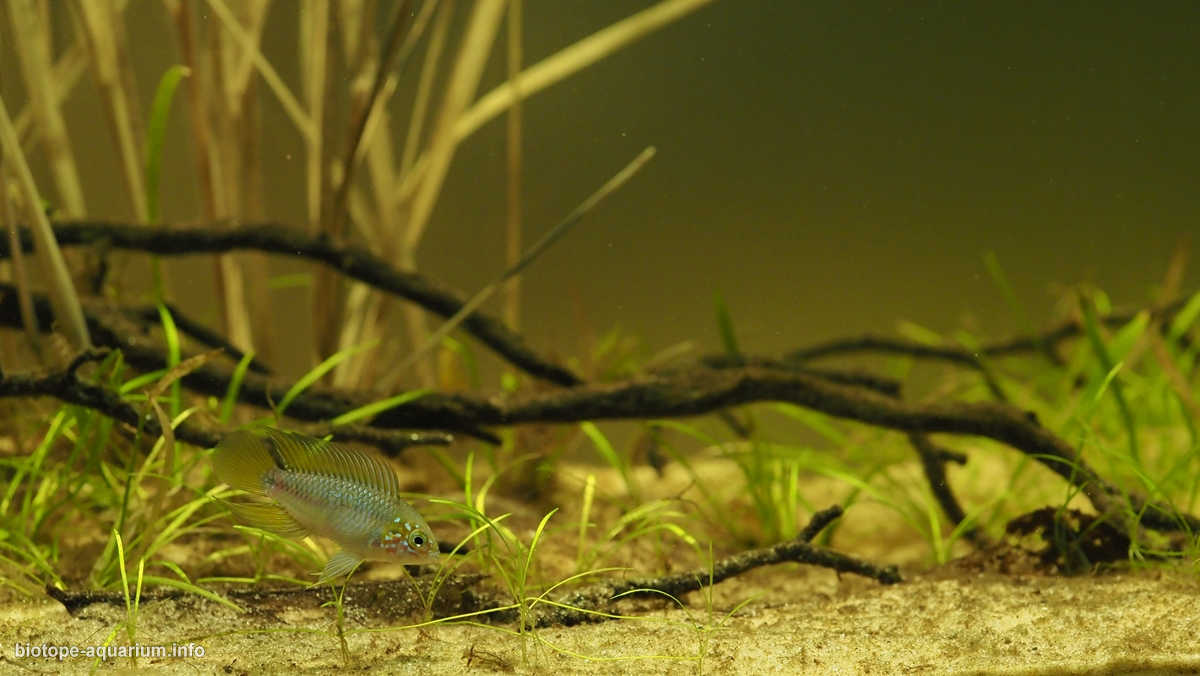
List of fishes: Apistogramma borelli
鱼类名录:Apistogramma borelli
List of plants: Helanthium tenellum
植物列表:Helanthium tenellum
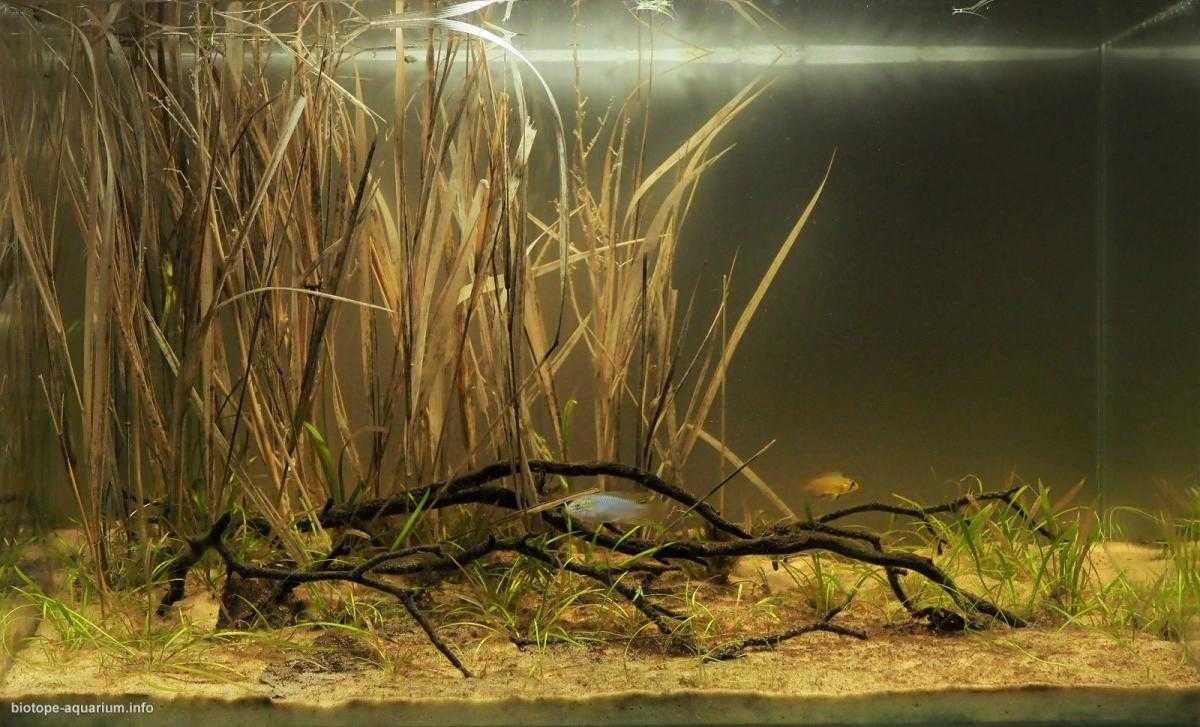
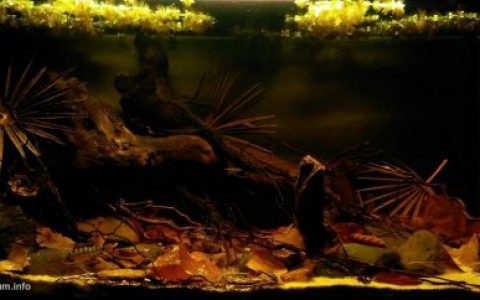
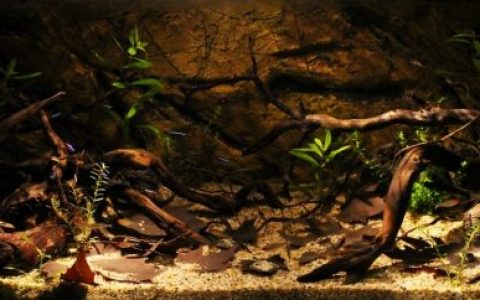
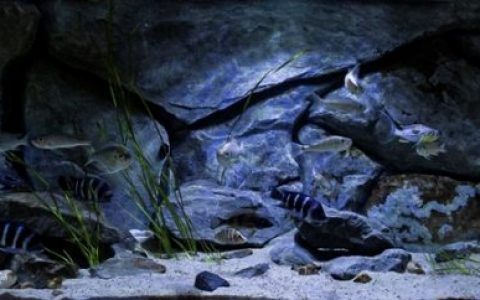
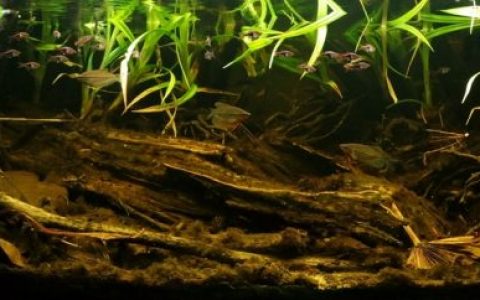
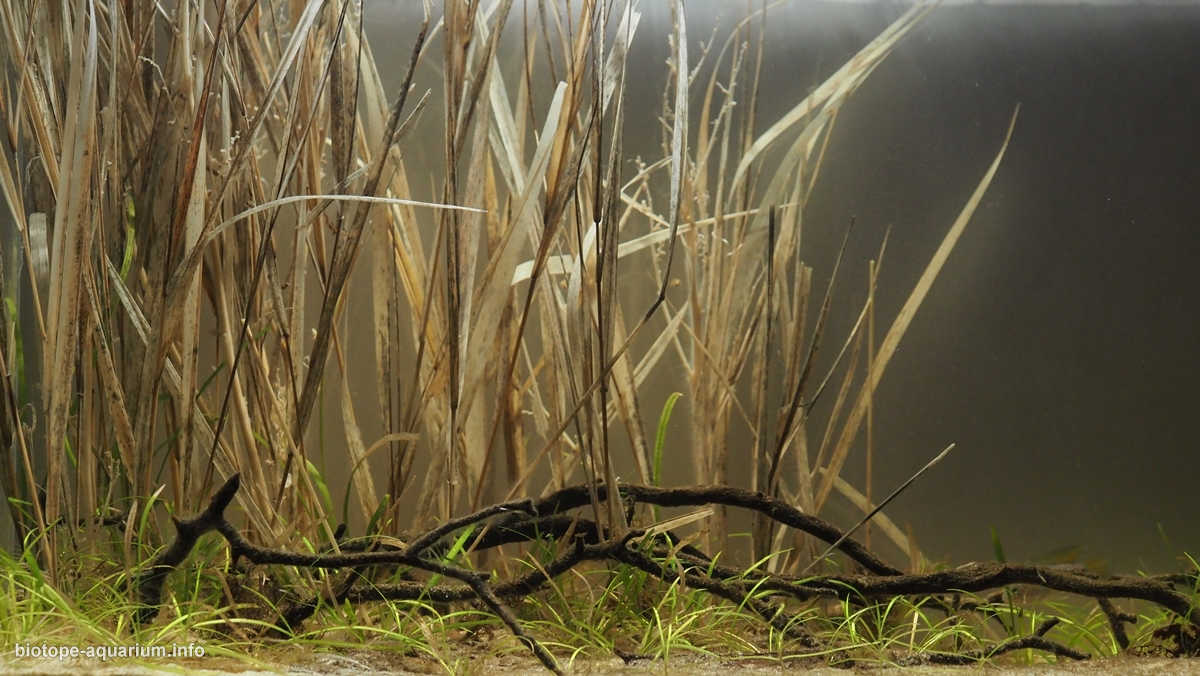
Description of Decorations and Substrate: Long dried meadows and fine sand were designed to resemble those in nature. There are a few dried leaves on the ground and dry branches coming in waves.
装饰与底砂描述:长条状的干草地与细沙被设计成模仿自然生境。地面散落着几片枯叶,干枯的树枝呈波浪状布置。
Description of Equipment: Waterfall filter 240 h/liters, jbl heather 50 W, floodlight 6500 K-10 W.
设备描述:瀑布式过滤器(流量 240 升/小时)、JBL 加热器 50 瓦、泛光灯(色温 6500 K,功率 10 瓦)。
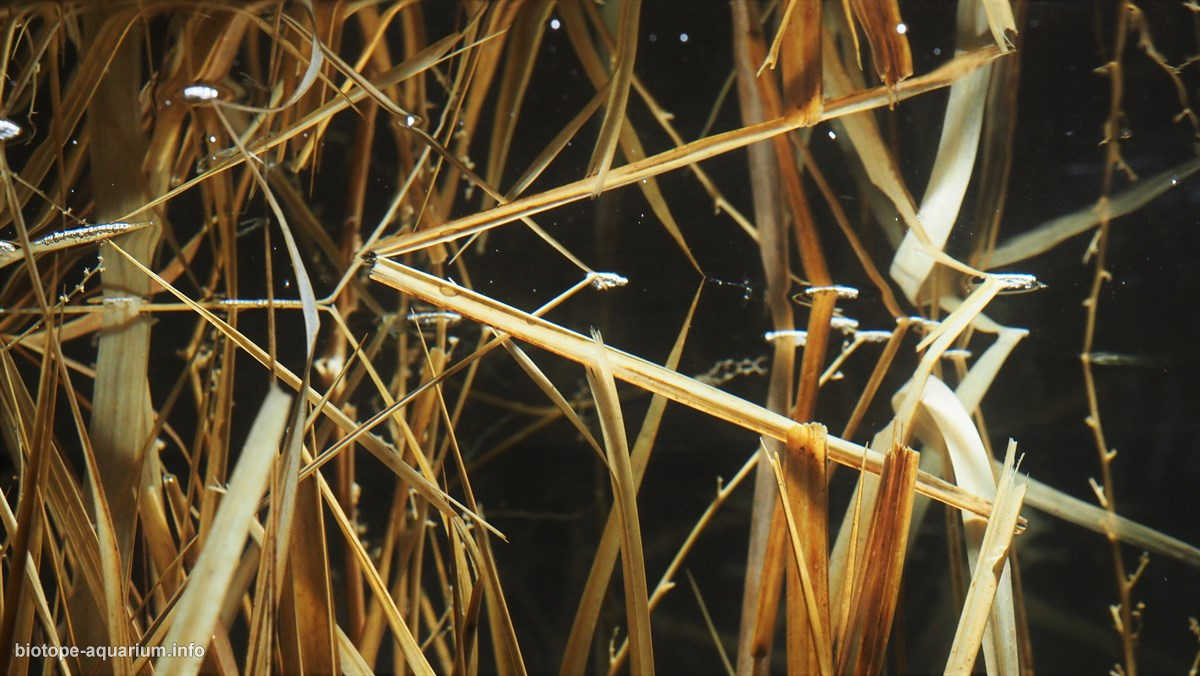
Water Parameters: 24 °C , 6 gH, 4 kH, 125 ppm, 0-10 mg NO3.
水质参数:24 °C,总硬度 6 gH,碳酸盐硬度 4 kH,溶解性总固体 125 ppm,硝酸盐 0–10 mg/L。
Additional Info: The filter contains Seachem denitrate; very low nitrate is formed with the height of sand at the bottom. Since the water quality is good, I do 10-15% water changes every two weeks. I feed them with good quality dry food and live food.
附加信息:过滤器中含有 Seachem Denitrate;由于底部沙层较厚,形成的硝酸盐含量极低。鉴于水质良好,我每两周进行一次 10-15% 的换水。我以优质干饲料和活饵投喂它们。
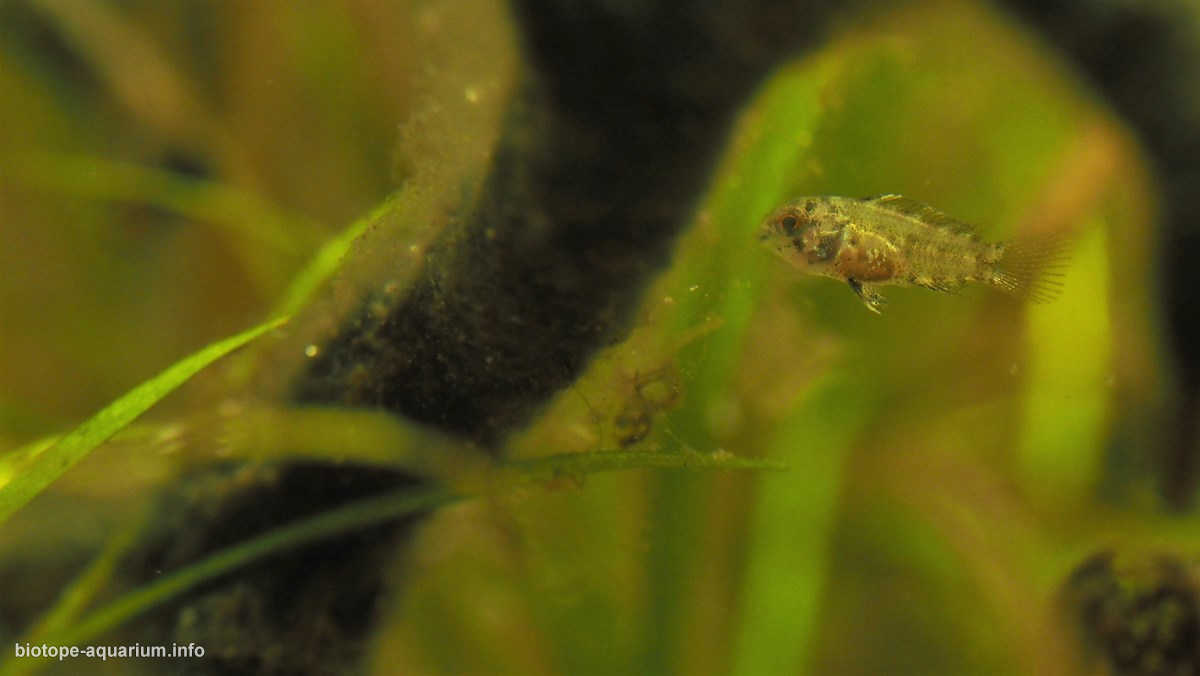
Aquarium video: 水族箱视频:
Description of the Area Surrounding the Biotope: The Paraná River originates in central South America, from the southeastern plateau of Brazil, joins the Uruguay River and empties into the Atlantic Ocean through the Rio de la Plata Estuary. It is the longest river on the continent after the Amazon.
生物栖息地周边环境描述:巴拉那河发源于南美洲中部,源自巴西东南部高原,与乌拉圭河汇合后,经由拉普拉塔河口注入大西洋。它是仅次于亚马逊河的南美第二长河。
The length of the river is 4,880 km, its basin is 2.582,672 km², and the annual average flow is 17,290 m³/s. The catchment covers most of southeastern Brazil, Paraguay, Bolivia and Argentina.
该河全长 4,880 公里,流域面积达 2,582,672 平方公里,年平均流量为 17,290 立方米/秒。其集水区覆盖了巴西东南部、巴拉圭、玻利维亚和阿根廷的大部分地区。
It takes the name Upper Parana from its source to the junction with the Uruguay River. It is formed by the union of the Upper Parana Grand and Paranaíba tributaries. Flowing south, it receives the Tiete, Paranapanema and Iguaçu rivers on the right. After taking the Iguazu River, it forms the Brazil-Paraguay border and later the Argentina-Paraguay border.
从源头到与乌拉圭河交汇处,该河段被称为上巴拉那河。它由格兰德上巴拉那河(Upper Parana Grand)与帕拉奈巴河(Paranaíba)两条支流汇合而成。向南流经途中,右岸接纳了铁特河(Tiete)、帕拉纳帕内马河(Paranapanema)和伊瓜苏河(Iguaçu)。在汇入伊瓜苏河后,它构成了巴西与巴拉圭的边界,随后又成为阿根廷与巴拉圭的界河。
The Iguazu River separates the Argentina-Brazil-Paraguay countries from each other in the area where it joins with Parana[1]. Before merging with the Parana River, it forms the Iguazú Falls.
伊瓜苏河在其与巴拉那河汇合的区域将阿根廷、巴西和巴拉圭三国彼此分隔 [1]。在汇入巴拉那河之前,它形成了伊瓜苏瀑布。
Description of the Underwater Landscape of the Biotope: In the rainy season, rising waters cover the Corrientes savannas. The ground is covered with flooded meadows and dry grass. It forms a brown soil or white fine sand substrate. The water is clean and clear. In times of flood, dry leaves and dry branches are carried to the ponds with the floods.
生物群落水下景观描述:在雨季,上涨的河水淹没了科连特斯的稀树草原。地面被淹没的草地和干草覆盖,形成棕色土壤或白色细沙基质。水质洁净清澈。洪水期间,枯叶和枯枝随洪水被带入池塘。
Description of the Habitat Parameters: The waters in the region are clean and transparent. Winter is 16-18 °C, summer is 22-27 °C and is cool. The pH varies between 6.0-7.4 throughout the year. The waters are moderate; 50-200ppm.
栖息地参数描述:该地区水域洁净透明。冬季水温为 16–18°C,夏季为 22–27°C,气候凉爽。全年 pH 值介于 6.0 至 7.4 之间。水体硬度中等,为 50–200 ppm。
List of Fishes and Invertebrates Occurring in the Nature Biotope: Apistogramma commbrae, Apistogramma borelli, Bujurquina vittata, Apistogramma trifaciasta, Cichlasoma dimerus, Australoheros facetus, Crenicichla lepidota, Crenicichla vittata, Gymnogeophagus meridionalis, Aphyocharax anisitsi, Aphyocharax rathbuni, Laetacara dorsigera, Corydoras paleatus, Otocinclus arnoldi, Palaemon argentinus.
自然生物群落中出现的鱼类和无脊椎动物名录:Apistogramma commbrae、Apistogramma borelli、Bujurquina vittata、Apistogramma trifaciasta、Cichlasoma dimerus、Australoheros facetus、Crenicichla lepidota、Crenicichla vittata、Gymnogeophagus meridionalis、Aphyocharax anisitsi、Aphyocharax rathbuni、Laetacara dorsigera、Corydoras paleatus、Otocinclus arnoldi、Palaemon argentinus。
List of Plants Found in the Nature Biotope: Echinodorus grandiflorus, Eichhornia sp., Juncus sp., Eleocharis sp., Gymnocoronis spilanthoides, Myriophyllum aquaticum, limnobium laevigatum, Pistia stratiotes, Ceratophyllum demersum, Echinodorus argentinensis, Helianthum tenellum.
原生境中发现的植物名录:大叶皇冠(Echinodorus grandiflorus)、凤眼莲属(Eichhornia sp.)、灯心草属(Juncus sp.)、荸荠属(Eleocharis sp.)、假水蕴草(Gymnocoronis spilanthoides)、狐尾藻(Myriophyllum aquaticum)、槐叶萍(limnobium laevigatum)、大薸(Pistia stratiotes)、金鱼藻(Ceratophyllum demersum)、阿根廷皇冠(Echinodorus argentinensis)、小太阳草(Helianthum tenellum)。
Threats to the Ecology of the Biotope: Currently, the Paraná River ecosystem suffers from harmful effects triggered by indiscriminately exploitative human activities. Construction projects that build dams and other artificial barriers along the Paraná River have done irreparable damage to the river’s ecosystems. During the construction of the Itaipu Hydroelectric Dam in Paraná in 1979, the Guairá Falls completely drowned in the process of creating the dam. Such dams and waterways have also affected the aquatic and terrestrial habitats of native flora and fauna, as they endanger the migration routes of fish and even displace thousands of local people. Rapid deforestation along the riverbanks for agricultural expansion has contributed to the erosion of the land. as a result, large amounts of eroded sediment and debris are loaded into the river and the quality of Paraná’s water resources is degraded. About 88% of the original area of the Atlantic Forest around the Paraná River has been lost, compromising the existence of much of the region’s native flora and fauna. A scientific report claims that around 50% of fish species in Paraná are devastated in just 20 years. An important species of the Paraná River ecosystem and an important link in the food chain, Sábalo is also weakened by exploitative fishing. Unfortunately, these fishermen do not realize that with their irresponsible practices, they are not only seriously damaging the ecosystem.
该生物群落生态面临的威胁:目前,巴拉那河生态系统正遭受人类 indiscriminately 掠夺性开发活动引发的有害影响。沿巴拉那河修建水坝及其他人工屏障的工程项目,已对河流生态系统造成不可逆转的破坏。1979 年巴拉那州伊泰普水电站大坝建设期间,瓜伊拉瀑布在蓄水过程中被完全淹没。此类水坝和水道也影响了本土动植物的水生与陆地栖息地,因为它们危及鱼类的洄游路线,甚至导致成千上万当地居民被迫迁移。为扩大农业用地而沿河岸进行的快速森林砍伐加剧了土地侵蚀。结果,大量被侵蚀的泥沙和碎屑进入河流,导致巴拉那河水资源质量下降。巴拉那河周边大西洋森林原始面积的约 88% 已丧失,严重威胁该地区众多本土动植物的生存。一份科学报告指出,仅在 20 年内,巴拉那河约 50% 的鱼类物种已遭毁灭性打击。 巴拉那河生态系统中的重要物种、食物链中的关键环节——萨巴罗鱼,也因过度捕捞而日渐衰弱。 遗憾的是,这些渔民并未意识到,他们不负责任的捕捞行为不仅正在严重破坏生态系统。
本文部分素材来自网络,如有类似请联系修改,如若转载,请注明出处:http://www.yangyubang.com/?p=3695