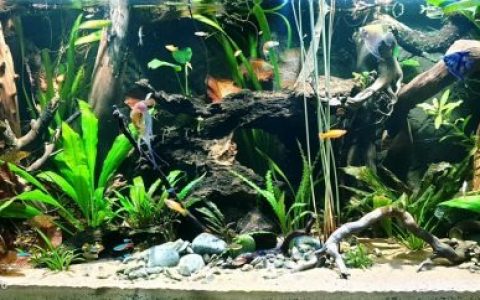
Volume of aquarium: 363 L
水族箱容积:363 升
Dimensions of aquarium: 120*55*55
水族箱尺寸:120*55*55
List of fishes: Pseudorasbora parva, Alburnus alburnus, Leucaspius delineates, Carassius gibelio, Rhodeus amarus, Rhithropanopeus harrisii
鱼类名录:Pseudorasbora parva、Alburnus alburnus、Leucaspius delineates、Carassius gibelio、Rhodeus amarus、Rhithropanopeus harrisii
List of plants: Cerstophyllum demersum, Vallisneria spiralis, Lemna minor, Phragmítes communis.
植物名录:Cerstophyllum demersum、Vallisneria spiralis、Lemna minor、Phragmítes communis。
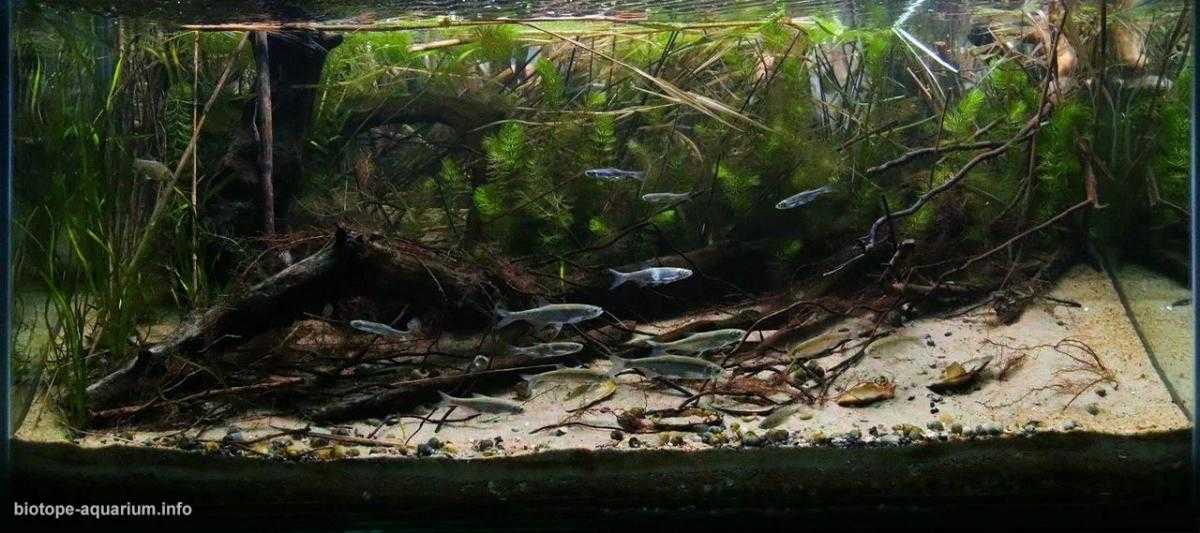
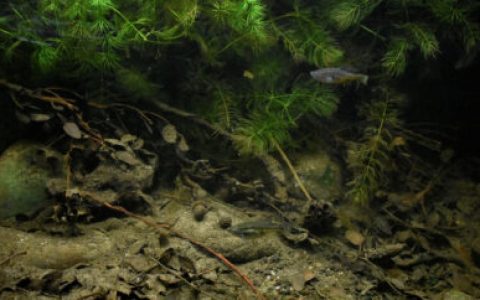
Description of Decorations and Substrate: The soil of the aquarium is laid in layers (volcanic lava, zeolite, quartz sand 1 mm, quartz sand 0.3-0.5 mm) with a large slope (the slope is protected from slipping by a plastic grate) and reaches a level of 35 cm at the rear window.
装饰与底床描述:水族箱的底床分层铺设(火山岩、沸石、1 毫米石英砂、0.3–0.5 毫米石英砂),并设有较大坡度(坡度处用塑料格栅固定以防滑落),在后壁玻璃处高度达 35 厘米。
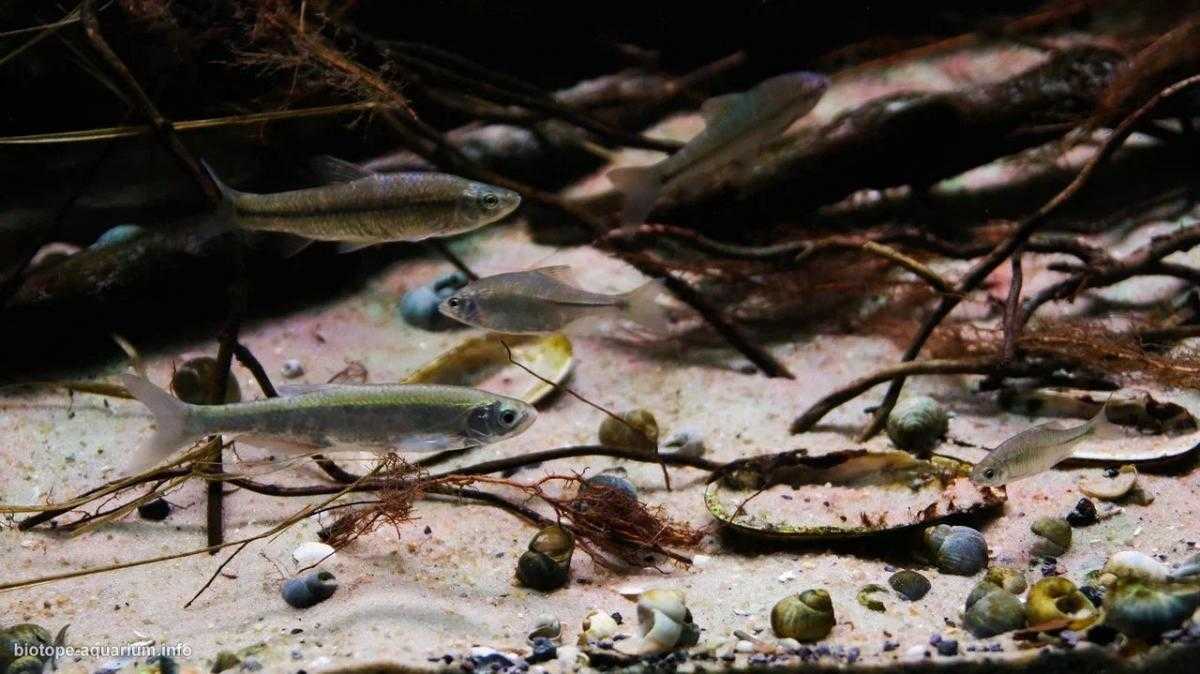
The bottom is strewn with whole and crushed shells of mollusks, both gastropods and bivalves.
底部散落着完整及破碎的软体动物贝壳,包括腹足类和双壳类。
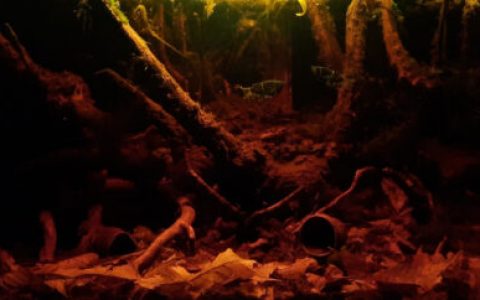
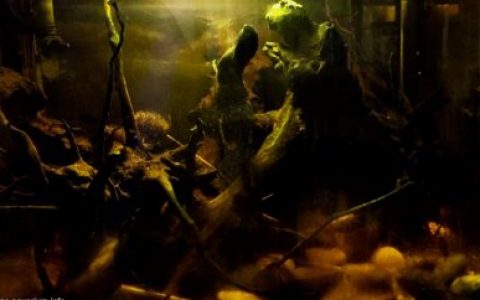
As an imitation of sunken snags, oak, poplar, and willow wood (including small roots) was used. These are trees that grow on the shores of a real biotope.
为模拟沉木,使用了橡树、杨树和柳树木材(含细小树根)。这些树种均生长于真实生物群落的岸边。
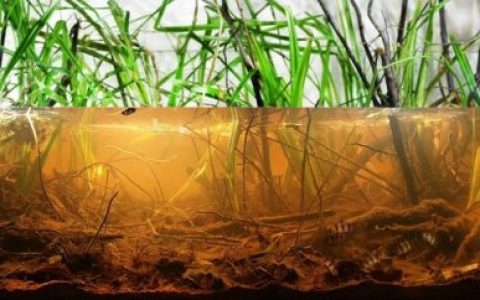
Part of the reed is alive, part is dry, treated with boiling water and replaced as it rots.
部分芦苇为活体,部分为经沸水处理后的干芦苇,并在腐烂时予以更换。
The background was made using a dry diorama outside in a special box with separate lighting. It contains snags and dry reeds.
背景是在户外一个带有独立照明的特制盒子中制作的干式立体景观,其中包含沉木和干枯的芦苇。
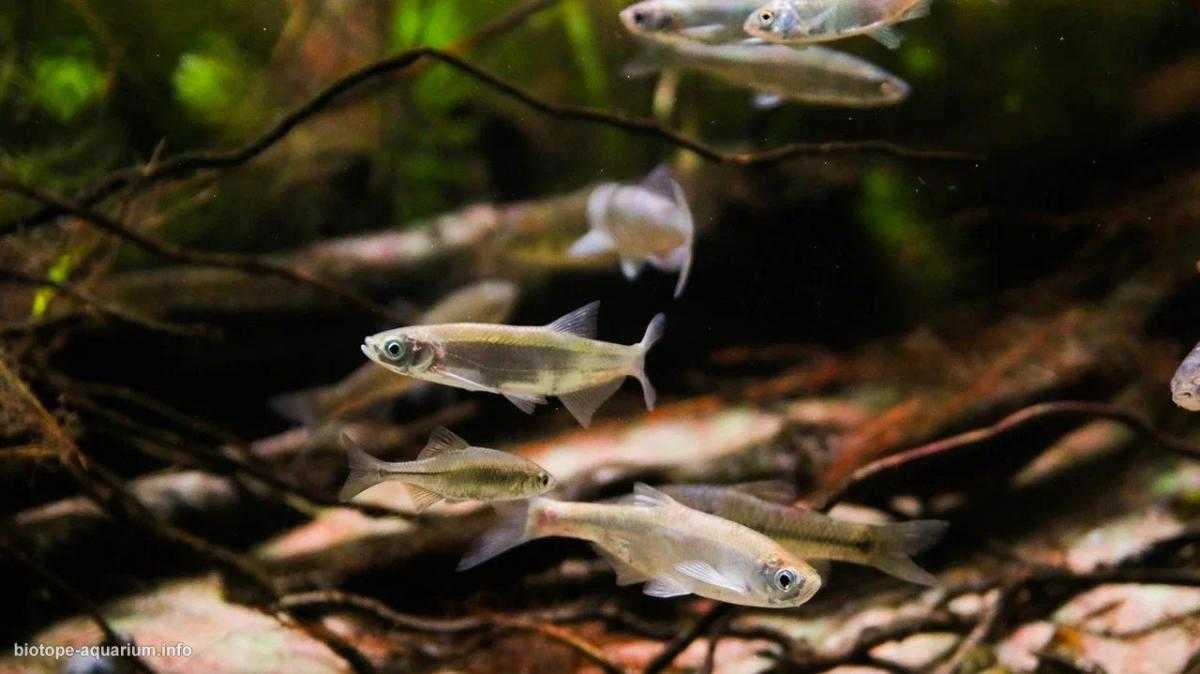
Description of Equipment: WhiteSun 250F Long+ luminaire, Eheim Classic 1500XL filter with Seachem Matrix and Eheim Substrat Pro media, lily Pipe used to reduce turbulence, SCHEGO WS2 compressor.
设备说明:WhiteSun 250F Long+ 灯具、Eheim Classic 1500XL 过滤器(填充 Seachem Matrix 和 Eheim Substrat Pro 滤材)、用于减少水流湍流的百合雨管,以及 SCHEGO WS2 气泵。
The cover glass protects from jumping out.
盖板玻璃可防止鱼类跳出。
Water changes once a week, 30%.
每周换水一次,换水量为 30%。
Water Parameters: Temperature 22 C, pH 8.2, gH 18-25, depending on the season, tds 625.
水质参数:温度 22°C,pH 8.2,gH 18-25(随季节变化),TDS 625。
Additional Info: The fish was caught during the cold season (November) and underwent a slow acclimatization to warm conditions. With active aeration and a temperature of 22 degrees, she does not show any ailments and even successfully recovers from damage by the nets with which she was caught by local fishermen.
补充信息:该鱼于寒冷季节(11 月)捕获,并经过缓慢的驯化过程以适应温暖环境。在持续增氧且水温保持在 22°C 的条件下,它未表现出任何病症,甚至能成功恢复由当地渔民所用渔网造成的损伤。
The same can be said about Phragmítes communis, which went into wintering, in the aquarium it started to grow slowly but surely.
同样的情况也适用于进入越冬期的 Phragmítes communis(普通芦苇),它在水族箱中开始缓慢而稳定地生长。
Description of the Area Surrounding the Biotope: The Don Delta is the second largest delta off the coast of the Sea of Azov. It is located at the mouth of the Don River, within the Rostov Region of the Russian Federation.
生物栖息地周边环境描述:顿河三角洲是亚速海沿岸第二大三角洲,位于俄罗斯联邦罗斯托夫州境内的顿河入海口。
The climate is temperate continental, close to subtropical.
气候为温带大陆性气候,接近亚热带。
There are a large number of girls, eriks, lakes, fish ponds. Large areas are occupied by reed beds. Here, many species of fish breed, hibernate and spawning are migratory fish – beluga, sturgeon, stellate sturgeon. This area is located on the main flyway of many birds. Among the plants and animals found, many are valuable to the population, rare and endangered species.
境内分布着众多沟渠、河流、湖泊和鱼塘。大片区域被芦苇丛覆盖。这里是多种鱼类的繁殖、越冬及洄游场所,包括欧洲鳇、鲟鱼和闪光鲟等洄游性鱼类。该区域位于许多鸟类的主要迁徙路线上。在发现的动植物中,有许多对种群具有重要价值,属于珍稀濒危物种。
On this territory there is a reserved Donskoy forbidden fish space.
该区域内设有顿河禁渔保护区。
The bottom is formed by light fine light sands and is often strewn with fine crumbs from crushed shells of mollusks.
水底由浅色细沙构成,常散布着由软体动物碎壳形成的细小颗粒。
In recent years, in connection with the salinization of the water of the Taganrog Bay, great changes have occurred in biocenoses, brackish-water organisms from the central regions of the Sea of Azov began to appear here.
近年来,随着塔甘罗格湾水体盐度升高,其生物群落发生了巨大变化,来自亚速海中部地区的半咸水生物开始在此出现。
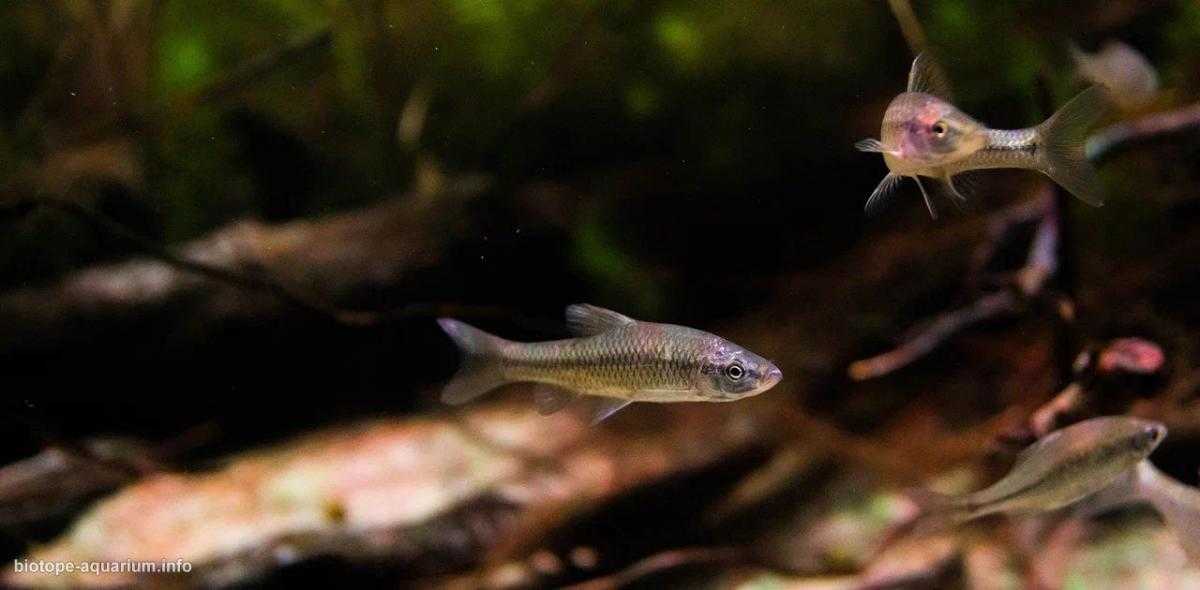
Description of the Underwater Landscape of the Biotope: As a model for decoration, the reed-covered bank of one of the channels of the Don Delta, Erik Egurechka (47°10’30.9″N 39°15’07.2″E), was taken. Along its banks there are willows, poplars, oaks, mulberries. Their branches fall into the water, together with the reeds, creating an environment in the water where small fish find food – Pseudorasbora parva, Rhodeus amarus, freshwater needle fish and many crustaceans. Pelagic fish, such as Alburnus alburnus, also prefer to stay on sandy spaces in front of snags and reed beds in order to hide in case of danger. Here you can also find aquatic vegetation, which is poor in the rest of the delta. The sandy bottom is densely covered with shells of dead molluscs, which are carried by the current.
该生物栖息地的水下景观描述:装饰模型取材于顿河三角洲埃里克·叶古列奇卡河道(北纬 47°10′30.9″,东经 39°15′07.2″)一处芦苇丛生的河岸。沿岸生长着柳树、杨树、橡树和桑树,它们的枝条连同芦苇一起垂入水中,为小型鱼类(如麦穗鱼 Pseudorasbora parva、 bitterling Rhodeus amarus、淡水针鱼以及多种甲壳类动物)营造出觅食环境。上层鱼类(如欧白鱼 Alburnus alburnus)也倾向于停留在沉木和芦苇床前的沙质区域,以便在危险时迅速躲藏。此处还可发现水生植物,而这在三角洲其他区域较为稀少。沙质河底密布着被水流带来的死亡软体动物贝壳。
Description of the Habitat Parameters: General mineralization 2.6 g/l, salinity 0.80 ppm, temperature in summer 24-25°C, with warming of the coastal zone up to 28°C, in winter – 2-4°C, pH 8. Transparency depends on the season and winds, in this in the biotope it is larger (up to 50 cm on average) than in the rest of the delta (on average 20-30 cm).
栖息地参数描述:总矿化度 2.6 克/升,盐度 0.80 ppm,夏季水温 24-25°C,近岸水域可升温至 28°C,冬季为 2-4°C,pH 值 8。透明度随季节和风力变化,在该生物群落中较高(平均可达 50 厘米),高于三角洲其他区域(平均 20-30 厘米)。
List of Fishes and Invertebrates Occurring in the Nature Biotope: Pseudorasbora parva, Alburnus alburnus, Leucaspius delineates, Carassius gibelio, Blicca bjoerkna, Rhodeus amarus, Rutilus rutilus, Neogobius syrman, Knipowitschia longecaudata, Syngnathus nigrolineatus.
自然生物群落中出现的鱼类和无脊椎动物名录:Pseudorasbora parva、Alburnus alburnus、Leucaspius delineates、Carassius gibelio、Blicca bjoerkna、Rhodeus amarus、Rutilus rutilus、Neogobius syrman、Knipowitschia longecaudata、Syngnathus nigrolineatus。
List of Plants Found in the Nature Biotope: Lemna minor, Cerstophyllum demersum, Vallisneria spiralis, Phragmítes communis.
自然生物群落中发现的植物名录:Lemna minor、Cerstophyllum demersum、Vallisneria spiralis、Phragmítes communis。
Threats to the Ecology of the Biotope: When it flows into the bay, the Don branches into many branches. Some have completely died, others are dying out in recent years. The current deposits sand deposits at the entrance to the river, as a result of which the delta takes away from the sea about 8 m per year. Before the construction of the Tsimlyansk dam, spring currents eroded these sediments and carried them out to sea. Now silt-sand “plugs” grow faster in the necks and stop the access of flowing waters. Silt settles in the channel, clogs springs, destroys plankton, and massive fish kills occur.
该生物栖息地生态面临的威胁:当顿河流入海湾时,会分叉成众多支流。其中一些已完全干涸,另一些则在近年来逐渐消亡。当前水流在河口处沉积泥沙,导致三角洲每年向海洋退缩约 8 米。在齐姆良斯克大坝建成之前,春季径流会侵蚀这些沉积物并将其带入海洋。如今,淤泥与泥沙形成的“堵塞体”在河道狭窄处加速生长,阻断了流动水体的进入。淤泥在河道中淤积,堵塞泉眼,破坏浮游生物,并引发大规模鱼类死亡事件。
The second problem is the ever-increasing proportion of introduced hydrobionts, which are crowding out the local fauna. This is also reflected in the work, with the help of the active Pseudorasbora parva, which is increasing its presence, and the crab Rhithropanopeus harrisii, which has been actively developing the delta for the last ten years.
第二个问题是引入的水生生物比例不断上升,它们正在排挤本地动物群。这一点也在作品中有所体现:活跃的小伪鲃(Pseudorasbora parva)正不断扩大其分布范围,而哈里斯拟相手蟹(Rhithropanopeus harrisii)在过去十年间也一直在 активно 开发该三角洲区域。
本文部分素材来自网络,如有类似请联系修改,如若转载,请注明出处:http://www.yangyubang.com/?p=3937