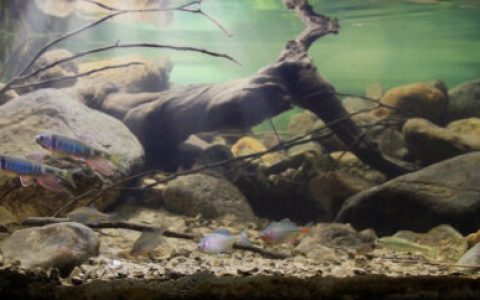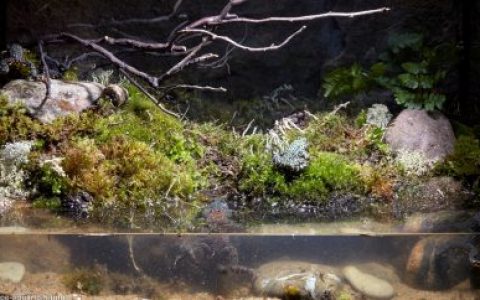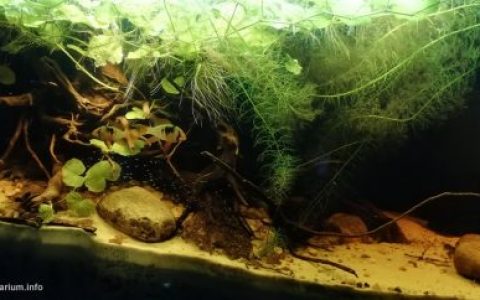
olume: 447 L 容积:447 升
Dimensions: 125x50x65 cm 尺寸:125×50×65 厘米
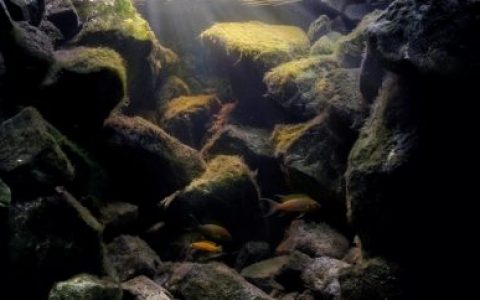
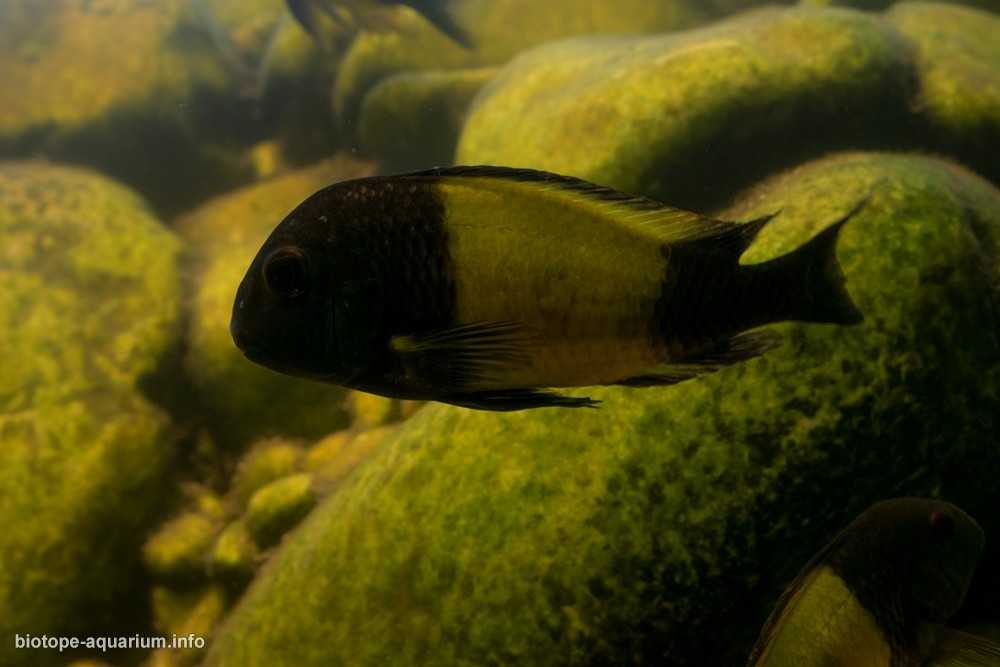
List of fishes: Tropheus sp. Ikola
鱼类名录:坦鲷属(Tropheus)Ikola 变种
List of plants: – 植物列表:–
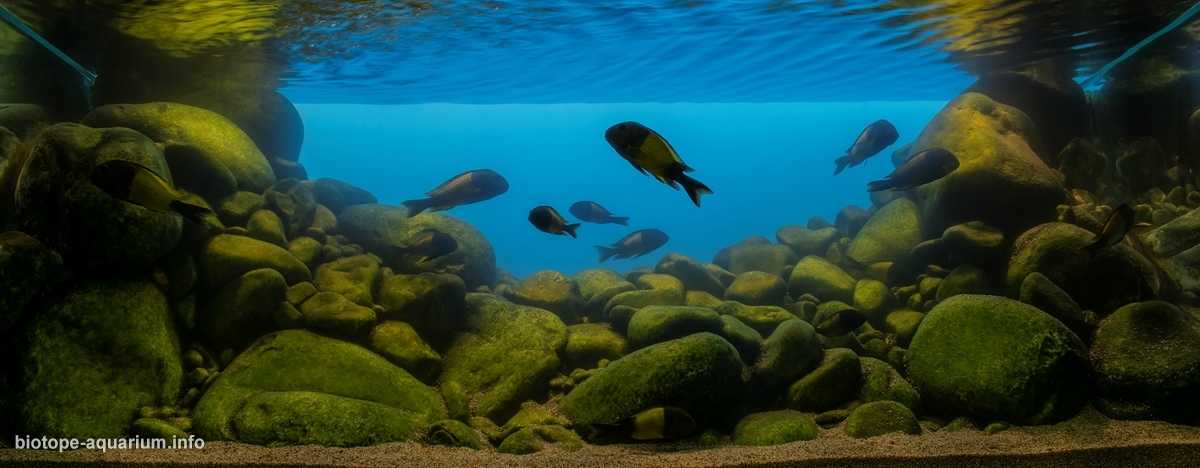
Description of decorations: 1- 40 kg of nautral dark coloured river sand (collected from river, in same look and structure with sand in Ikola Shores)
装饰描述:1- 40 公斤天然深色河沙(采集自河流,外观和结构与伊科拉湖岸的沙子相同)
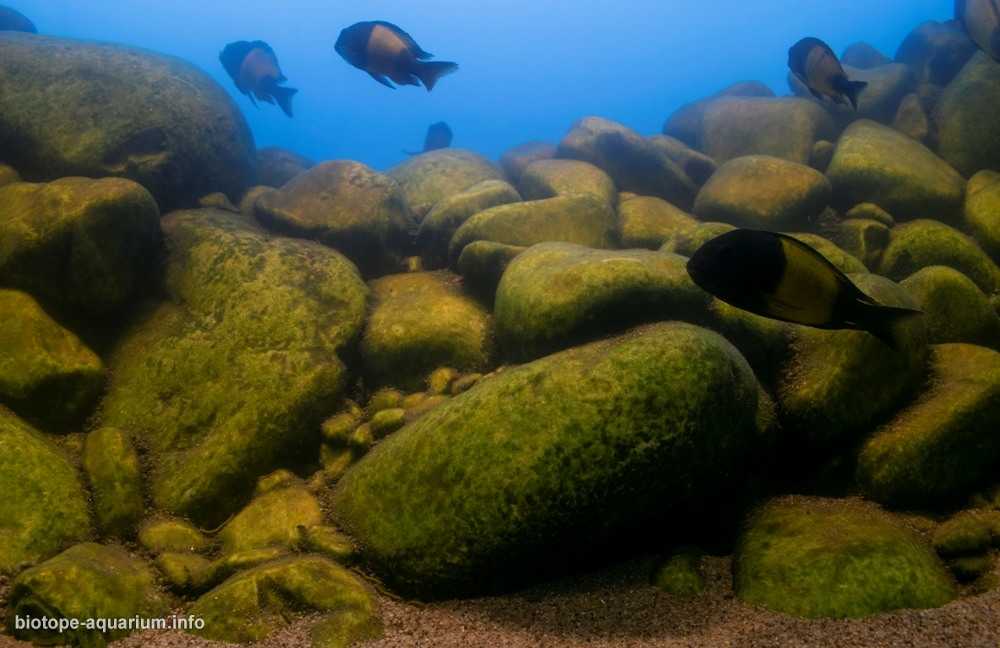
2- 120 kg of natural dolamite stones in variable sizes (collected from nature, from football ball’s size to pebbles)
2- 120 公斤天然白云石,尺寸各异(采自自然,从足球大小到鹅卵石不等)
3- Transparent Turquaz Background
3- 透明绿松石色背景
Description of equipment: 1- Ligthining: 8x led bulb (12 watt, 6500 K, Dayligth), 2x led fluorescent (24 watt,120 cm,6500 K, Dayligth), 6x Spot led bulb (8 watt, 3000 K), Timer Plug, UV ligthining system attached to filter,
设备描述:1- 照明:8 个 LED 灯泡(12 瓦,6500 K,日光色),2 个 LED 荧光灯管(24 瓦,120 厘米,6500 K,日光色),6 个聚光 LED 灯泡(8 瓦,3000 K),定时插座,以及连接在过滤器上的紫外线照明系统,
2- Filtering: 3x external filters totally 2500 L/H,
2- 过滤:3 个外置过滤器,总流量 2500 升/小时。
3- Heating: 300 watt heater.
3- 加热:300 瓦加热棒。
Water parameters: Ph: 8,4-8,6, Temp: 25,6°C, Electirical Conductivity: 650 µS, GH:13, KH:12 in addition Nitrate: 5-15 ppm and Nitrite: 0 ppm
水质参数:pH 值 8.4–8.6,温度 25.6°C,电导率 650 µS,总硬度(GH)13,碳酸盐硬度(KH)12;此外,硝酸盐含量为 5–15 ppm,亚硝酸盐含量为 0 ppm。
Additional info: Weekly % 20 water change and maintanence. In weekly maintanance, glasses are cleaned and equipment check done. In every 6 mouhts filters media are cleaned but this process is in a weekly row, just one filter in every weekend.
补充信息:每周换水 20% 并进行维护。在每周维护中,会清洁玻璃并检查设备。每六个月清洗一次滤材,但该过程分周进行,每个周末仅清洗一个过滤器。
INFORMATION ABOUT BIOTOPE
关于生物群落的信息
Description of the area surrounding the biotope: Lake Tanganyika (5°30′S 29°30′E) is in the western side of the African Rift system. It is the largest of the African rift lakes by volume and the second deepest lake in the world only exceeded by Lake Baikal.(2) Climate in the lake basin is semihumid tropical. Annual rainfall is roughly 1 m and river inflow could raise the Lake level by 0.5 m per year.(3) The lake occupies a series of interconnected half-graben basins. The lake is currently an open basin, discharging into the Zaire basin via the Lukuga River. Most water loss is from evaporation but the outlet serves primarily to maintain constant lake level.(2) In past Lukuga outlet was used as a kind of a natural valve system whenever the lake level rose beyond a certain point.(3) The lake receives continuous, but seasonally variable, inflow from four major rivers (Malagarasi, Ruzizi, Lugufu, and Lufubu), as well as numerous small rivers. (2) The population density of the Lake Tanganyika basin varies between 13-250 persons/km2. The full drainage basin has a population of greater than 10 million people which is growing at a rate of 2.0-3.2 percent per year. Lake Tanganyika’s fisheries yield 165,000 to 200,000 tons of fish per year, employ around 100,000 people, and provide 25 to 40 percent of the protein needs of around 1 million people.(4) The lake and its Basin provide a diverse range of ecosystem services that sustain the livelihoods of millions of people.(5) This is putting too much pressure on underwater habitat of lake and this means diminishing enviroment. Lake Tanganyika is dividing the floral regions of eastern and western africa, and characteristic of the flora of western Africa oil palms grow along the lake’s shores. Rice and subsistence crops are grown along the shores. Hippopotamuses and crocodiles abound, and the bird life is varied.(9) Basin is renowned for its terrestrial biodiversity and scenic beauty with several forest reserves and national parks. (5) When we come to my specific point Ikola Shore, it s a flat region, at begining of shore area covered with stones and rarely sand which their extension goes under water. Areas after shore is generally covered with residental occupations and partly with bushy forests including small trees and bushes.(*,6) There is no inflow or outflow nearby so this makes region less populated comparing to other regions in terms of land population. (6,*,8)
生物群落周边区域描述:坦噶尼喀湖(南纬 5°30′,东经 29°30′)位于非洲裂谷系西侧。按体积计算,它是非洲裂谷湖泊中最大的湖泊,也是世界第二深的湖泊,仅次于贝加尔湖。(2) 该湖流域气候为半湿润热带气候。年降雨量约为 1 米,河流汇入可使湖面每年上升 0.5 米。(3) 该湖占据一系列相互连接的半地堑盆地。目前该湖为开放型盆地,通过卢库加河向刚果盆地排水。大部分水量损失源于蒸发,但出水口主要作用是维持湖面水位恒定。(2) 过去,每当湖面水位超过某一特定高度时,卢库加出水口便充当一种天然阀门系统。(3) 该湖持续接收来自四条主要河流(马拉加拉西河、鲁济济河、卢古富河和卢富布河)以及众多小河流的补给,但入流量随季节变化。(2) 坦噶尼喀湖流域的人口密度在每平方公里 13 至 250 人之间波动。整个流域人口超过 1000 万,且正以每年 2.0% 至 3.2% 的速度增长。 坦噶尼喀湖的渔业年产量为 16.5 万至 20 万吨,雇佣约 10 万人,并为约 100 万人口提供其所需蛋白质的 25% 至 40%。(4) 该湖及其流域提供了多样化的生态系统服务,维系着数百万人的生计。(5) 这给湖泊的水下栖息地带来了过大压力,导致环境退化。坦噶尼喀湖分隔了东非和西非的植物区系,西非植物区系的典型代表——油棕,沿湖岸生长。稻米和自给作物也种植于湖岸地带。河马和鳄鱼数量众多,鸟类种类丰富。(9) 该流域以其陆地生物多样性和风景秀丽而闻名,拥有多个森林保护区和国家公园。(5) 就我具体关注的伊科拉(Ikola)湖岸而言,这是一片平坦区域;湖岸起始处遍布石块,沙质稀少,这些石质区域延伸至水下。湖岸后方区域通常被居民区占据,部分则为灌木林,包括小树和灌木丛。(*,6) 附近没有流入或流出的水体,因此与其他地区相比,该区域的陆地人口较为稀少。 (6,*,8)
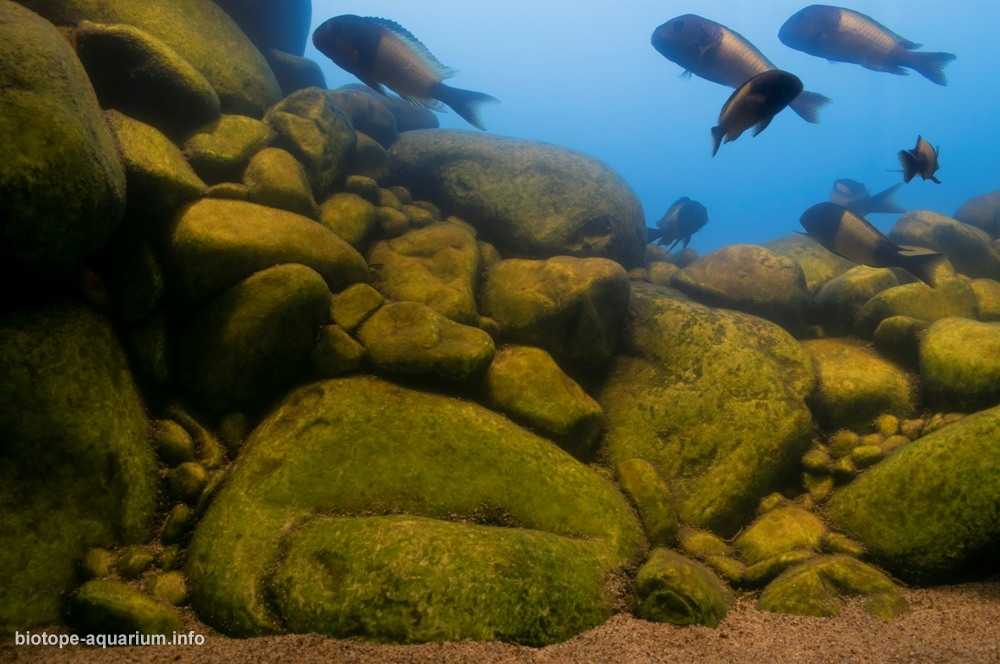
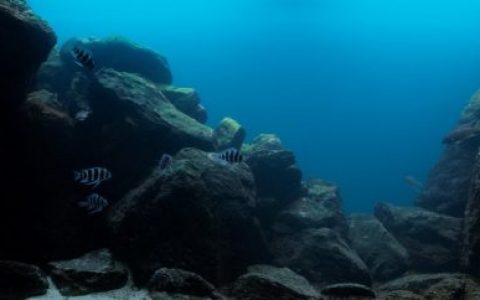
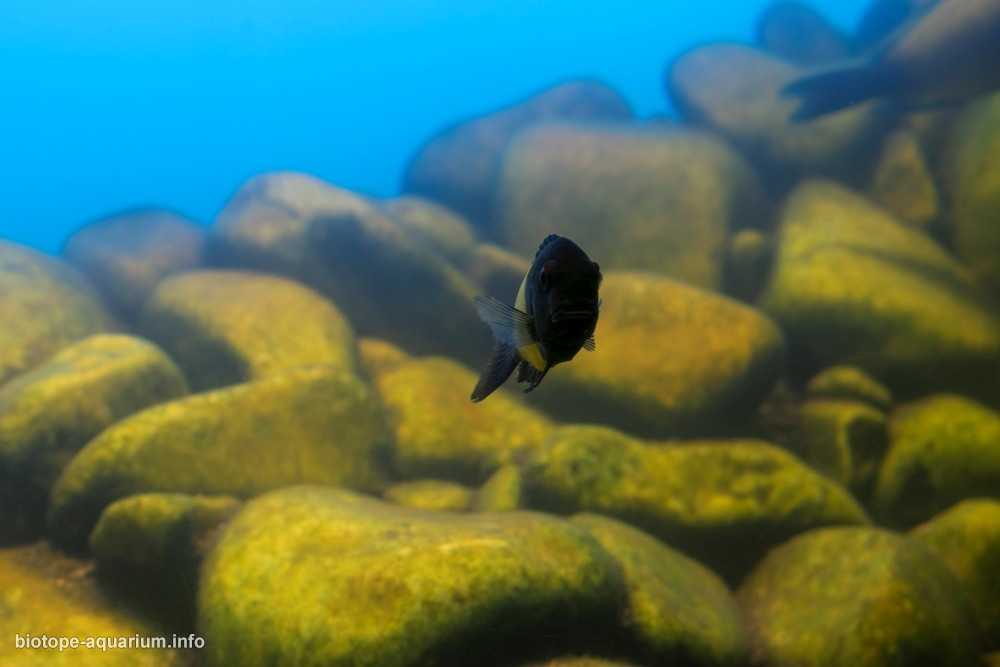
Description of the underwater landscape of the biotope: In lake Tangayika according to depth and region it has it’s own types of biotopes which are moslty underwater extension of shore part. (12,*) This stituation has caused different evolution of species in lake Tanganyika. Ikola shore shows all evidences of being a tecthtonic lake by it’s chaotic but beatiful stoney and rocky formations. Ikola Shore is a small part in Tanzania, it’s stoney shores goes on with it’s extension to under water and forms a sediment free rocky habitat which is stones on stones, small stones between big stones and towards depths bigger stones on sand. (7,12,*,6) Strong Africa sun shine with help of low depth lets algea grow fastly and abundant but waves don’t let sediment to accumulate. Due to fluctilating water level according to seasons while some stones are fully covered with algea firm in parts which is always under water, somes are with less algea in upper parts. Bottom are covered with mixed fine sand and it starts to be seen in bottom when going down towards depths. As a sediment free rocky habitat in 0-5 meters depth it’s pefect for species with lots of algea to eat and lots of shelters to hide from predators When we gether all information about habitat and study on forms and behaviours of species living in this habitat we can surely see how species evolved in body forms and behaviours according to habitat. So they have stripped body for having camoflage to imitate reflecting sunshine on stones, big fins to swim in strong waves and never coming up surface to get feed due to danger mostly from birds. Waves get stronger because of low depth and stir up bottoms much so this makes water some blurry but very oxygen rich and clean. Bottom has dark coloured mixed fine sand. In starts of shore bottom type is stones on stones but when going deeper sand can be seen and stones gets bigger.(*,8-10) Stone sizes are variable from pepples to huge rocks.
该生物群落的水下景观描述:在坦噶尼喀湖中,根据深度和区域的不同,存在各自独特的生物群落类型,这些大多是沿岸区域向水下的延伸。(12,*) 这种状况导致了坦噶尼喀湖内物种的差异化演化。伊科拉(Ikola)沿岸以其混乱却美丽的石质与岩层构造,充分展现了其作为构造湖的特征。伊科拉沿岸位于坦桑尼亚境内的一小段区域,其多石的岸线向水下延伸,形成了无沉积物的岩石栖息地:此处石块叠压石块,大石之间嵌有小石,随着深度增加,较大的石块逐渐分布于沙底之上。(7,12,*,6) 强烈的非洲阳光结合较浅的水深,促使藻类快速且繁茂地生长,而波浪作用则阻止了沉积物的堆积。由于水位随季节波动,部分始终淹没于水下的石块表面被藻类牢固覆盖,而位于较高位置的石块则藻类较少。湖底覆盖着混合的细沙,随着向深处下行,沙底逐渐显现。 作为水深 0-5 米的无沉积物岩石栖息地,这里非常适合那些需要大量藻类作为食物并拥有众多庇护所以躲避捕食者的物种。当我们汇总有关该栖息地的所有信息,并研究生活于此的物种的形态与行为时,我们便能清晰地看到这些物种是如何根据栖息环境在体型和行为上演化的。因此,它们演化出了条纹状的身体以模拟阳光在石头上的反射从而实现伪装,拥有宽大的鳍以便在强劲的水浪中游动,并且由于主要来自鸟类的危险,它们几乎从不浮到水面觅食。由于水深较浅,波浪变得更为强劲,剧烈搅动底部,这使得水体略显浑浊,但却富含氧气且洁净。底部覆盖着深色的混合细沙。在近岸处,底质类型为石上叠石,但随着水深增加,沙子开始显现,石块也变得更大。(*,8-10)石块的尺寸变化很大,从小卵石到巨大的岩石不等。
Description of the parameters of the habitat: Most of the influent streams originate on rift escarpments, close to the lake, and therefore carry very low dissolved solid loads. But the Ruzizi River drains alkaline from Lake Kivu to the north, and is the dominant source for most solutes excluding Ca2+.in lake Tanganyika.(2) Lake Kivu is responsible for Ruzizi river unsually high Mg/Ca water in the enter of Lake Tanganyika but it s deluted by other streams so a lower salinity and a lower alkalinity water are produced. Ground water from small springs has been noticed but it’s effect on lake’s water is relativly small.(2) Surface water of Lake Tanganyika is very well saturated with oxygen but it’s rapid decline can be regocnized easliy when going down to depths as oxygen dissapears H2S becomes abundant which makes habitat inhabitable for plankton and fish life.(3) Lake’s water temparture changes according to depth and season.(2) But lake’s water is getting warmer since the 1800s and thanks to global warming this process has accelerated since the 1950s. (1)
栖息地参数描述:大多数入湖溪流发源于靠近湖泊的裂谷陡崖,因此携带的溶解固体负荷极低。但鲁济济河将来自北部基伍湖的碱性水排入坦噶尼喀湖,是除钙离子(Ca²⁺)外大多数溶质的主要来源。(2) 基伍湖导致鲁济济河在坦噶尼喀湖中部区域的水体具有异常高的镁钙比(Mg/Ca),但由于其他溪流的稀释作用,最终形成盐度和碱度较低的水体。已观测到来自小型泉眼的地下水,但其对湖水的影响相对较小。(2) 坦噶尼喀湖表层水体氧气饱和度很高,但随着深度增加,氧气迅速减少并易于被察觉;当氧气消失时,硫化氢(H₂S)含量显著升高,使得该环境不再适合浮游生物和鱼类生存。(3) 湖水温度随深度和季节变化而变化。(2) 然而,自 19 世纪以来湖水温度持续上升,且由于全球变暖,这一过程自 20 世纪 50 年代起进一步加速。(1)
Tempeture: Changing according to seasons (wet season/dry season) between 24-28°C, but at depths greater then 400 meters is more stable between 23,1-23,4°C, (1)
温度:随季节(雨季/旱季)在 24-28°C 之间变化,但在深度超过 400 米处则更为稳定,介于 23.1-23.4°C 之间,(1)
Ph: Around 9 at depths of 0-100 meters, 8,7 below this and 8,3 at deepest parts, (1)
酸碱度(pH):在 0-100 米深度约为 9,此深度以下为 8.7,最深处为 8.3,(1)
Electirical Conductivity: Upper parts 670 and deepest parts 690, (1)
电导率:上层水域为 670,最深处为 690,(1)
Other Parameters: GH 12-20, and the KH 10-15.
其他参数:总硬度(GH)12-20,碳酸盐硬度(KH)10-15。
List of fishes and invertebrates occurring in the nature biotope: If we accept region as Mkanzi,
自然生境中出现的鱼类和无脊椎动物名录:若将区域认定为姆坎齐,
Altolamprologus fasciatus, Aulonocranus dewindti, Cyathopharynx foae, Eretmodus marksmithi , ExLamprologus brevis, ExLamprologus ocellatus, ExLamprologus ornatipinnis, Lepidiolamprologus attenuatus, Lepidiolamprologus elongatus, Lestradea perspicax, Limnochromis auritus, Neolamprologus furcifer, Neolamprologus modestus, Neolamprologus savoryi, Neolamprologus sexfasciatus, Neolamprologus tetracanthus, Ophthalmotilapia nasuta, Ophthalmotilapia ventralis ,Paleolamprologus toae, Petrochromis ephippium, Petrochromis famula, Petrochromis fasciolatus ,Petrochromis polyodon, Petrochromis sp. ‘orthognathus ikola’ ,Pseudosimochromis babaulti ,Spathodus erythrodon, Telmatochromis temporalis, Telmatochromis vittatus, Tropheus annectens ,Tropheus sp. ‘ikola’ , Xenotilapia boulengeri.Variable invertabres(11)
带状高身亮丽鲷、德温氏拟丽鱼、福氏杯咽丽鱼、马克史密斯氏铲嘴丽鱼、短身亮丽鲷、眼斑亮丽鲷、饰鳍亮丽鲷、细身亮丽鲷、 elongatus 亮丽鲷、敏锐列斯特丽鱼、耳状湖色丽鱼、叉尾新亮丽鲷、朴素新亮丽鲷、萨氏新亮丽鲷、六带新亮丽鲷、四刺新亮丽鲷、鼻突眼瓣丽鱼、腹突眼瓣丽鱼、托氏古亮丽鲷、鞍形石丽鱼、法穆拉石丽鱼、带纹石丽鱼、多齿石丽鱼、正颌石丽鱼’伊科拉型’、巴鲍尔特伪拟丽鱼、红齿矛嘴丽鱼、临时塔氏丽鱼、条纹塔氏丽鱼、连接类蝴蝶鱼、伊科拉类蝴蝶鱼、布伦杰异齿丽鱼。多种无脊椎动物(11 种)
List of plants found in the nature biotope: –
自然生境中发现的植物名录:–
Threats to the ecology: One of threats Lake Tanganyika faces is overpopulation of lake shores in purpose of tourism, agriculture and fisheries. Overpopulation around lake means more human around and human means pollution with extraordinary use of natural resources. Rising urbanization rate around lake brings lots of problems for underwater. All debris from residental areas goes in to lake and drops water quality and when we remember that main water loss from evaporation. This stituation can turn lake in to a big trash can fastly and we all can quess end of this story. Maybe our childeren will have no Lake Tanganyika to inspire and recreate. Solution to this problem is simple planned urbanization with advanced underground systems, control of using resources and respect to nature. This is not just a problem of countries around lake it’s problem of all world because Lake Tanganyika is one of the treasures of world. So actions must be done immediately by whole world. (13,14,15,*)
生态面临的威胁:坦噶尼喀湖面临的威胁之一是湖岸因旅游、农业和渔业目的而出现的人口过剩。湖区周围人口过剩意味着人类活动增多,而人类活动则导致自然资源的过度使用和污染。湖区周边日益加快的城市化进程给水下环境带来了诸多问题。来自居民区的所有废弃物都排入湖中,降低了水质;考虑到湖水的主要损失途径是蒸发,这种情况可能迅速将湖泊变成一个巨大的垃圾场,我们都能猜到这一故事的结局。也许我们的子孙后代将不再有坦噶尼喀湖可供启迪心灵和休闲游憩。解决这一问题的方法很简单:实施有规划的城市化,建设先进的地下系统,控制资源使用,并尊重自然。这不仅仅是环湖国家的问题,而是全世界的问题,因为坦噶尼喀湖是世界瑰宝之一。因此,全世界必须立即采取行动。(13,14,15,*)
本文部分素材来自网络,如有类似请联系修改,如若转载,请注明出处:http://www.yangyubang.com/?p=3397