Volume of aquarium: 96 litres
水族箱容积:96 升
Dimensions of aquarium: 45x45x45 cm
水族箱尺寸:45x45x45 厘米
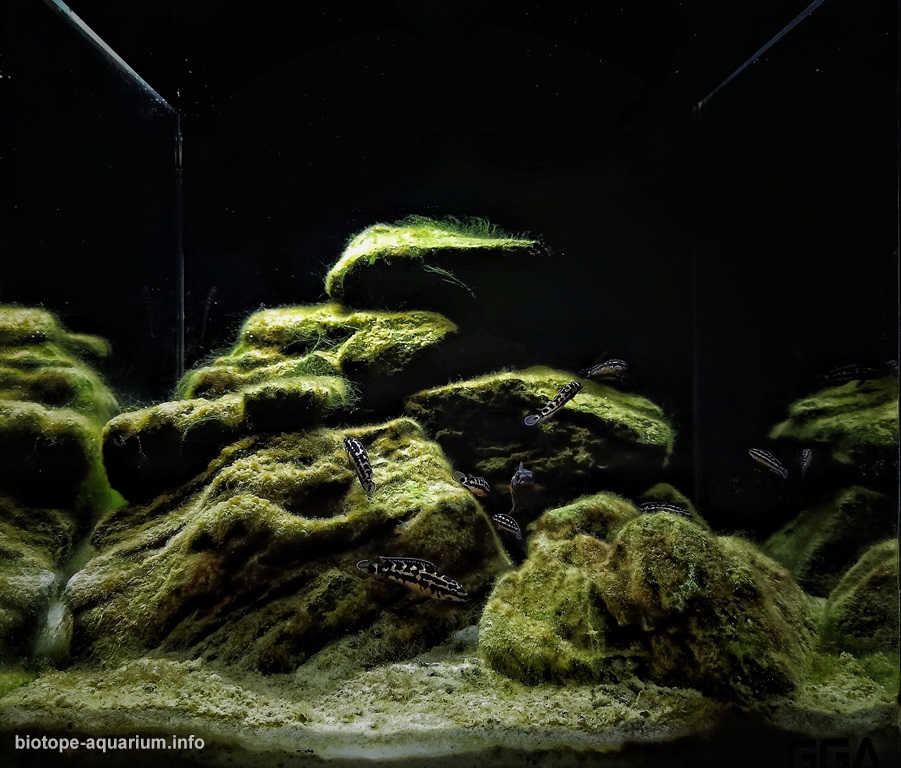
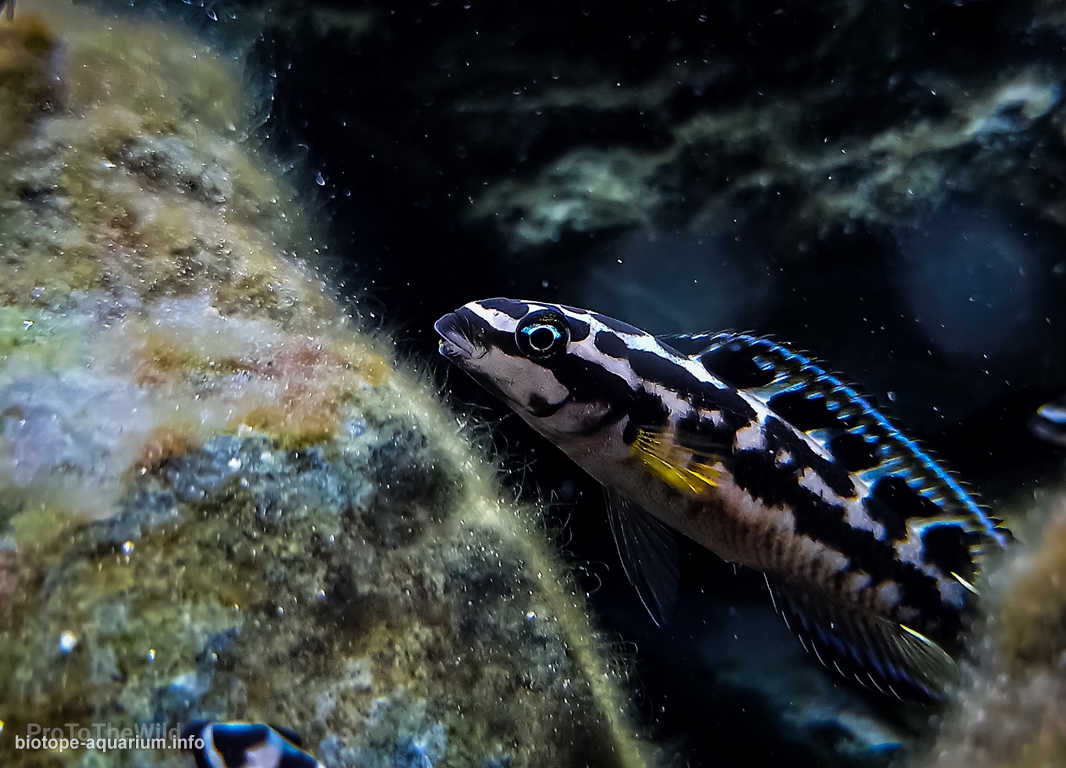
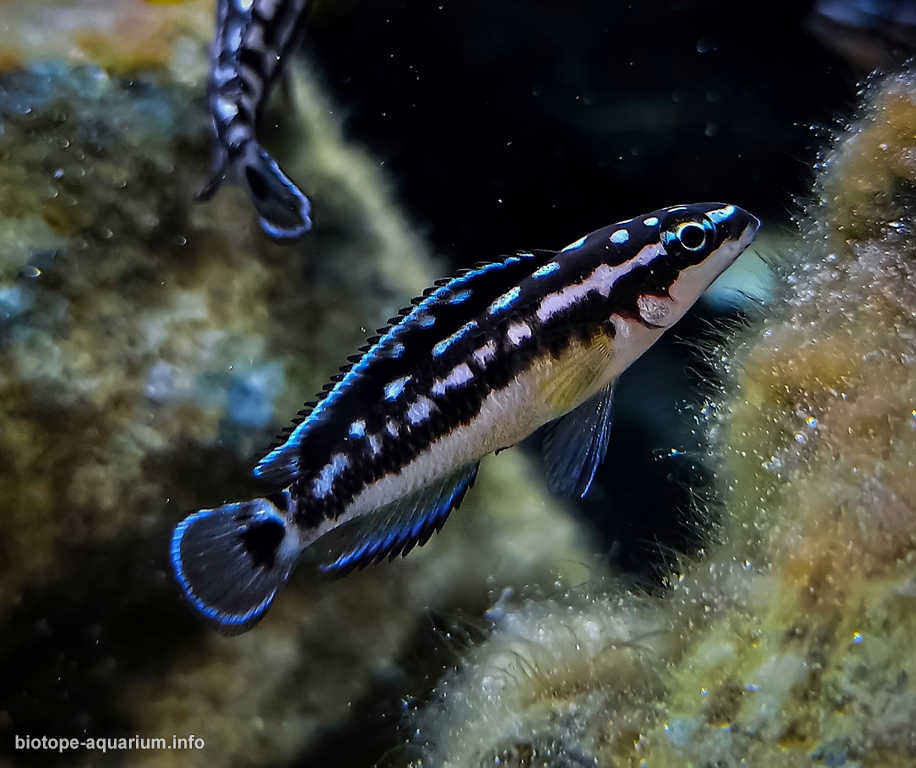
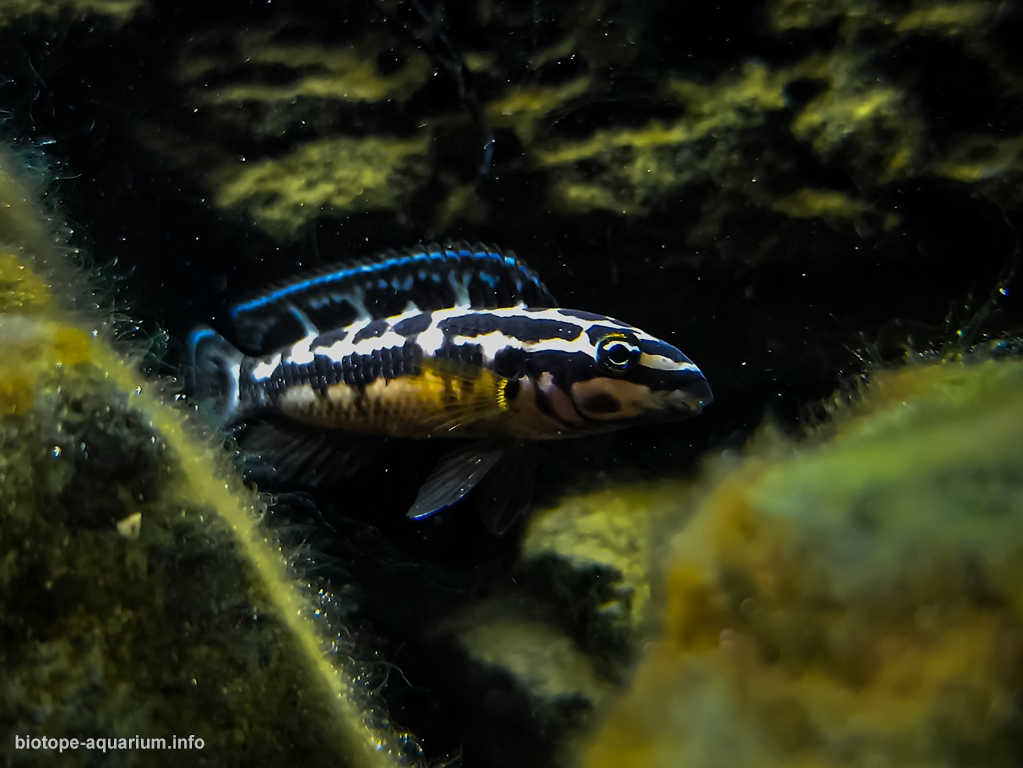
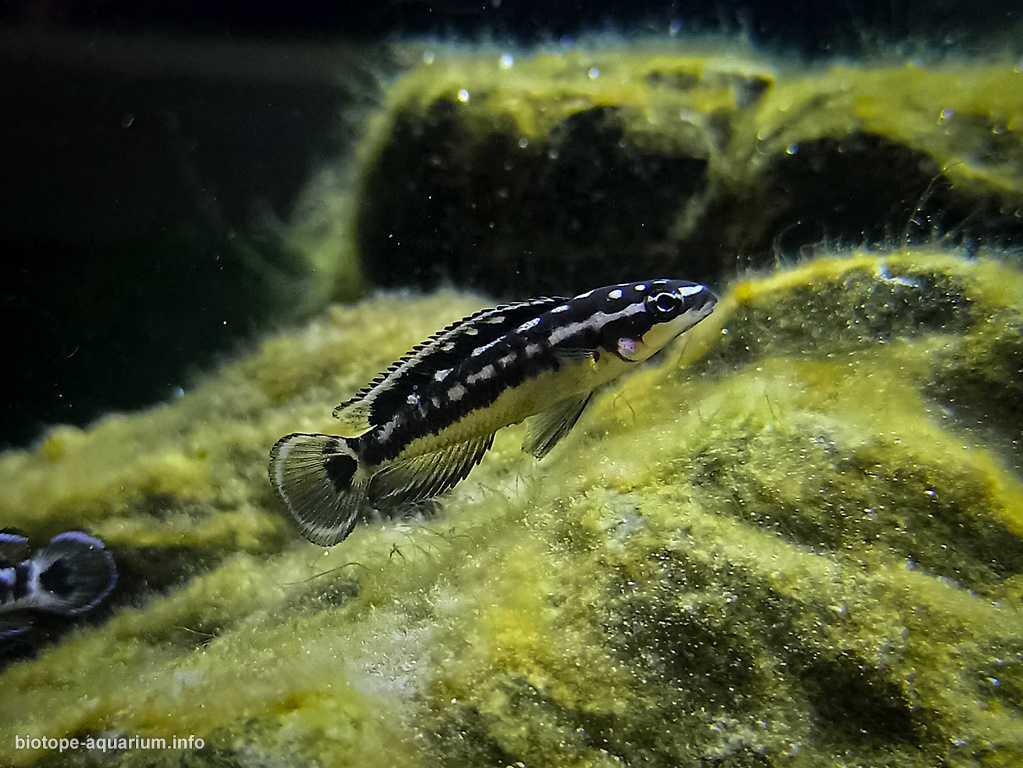
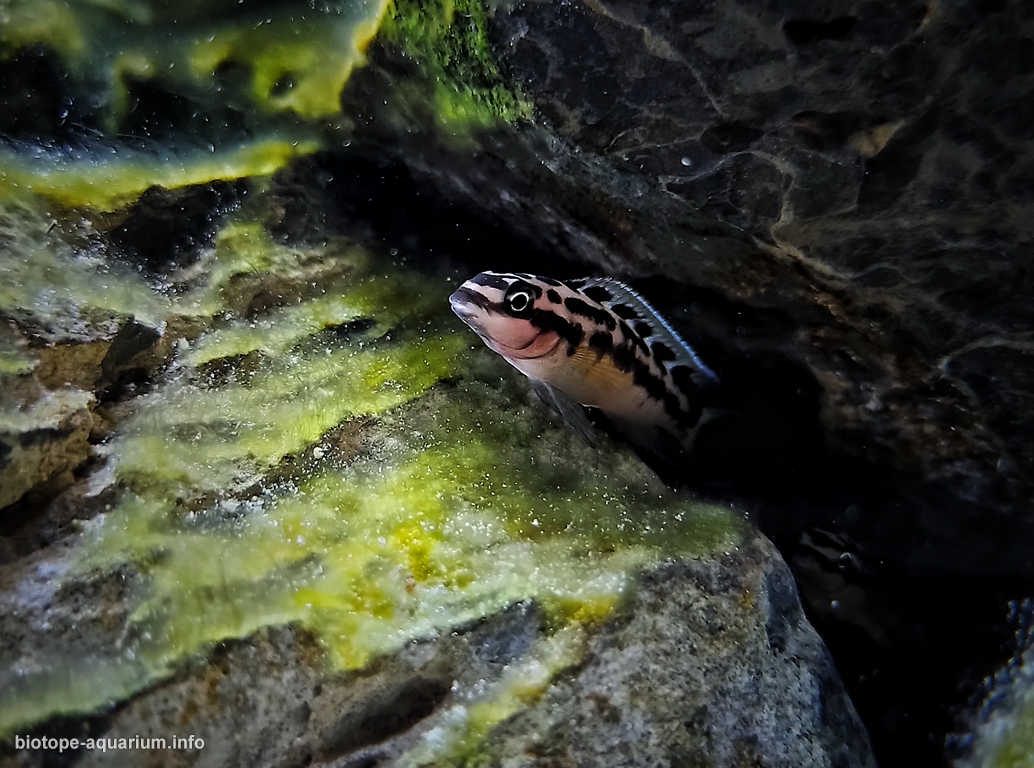
List of fishes: Julidochromis transcriptus “Kissi” ( 1 breeding pair + 10 juveniles)
鱼类名录:Julidochromis transcriptus”Kissi”(1 对亲鱼 + 10 尾幼鱼)
List of plants: None. 植物名录:无。
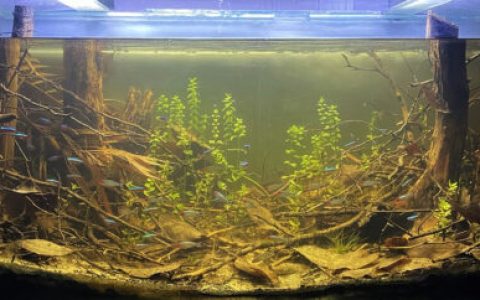
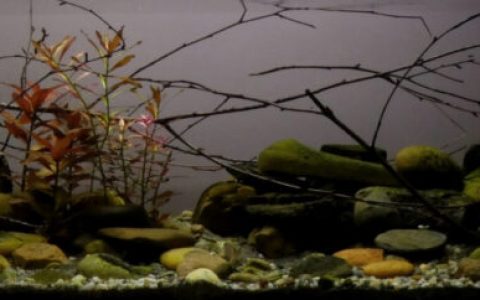
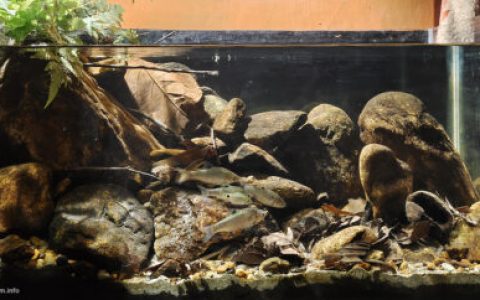
Description of Decorations and Substrate: I have collected natural curved and edged river stones (approximately 25kgs) from my nearby river. I have used an egg crate on the base of the rock to prevent the rocks from falling down. The sand is the coastal sand (approximately 10kgs) which is very fine and similar to the species natural habitat. I have positioned the rocks by getting inspiration from Biotope videos. The light source of the tank is from the top and I have used a black background to contrast the algae rocks in which the species dwell. Even I have created caves for the species to breed and rest.
装饰与底砂描述:我从附近的河流中采集了天然弯曲且带棱角的河石(约 25 公斤)。我在岩石底部使用了蛋格垫,以防止岩石滑落。底砂为沿海细沙(约 10 公斤),质地极细,与该鱼种的自然栖息地非常相似。岩石的布局灵感来源于生物缸视频。鱼缸的光源来自顶部,并采用了黑色背景,以突出该鱼种栖息的覆藻岩石。此外,我还营造了洞穴供鱼种繁殖和休息。
Description of Equipment: Filter: Jeneca HOB XP-08, Heater-SOBO 75 watt, Lightning: Fireglow 21 watt
设备描述:过滤器:Jeneca HOB XP-08;加热棒:SOBO 75 瓦;照明:Fireglow 21 瓦
Water Parameters: Temperature is 25°C, pH is 8.8, gH is 11
水质参数:温度 25°C,pH 8.8,gH 11
Additional Info: I have used natural coastal sand on the bottom and used a buffer solution to raise the pH to 8.8. I clean 30% of the water and siphon the crevices of the rock weekly. During weekly water change I clean the algae on glasses and equipments with a sponge. I clean the filter in every 2 months. I feed my fishes high quality foods twice a day and maintained their balanced diet. I light my tank for about 6 hrs. Decoration of the tank and with healthy maintainance helps my fishes to feel like their natural surroundings and breed profusely.
附加信息:我在缸底铺设了天然海岸沙,并使用缓冲溶液将 pH 值提升至 8.8。我每周更换 30% 的水量,并用虹吸管清理岩石缝隙。在每周换水时,我会用海绵清洁玻璃和设备上的藻类。每两个月清洗一次过滤器。我每天两次为爱鱼投喂高品质饲料,并保持其饮食均衡。我每天为鱼缸照明约 6 小时。合理的造景搭配健康的维护,让我的鱼儿仿佛置身于自然环境中,从而大量繁殖。
Description of the Area Surrounding the Biotope: The Biotope is situated about 1200-1500 metres away from the shoreline. The shoreline is quite narrow with rocks and forrest covered hills. The Makabola village in DR Congo has an elevation of 796 metres.
生物栖息地周边环境描述:该生物栖息地位于距岸线约 1200–1500 米处。岸线相当狭窄,分布着岩石和森林覆盖的山丘。刚果民主共和国的马卡博拉村海拔为 796 米。
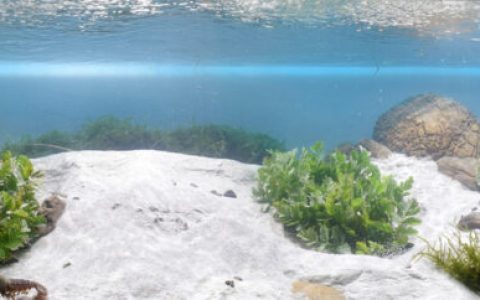
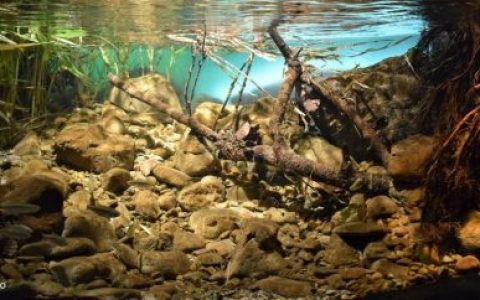
Description of the Underwater Landscape of the Biotope: Underwater habitat of the Biotope is 10 metres deep. It is an intermediate rocky habitat which meets sand in the bottom. Rock sizes ranges from 1-2 metres. Algae is seen on rocks as a thick layer and sediment is found as dust on the rocks.
生物栖息地水下景观描述:该生物栖息地的水下环境深度为 10 米,属于过渡型岩石生境,底部与沙地相接。岩石尺寸介于 1–2 米之间。岩石表面覆盖着一层厚厚的藻类,沉积物则如尘埃般附着在岩石上。
Sessile algae forms as biofilms over rocks. The sand is extremely fine in this area. There is a gradual inclination which starts from high rocks and ends in fine sand bottom. Rock piles creates shelter for different species. Mass existence of floating zooplanktons invites the shoal of fish to feed in this habitat. Mostly carnivore and omnivore species exist in the habitat. Water transparency is medium.
固着藻类以生物膜的形式覆盖在岩石表面。该区域的沙粒极为细腻。地形呈 gradual 倾斜,从高处的岩石逐渐过渡到底部的细沙。石堆为不同物种提供了庇护所。大量浮游动物的存在吸引了鱼群在此栖息地觅食。该栖息地中主要生活着肉食性和杂食性鱼类。水体透明度中等。
Description of the Habitat Parameters: Water transparency is medium, the average temperature varies from 25-27°C, pH ranges from 8.5-9.4 depending on the season.
栖息地参数描述:水体透明度中等,平均水温在 25–27°C 之间波动,pH 值随季节变化,范围为 8.5–9.4。
List of Fishes and Invertebrates Occurring in the Nature Biotope: Bathybates vittatus, Benthochromis melanoides, Benthochromis tricoti, Boulengerochromis microlepis, Cyprichromis pavo, Cyprichromis microlepidotus, Cyprichromis brieni, lamprologus leleupi, lamprologus crassius, lamprologus niger, Julidochromis transcriptus, Julidochromis marlieri
自然栖息地中出现的鱼类和无脊椎动物名录:Bathybates vittatus、Benthochromis melanoides、Benthochromis tricoti、Boulengerochromis microlepis、Cyprichromis pavo、Cyprichromis microlepidotus、Cyprichromis brieni、lamprologus leleupi、lamprologus crassius、lamprologus niger、Julidochromis transcriptus、Julidochromis marlieri
List of Plants Found in the Nature Biotope: None.
自然栖息地中发现的植物名录:无。
Threats to the Ecology of the Biotope: Agriculture areas or any industrial factories are found in this region, so there is extreme danger in polution. However danger is created by human exploitation. The people of Makabola depends on fish protein and sells fish to earn some money in the Makabola Fish Market.
该生物群落生态面临的威胁:该地区存在农业用地或各类工业工厂,因此污染风险极高。然而,真正的危险源于人类的过度开发。马卡博拉居民依赖鱼类获取蛋白质,并通过在马卡博拉鱼市售鱼来赚取收入。
Overfishing can make the species go extinct from there natural habitat.
过度捕捞可能导致物种在其自然栖息地中灭绝。
Apart from this, in last 100 years, global warming caused the surface temperature of the water to rise by 1.5 to 2.3° F. and in future it was reported by scientists to increase more.
除此之外,在过去 100 年间,全球变暖导致水体表面温度上升了 1.5 至 2.3 华氏度,科学家预测未来这一温度还将进一步升高。
Since Makabola’s population is increasing day by day human needs of the lake also increasing and has reached the end of the shoreline.
由于马卡博拉人口日益增长,人类对湖泊的需求也随之增加,并已蔓延至湖岸线的尽头。
Deforestation, over-exploitation of the fishery and siltation caused by erosion from deforested areas are considered one of the main threats to the health of the lake.
森林砍伐、渔业过度捕捞以及因毁林地区水土流失导致的泥沙淤积,被视为威胁湖泊健康的主要因素之一。
Moreover, the natural habitats around the lake are destructed by the expansion of land use for agriculture or construction. Inadequate agricultural cultivation practices in the lake basin lead to land degradation and erosion. As a result, sedimentation becomes a major threat to the lake.
此外,农业或建设用地的扩张破坏了湖泊周边的自然栖息地。湖盆内不合理的农耕方式导致土地退化和水土流失,从而使沉积作用成为湖泊面临的一大威胁。
Pollution is another major threat to the lake. Industrial, craft and domestic waste from the cities and villages along the lake are directly discharged into the lake without any pre-treatment. Pollution is also caused by transport on the lake and fishermen using oil for generators and lamps during night fishing. In addition, the lack of sanitation infrastructure at landing stages of fishing boats also contributes to pollution; only 14 % of sites have public restrooms.
污染是湖泊面临的另一重大威胁。沿湖城镇和村庄产生的工业、手工业及生活废弃物未经任何预处理便直接排入湖中。湖上运输活动以及渔民在夜间捕鱼时使用燃油驱动发电机和照明灯具也造成了污染。此外,渔船停靠点缺乏卫生基础设施同样加剧了污染问题;仅有 14% 的站点设有公共厕所。
Given its global and local importance, special attention from the international community is needed. At the local level, the four riparian states have already established a cooperation framework called the Lake Tanganyika Authority
鉴于其全球与本地的重要性,国际社会需给予特别关注。在地方层面,四个沿岸国家已建立名为“坦噶尼喀湖管理局”的合作框架。
Unfortunately, these four countries are among the poorest countries of the world and not able to handle the situation on their own. Coordinated support is essential to improve the situation of the Lake Tanganyika ecosystem and the living conditions of riparian communities. An important next step would be that the four riparian states harmonise their laws and regulations towards a sustainable management of Lake Tanganyika.
不幸的是,这四个国家属于世界上最贫困的国家之列,无法独自应对这一局面。必须提供协调一致的支持,以改善坦噶尼喀湖生态系统的状况以及沿岸社区的生活条件。下一个重要步骤是,四个沿岸国家应协调其法律法规,以实现坦噶尼喀湖的可持续管理。
本文部分素材来自网络,如有类似请联系修改,如若转载,请注明出处:http://www.yangyubang.com/?p=3816