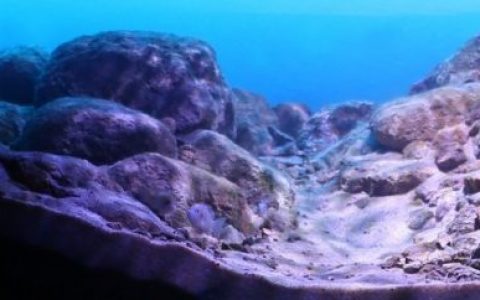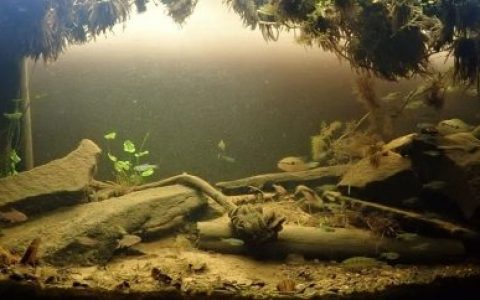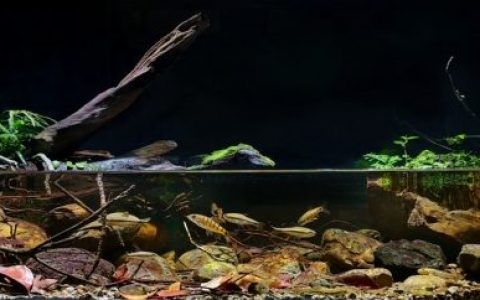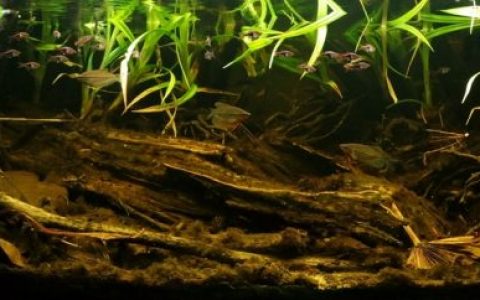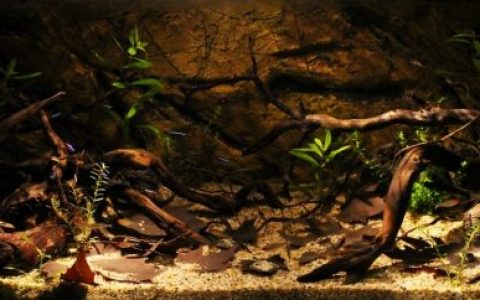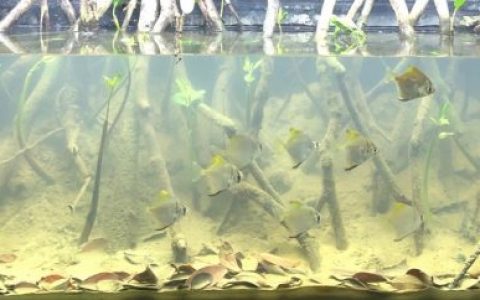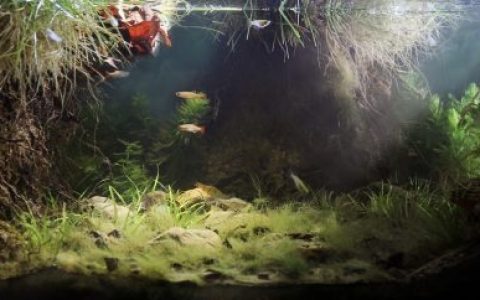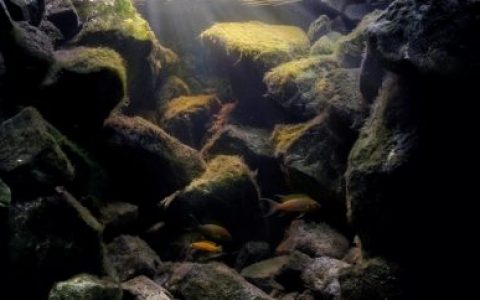
Volume: 160 L 容积:160 升
Dimensions: 100×40×40 cm 尺寸:100×40×40 厘米
List of fishes: barbodes binotatus, nemachilus faaciatus, crustacea, rasbora argyrotaenia, poecilia reticulata, sulcospira testudinaria
鱼类名录:Barbodes binotatus、Nemachilus faaciatus、甲壳类、Rasbora argyrotaenia、Poecilia reticulata、Sulcospira testudinaria
List of plants: imperata cylindrica, cyperus rotundus, ceratophillum demersum, ludwigia adscenden
植物列表:白茅(Imperata cylindrica)、香附子(Cyperus rotundus)、金鱼藻(Ceratophyllum demersum)、升序丁香蓼(Ludwigia adscendens)
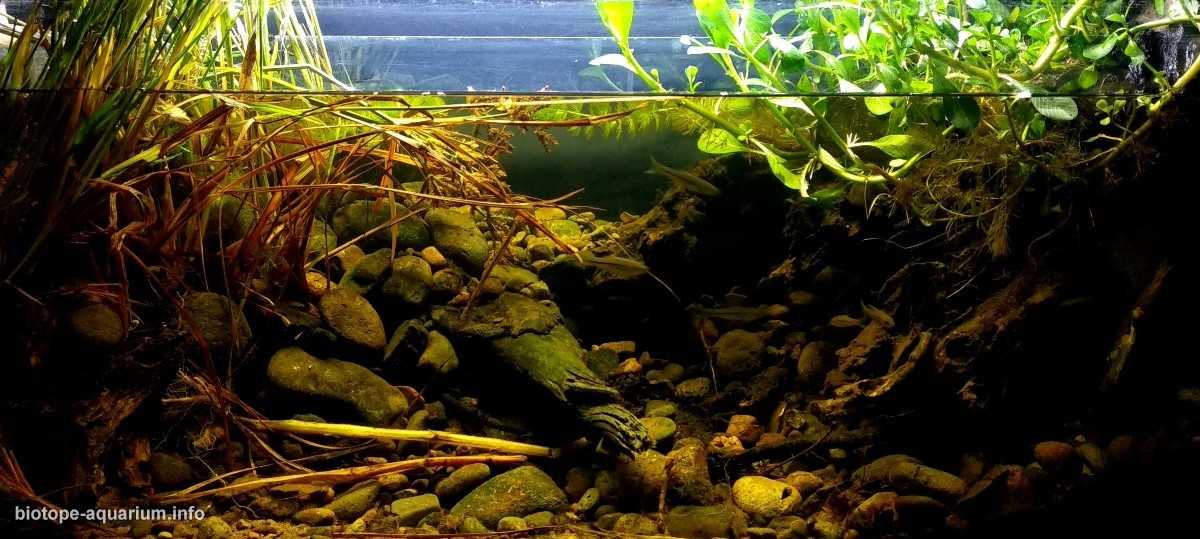
Description of decorations: the elements that I use such as wood, stone, sand in the biotope aquarium use material available on the outskirts of the progo river that I assembled into a work of the river’s artificial ecosystem
装饰说明:我在该生物群落水族箱中使用的沉木、石材和沙砾等材料,均取自普罗戈河(Progo River)沿岸,并将其组装成一个人工河流生态系统作品。
Description of equipment: aquarium uses an amara DIY canister filter filter system 1200L / h with biological filter media.
设备说明:水族箱采用 Amara DIY 筒式过滤系统,流量为 1200 升/小时,并配备生物滤材。
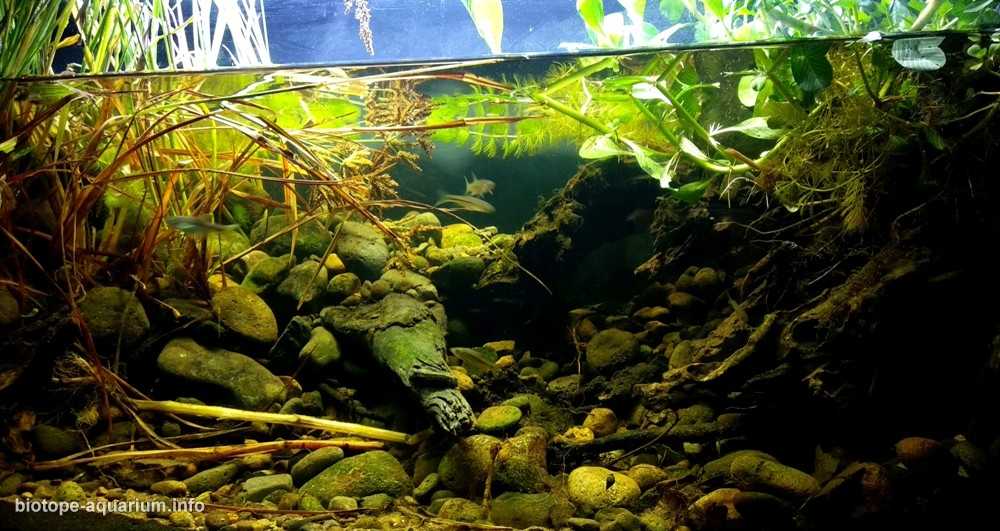
use the 6000 led strip lighting 6500K
照明采用 6000K 色温的 LED 灯带。
Water parameters: aquarium parameters with PH 7, temperature 25 ° c, DHL 230 and TDS 215
水质参数:水族箱参数为 pH 7,温度 25 °C,DHL 230,TDS 215。
Additional info: water aquarium is replaced by 40% every 2 weeks to keep the ecosystem awake and reduce ammonia from fish feces .
补充信息:每两周更换 40% 的水族箱用水,以维持生态系统活力并减少鱼类粪便产生的氨。
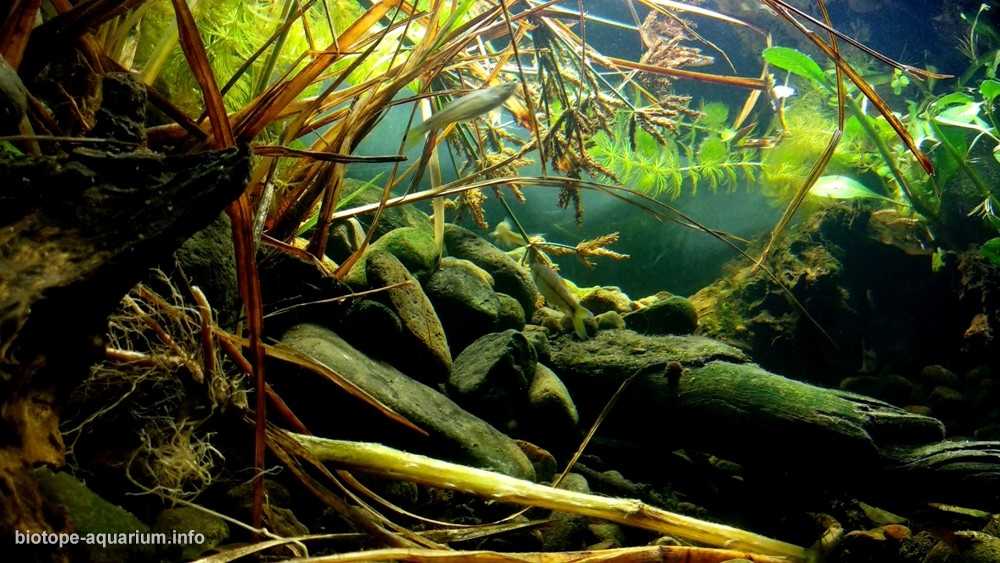
INFORMATION ABOUT BIOTOPE
关于生物群落的信息
Description of the area surrounding the biotope: The Progo river is sourced from the slopes of Mount Sundoro-Gunung Sumbing which cross to the southeast then south along 140 Km. in the Ngluwar District area, magelang regency. with coordinates -7,6658990, 110,2665075, Kali Progo dammed into two streams for irrigation facilities for the people of Yogyakarta by the Dutch. This dam is known as “Ancol Bligo” which is now a place for recreational residents. this one irrigation stream flows from Ngluwar to the east, divides Sleman Regency and goes to Klaten Regency and is known as the Mataram Gutter (or “Van Der Wijck Gutter”), while the other one flows in Kulonprogo Regency to survey the Menoreh Mountains valley. Kali Progo empties to the west of Kwaru Beach, on the south coast of Java.
生物群落周边环境描述:普罗戈河发源于孙多罗山 – 贡东山(Gunung Sumbing)山坡,向东南再向南流经 140 公里,途经马格朗县恩卢瓦尔区,坐标为 -7.6658990, 110.2665075。荷兰人曾将普罗戈河截流分为两条支流,作为日惹居民的灌溉设施。该水坝被称为”Ancol Bligo”,如今已成为当地居民的休闲场所。其中一条灌溉支流向东从恩卢瓦尔流出,分隔斯勒曼县并流入克拉滕县,被称为马塔拉姆沟渠(或“范德维克沟渠”);另一条则流经库隆普罗戈县,灌溉梅诺雷山脉山谷。普罗戈河最终在爪哇岛南岸的夸鲁海滩以西注入海洋。
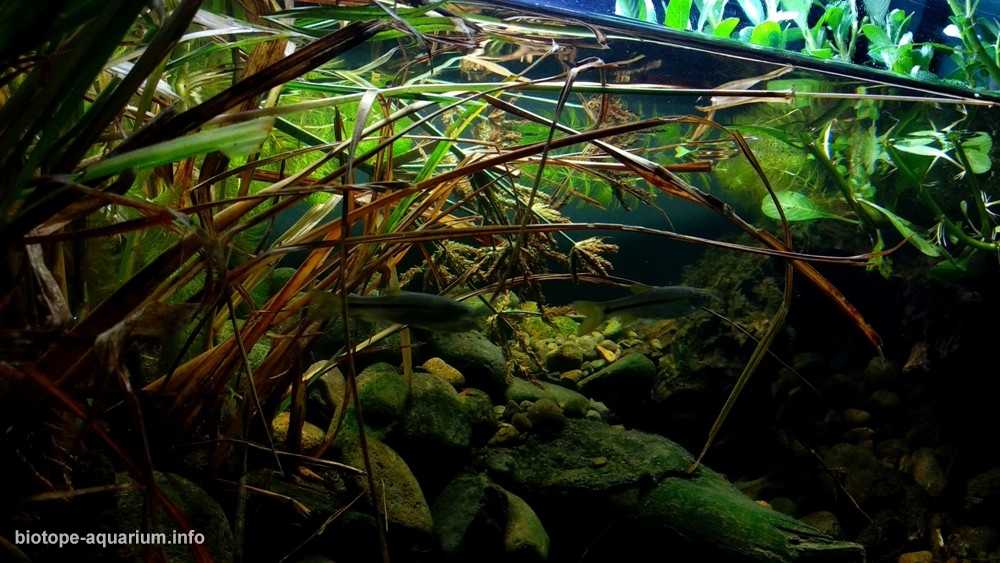
In the area around the estuary, sand mining is often found. Upstream, in the Magelang area, the river flow is utilized by fans of White Water Rafting to try out their abilities. in the lower Progo stream there are Kisik River Camp rafting operators and kayaks. there are also many young people who fish for their holidays. This river has thrilling rapids and stunning views along the river .
在河口周边地区,常可见到采砂活动。上游的马格朗(Magelang)区域,河流被白水漂流爱好者用来挑战自我。在普洛戈河(Progo)下游,设有 Kisik River Camp 漂流运营点并提供皮划艇服务。此外,许多年轻人也会在假期来此垂钓。这条河拥有惊险刺激的急流和沿岸令人叹为观止的美景。
Description of the underwater landscape of the biotope: This river flows in the southern region of the tropical island of Java (code: Am according to the Köppen-Geiger climate classification). water depth in the dry season from 40 – 300cm in its deepest part. The average annual temperature is around 24 ° C. the hottest month is January, with an average temperature of 27 ° C, and the coldest July, around 23 ° C. The average annual rainfall is 2970 mm. The month with the highest rainfall is January, with an average of 537 mm, and the lowest in September, averaging 22 mm .
生物群落水下景观描述:该河流位于热带岛屿爪哇岛南部(根据柯本 – 盖革气候分类法,气候代码为 Am)。旱季时,河水深度在最深处介于 40 至 300 厘米之间。年平均气温约为 24°C;最热的月份是一月,平均气温为 27°C;最冷的月份是七月,约为 23°C。年平均降雨量为 2970 毫米;降雨量最高的月份是一月,平均达 537 毫米,而最低的月份是九月,平均仅为 22 毫米。
Description of the parameters of the habitat: the water parameters in this river are stable with ph 7. the average temperature is 24 ° c. the flow is always heavy and increasingly heavy when the rainy season arrives
栖息地参数描述:该河流水质参数稳定,pH 值为 7,平均水温为 24°C。水流始终湍急,且在雨季来临时愈发汹涌。
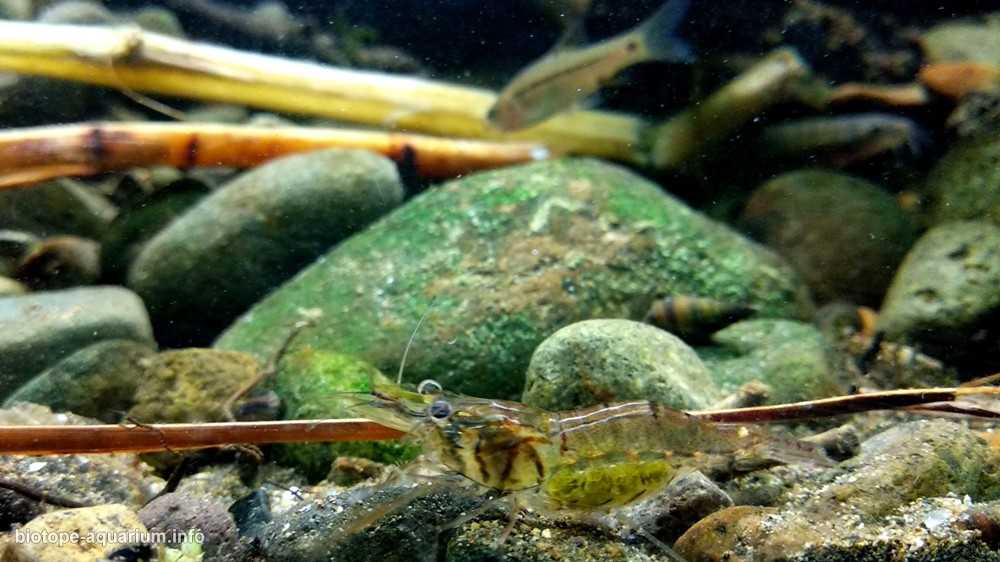
List of fishes and invertebrates occurring in the nature biotope: There are 3 species
该自然生境中出现的鱼类和无脊椎动物名录:共有 3 个物种
which are introduced fish, namely:
为引入鱼类,分别是:
Poecilia reticulata introduced from Venezuela, Xiphophorus helleri from Mexico and Oreochromis Mossambicus from Africa. Three species of fish introduced into
源自委内瑞拉的孔雀鱼(Poecilia reticulata)、源自墨西哥的剑尾鱼(Xiphophorus helleri)以及源自非洲的莫桑比克罗非鱼(Oreochromis mossambicus)。这三个鱼类物种因不同原因被引入
Indonesia for different reasons. Species
印度尼西亚。物种
Poecilia reticulata and Xiphophorus helleri as ornamental fish aquarium, it’s likely not accidentally released to river. Species
孔雀鱼(Poecilia reticulata)和剑尾鱼(Xiphophorus helleri)作为观赏鱼饲养于水族箱中,它们被意外释放到河流中的可能性不大。物种
Oreochromis Mossambicus enter
莫桑比克罗非鱼(Oreochromis mossambicus)作为替代性食用鱼类被引入
to Indonesia as an alternative food consumption,
印度尼西亚,
so deliberately kept in the pond, released into rivers, lakes or reservoirs to breed and get
因此被有意放养于池塘中,并释放到河流、湖泊或水库中进行繁殖和获取。
fishing. 钓鱼。
Barbodes binotatus, Mystacoleucus obtusirostris and Channa gachua is a local fish consumed and often lured by the surrounding community. Fish Barbodes binotatus, Poecilia reticulata and Xiphophorus helleri more common in shallow, calm and clear water, especially on the banks of rivers.
双斑魮(Barbodes binotatus)、钝吻小鳔鮈(Mystacoleucus obtusirostris)和线鳢(Channa gachua)是当地居民常食用并经常诱捕的鱼类。双斑魮(Barbodes binotatus)、孔雀鱼(Poecilia reticulata)和剑尾鱼(Xiphophorus helleri)更常见于浅水、平静且清澈的水域,尤其是河岸附近。
Barbodes binotatus and Xiphoporus helleri
双斑魮(Barbodes binotatus)和剑尾鱼(Xiphophorus helleri)
likes to swim in the middle of the water depth, whereas
喜欢在水体中层游动,而
Poecilia reticulata prefer to swim on the surface and more
孔雀鱼(Poecilia reticulata)更喜欢在水面附近游动,且
mend the banks of the river. Fish
修复河岸。鱼类
dermogenys pusilla more often found on the surface of the water that flows rather heavy, and these fish have a habit to swim against the water flow. Fish Mystacoleucus obtusirostris and Lepidocephalichthys hassel more common in deep and calm water, on a base
波鱼(Dermogenys pusilla)更常见于水流较急的水面,且这类鱼有逆水游动的习性。钝吻拟鲃(Mystacoleucus obtusirostris)和哈氏鳅(Lepidocephalichthys hassel)则多见于水深且平静的水域底部。
sandy river or land. How to escape this fish by pushing its tail on the sand of the river bed so that the water becomes cloudy and the fish can swim away safely.
沙质河流或陆地。这种鱼如何通过用尾巴搅动河床的沙子,使水变得浑浊,从而安全游走以躲避天敌。
Channa gachua found a lot
在干季的印度尼西亚中爪哇省普罗戈河郊区,大量发现月鳢
hiding between rocks / overdrafts at the bottom of the water,
它们藏身于水底的岩石缝隙或悬垂物之间,
both fast-flowing but shallow and deep
无论水流湍急但水浅或水深之处,
and calm with rocky riverbed.
还是水流平缓且河床多石的区域。
Channa gachua more often appear berakvitasitas on evening.
甘氏鳢更常在傍晚时分活跃。
there are also rasbora argyrotaenia, namachilus fasciatus, crustaceans, and many others
此外还有银线波鱼、带纹南鳅、甲壳类动物以及许多其他生物。
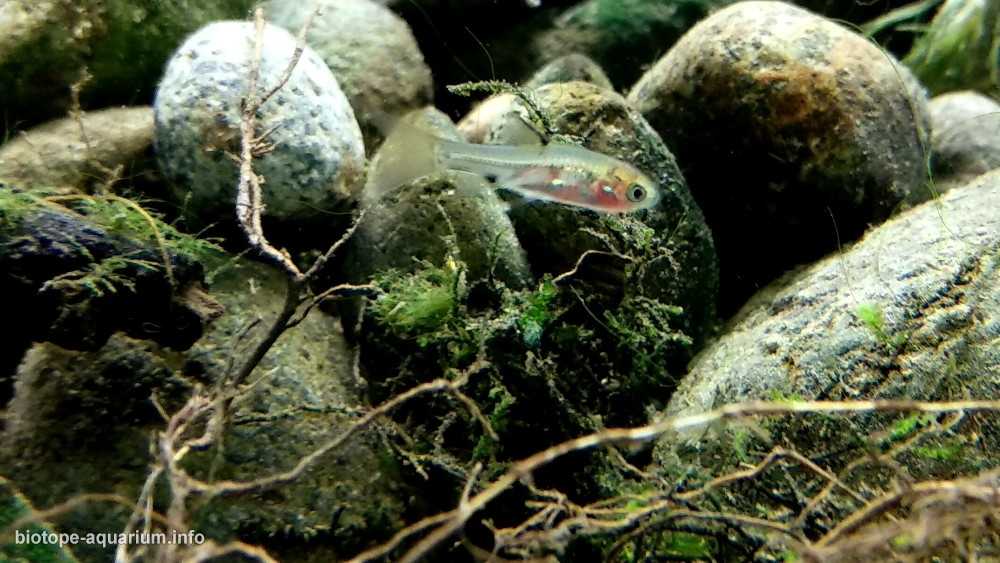
List of plants found in the nature biotope: some of the plants found on the banks of the Progo River include ludwigia adscenden, cyperus rotundus, ipomoea aquatica forsk, murdannia, marsilea, eichhornia crassipes, ceratophillum demersum, imperata cylindrica and many others found along the progo river flow
自然生境中发现的植物列表:在普洛戈河河岸发现的部分植物包括升龙草、香附子、空心菜、水竹叶、田字草、凤眼莲、金鱼藻、白茅,以及在普洛戈河流域沿岸发现的许多其他植物。
Threats to the ecology: The aquarium that I made was intended to make people aware of the importance of preserving natural beauty, especially the underwater river Progo habitat, and behaving well. now the quality of water has begun to decline due to excessive use of agricultural chemical drugs, factory waste disposal, and wastehousehold to the river. Excess chemical residues can cause damage to ecosystems and poisoned dead fish
生态面临的威胁:我制作这个水族箱旨在让人们意识到保护自然之美的重要性,尤其是普洛戈河的水下栖息地,并倡导良好行为。如今,由于农业化学药剂的过度使用、工厂废水排放以及生活垃圾倾倒入河,水质已开始下降。过量的化学残留物会破坏生态系统,导致鱼类中毒死亡。
本文部分素材来自网络,如有类似请联系修改,如若转载,请注明出处:http://www.yangyubang.com/?p=3053